

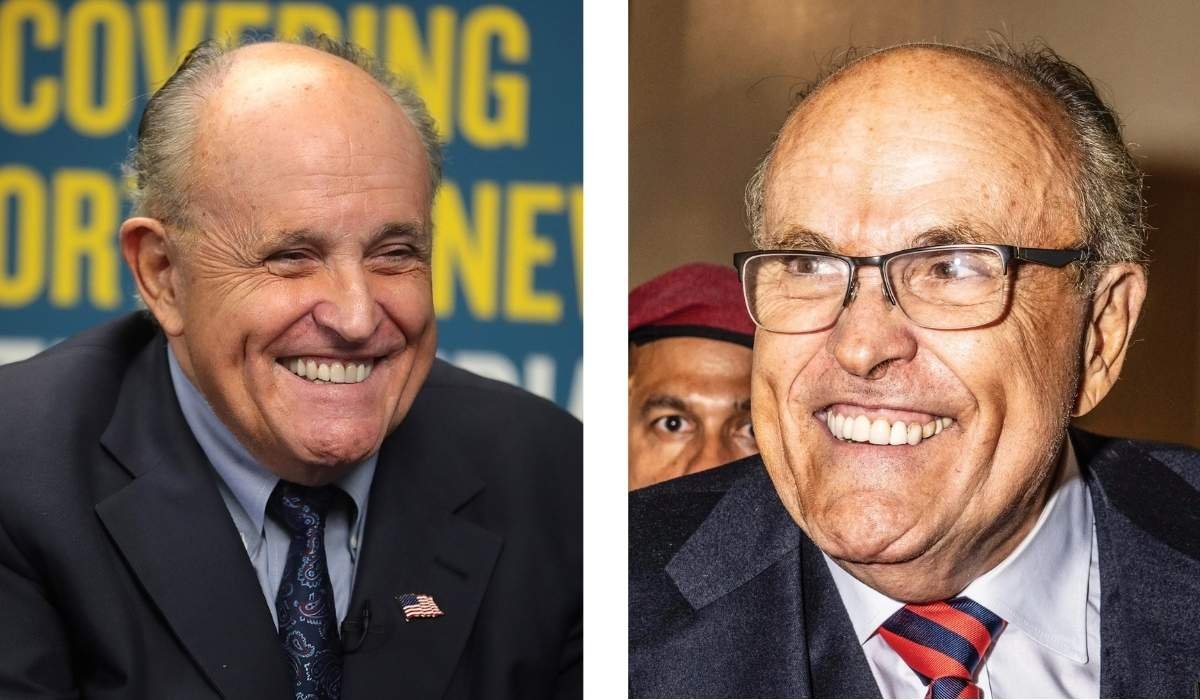
Rudolph William Louis Giuliani was born Rudy Giuliani on May 28, 1944, in Brooklyn, New York, to a family of Italian-American heritage. Growing up in a working-class environment, he developed a disciplined mindset that would eventually propel him toward a distinguished career in law and public service. He attended Bishop Loughlin Memorial High School before enrolling at Manhattan College. After graduation, he pursued his passion for justice at the Fordham University School of Law. It was during these formative years that he sharpened the skills necessary for complex litigation, setting the stage for his future role as a formidable prosecutor and national political figure.
Quick Bio
| Attribute | Detail |
| Full Name | Rudolph William Louis Giuliani |
| Birth Date | May 28, 1944 |
| Education | Fordham University School of Law |
| Known For | Mayor of NYC, Federal Prosecutor |
| Key Roles | U.S. Attorney, Mayor, Legal Advisor |
Joining the Department of Justice
After completing his law degree, Giuliani began his professional ascent within the United States Department of Justice. He quickly gained a reputation for being thorough, persistent, and unyielding when pursuing organized crime figures. His early work involved handling sensitive investigations that required both legal precision and tactical brilliance. During this time, he demonstrated an uncanny ability to navigate the intricacies of federal law, earning the respect of his superiors and peers alike. His tenure as a prosecutor was characterized by a commitment to upholding the rule of law, even when faced with significant pressure from powerful and entrenched criminal syndicates.
Prosecuting the Mob in New York
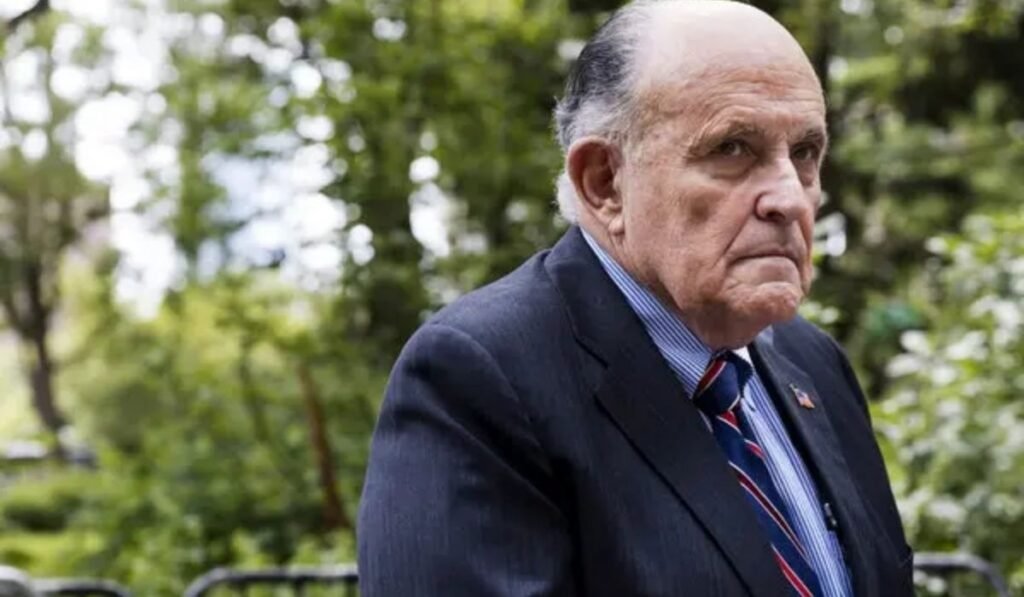
One of the most defining chapters of the professional career of Rudy Giuliani was his aggressive crackdown on the New York Mafia. As the United States Attorney for the Southern District of New York, he utilized the Racketeer Influenced and Corrupt Organizations Act to dismantle the powerful Five Families. By targeting the leadership structure of organized crime, he successfully orchestrated high-profile convictions that crippled the influence of mob bosses. His approach was groundbreaking, as he systematically dismantled the criminal infrastructure that had dominated the city for decades, ultimately changing the landscape of federal prosecution and law enforcement tactics against organized crime.
The Campaign for New York City Mayor
Transitioning from the courtroom to the political arena, Rudy Giuliani launched his campaign for Mayor of New York City with a vision focused on safety and economic reform. He sought to address the persistent crime rates that had plagued the city during the late 20th century. His platform emphasized a “zero tolerance” policy toward disorder, which resonated with a large segment of the population concerned about their safety. Despite facing fierce political opposition and skepticism from various sectors, his messaging remained consistent, focusing on restoration of civic order and professional management of municipal government services and public resources.
Serving as Mayor of New York
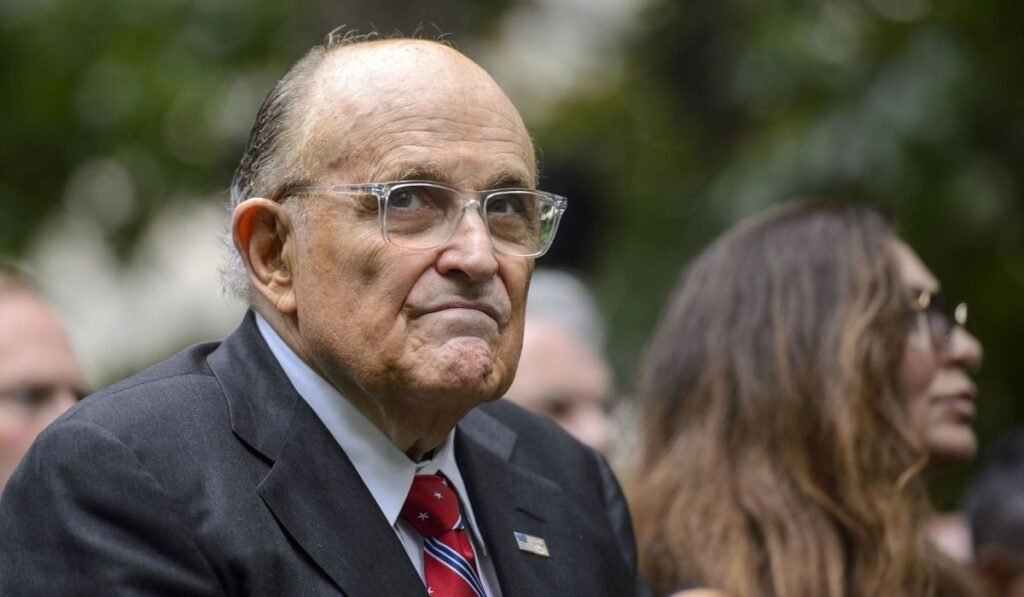
Upon winning the election, Rudy Giuliani served two terms as the mayor of New York City, implementing significant administrative changes. His administration focused heavily on improving public safety, which led to a notable decrease in major crime rates across the five boroughs. He also prioritized the revitalization of city infrastructure and the streamlining of municipal departments to ensure greater efficiency. While his tenure was marked by both significant successes and intense controversies regarding his governing style and approach to social issues, there is no doubt that his leadership fundamentally transformed the city’s atmosphere and its international reputation during the 1990s.
The Impact of Zero Tolerance Policing
The core of the Giuliani administration’s public safety strategy was the implementation of “zero tolerance” policing. This controversial but effective policy focused on addressing minor offenses to prevent the escalation of more serious criminal behavior. By increasing the presence of law enforcement officers and strictly enforcing local ordinances, the city aimed to restore order in neighborhoods that had previously suffered from neglect. Critics argued that the strategy disproportionately targeted minority communities and led to excessive use of force, while supporters credited it with making New York one of the safest major cities in the United States at the time.
Navigating Political Challenges
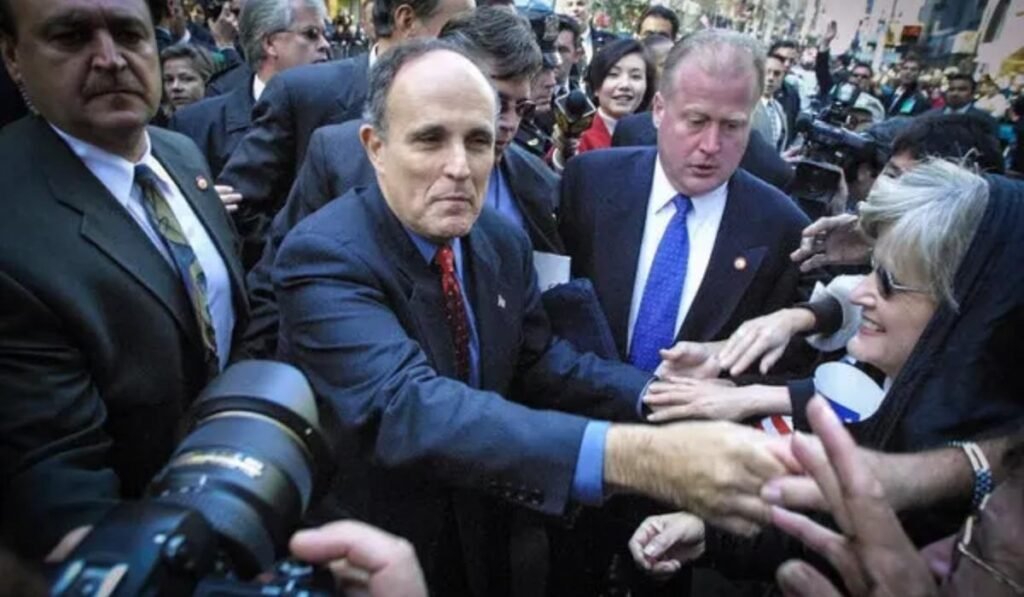
Throughout his time in office, Rudy Giuliani encountered numerous political hurdles that tested his leadership abilities. Managing a city as diverse and complex as New York required constant negotiation with city council members, unions, and community leaders. His sharp temperament and uncompromising stance on policy often led to high-profile public disputes, which were widely covered by the media. Despite the friction, he maintained a high level of confidence in his vision for the city. These challenges helped define his public persona as a tough, decisive executive who was willing to challenge the status quo to achieve his goals.
Leadership During the September 11 Crisis
The most iconic moment of the political life of Rudy Giuliani occurred during the terrorist attacks on September 11, 2001. As the mayor of a city under direct siege, he became a visible and reassuring leader for both New Yorkers and the entire nation. His response during the immediate aftermath of the attacks, which involved coordinating emergency services and providing clear public communications, earned him international acclaim. He was frequently seen at Ground Zero, overseeing the recovery efforts and comforting those who had lost loved ones. His performance during this period remains a central element of his enduring legacy.
Transitioning to the Private Sector
Following the end of his second term as mayor, Rudy Giuliani moved into the private sector, leveraging his background in law and crisis management. He founded a consultancy firm that provided strategic advice to corporations and government entities navigating complex operational or legal challenges. His experience in leadership roles allowed him to command high fees as a consultant and public speaker. During this transition, he also maintained his interest in national politics, briefly exploring a run for the U.S. Senate and later pursuing a bid for the Republican presidential nomination, which showcased his ongoing desire for public influence.
Presidential Ambitions and Republican Politics
In the years leading up to the 2008 presidential election, Rudy Giuliani was considered a front-runner for the Republican nomination. His campaign focused on his record as a crime-fighting mayor and his leadership during the national crisis of 2001. Although his campaign eventually lost momentum as the primary process unfolded, his participation highlighted his status as a major figure within the conservative movement. He continued to be a vocal participant in political discourse, supporting fellow Republican candidates and remaining a staunch defender of his own political philosophy and administrative record throughout various election cycles.
Legal Advocacy in the Trump Era
In later years, Rudy Giuliani returned to the national spotlight as a key legal advisor to President Donald Trump. He took on prominent roles in several high-profile legal matters, including the investigation into the 2016 election and the subsequent impeachment proceedings. His involvement in these matters often brought him into conflict with other legal professionals and political opponents, drawing significant media attention. His work as an attorney for the president demonstrated his continued willingness to engage in the most contentious political battles, often defending his client’s interests with the same tenacity he once applied as a federal prosecutor.
Challenges to Legal Credentials
The later stages of his career have been marked by significant professional challenges, including inquiries into his conduct by various state bar associations. These investigations have questioned his professional judgment and ethical standards in relation to his work on election-related litigation. The scrutiny surrounding his actions in Georgia and other states has led to disciplinary proceedings, which have fundamentally threatened his ability to continue practicing law. These developments have been viewed by his supporters as politically motivated attacks, while critics maintain that they are a necessary consequence of his actions during the contested post-election period.
The Role of Controversial Litigation
Rudy Giuliani has often been at the center of highly litigious efforts that challenge established political narratives. His approach to legal advocacy involves aggressive courtroom tactics and public media appearances designed to sway opinion as much as legal outcomes. This strategy has proven to be a double-edged sword, bringing him great success in the past but also leading to severe professional repercussions in the present. The controversy surrounding his recent work highlights the growing divide in the legal profession over the role of lawyers in supporting political agendas and the potential abuse of their institutional positions.
Public Perception and Media Presence
Throughout his career, the public perception of Rudy Giuliani has been deeply polarized. To some, he remains the hero of New York City who cleaned up the streets and stood tall during the city’s darkest hour. To others, he is a divisive figure whose policies and rhetoric have caused significant social harm. His constant presence on television and news networks has allowed him to shape his own narrative, though it has also made him an easy target for commentators and political opponents. This complex public image is a testament to his long-standing, often contentious, influence on American society.
Legacy in Urban Governance
The long-term impact of the mayoral years of Rudy Giuliani on urban governance is still being debated by scholars and policy makers. His emphasis on data-driven management and public safety has influenced how many other American cities approach law enforcement and urban revitalization. However, the social cost of his policies continues to be a subject of intense academic study. Whether he is viewed as a transformative reformer or an authoritarian executive, his influence on the way cities are governed in the 21st century cannot be denied. His administrative strategies remain a reference point for debates on modern urbanism.
Influence on Legal Professionalism
The career trajectory of Rudy Giuliani serves as a primary case study in the evolving role of the legal professional. His transition from a respected prosecutor to a polarizing political figure raises fundamental questions about the ethical boundaries of legal advocacy. The legal community continues to grapple with the tension between representing a client’s interests and upholding the integrity of the constitutional system. His life and work underscore the importance of self-regulation within the profession and the need for clear guidelines when lawyers are tasked with representing high-ranking government officials in sensitive political matters.
Personal Beliefs and Motivation
Understanding the motivations behind the actions of Rudy Giuliani often leads back to his deeply held belief in the necessity of order and authority. From his early days as a prosecutor to his tenure as mayor, his actions have been consistently driven by a belief that societyRudy Giuliani requires strong, uncompromising leadership to function properly. This worldview has provided him with the conviction to pursue his goals even in the face of widespread criticism. Whether in the courtroom or the political sphere, his drive to punish those he perceives as transgressors has been a constant feature of his personality.
Historical Perspective on a Tumultuous Career
As history continues to process the impact of his long career, Rudy Giuliani stands out as one of the most significant figures in modern American life. His path from a champion of the law to a controversial figure reflects the deep divisions that have characterized the political Rudy Giuliani landscape of the 21st century. His story is inextricably linked to the history of New York City and the wider national political evolution of the Republican Party. Future scholars will likely continue to analyze his impact on legal ethics, urban safety, and the intersection of law and politics for many decades.
The Future of Public Legacy
Looking toward the future, the legacy of Rudy Giuliani will likely be defined by the duality of his accomplishments and his controversies. While his early work as a prosecutor and his crisis leadership are historic benchmarks, the later years of his career have created a complex legacy that will be debated for generations. His trajectory reminds observers of the Rudy Giuliani precarious nature of public life and the lasting influence of political decisions. As more historical documents and research emerge, a clearer picture of his contributions will likely form, cementing his place in the annals of American political history.
FAQS
- What was the primary role of Rudy Giuliani in the 1990s?
- He served as the Mayor of New York City from 1994 to 2001, focusing on public safety and crime reduction.
- What legal strategy is he best known for from his time as a prosecutor?
- He is widely recognized for using the RICO Act to dismantle organized crime syndicates in New York City.
- How did his leadership on September 11, 2001, affect his public image?
- His visible and decisive response to the terrorist attacks earned him international acclaim as a strong leader during a time of crisis.
- Why has Rudy Giuliani faced potential disbarment in recent years?
- He has faced disciplinary inquiries regarding his legal advocacy and conduct related to the 2020 presidential election challenges.
- What does the term “zero tolerance” mean in the context of his administration?
- It refers to a policing policy that strictly enforces laws against minor offenses to prevent the development of more serious criminal behavior.
