

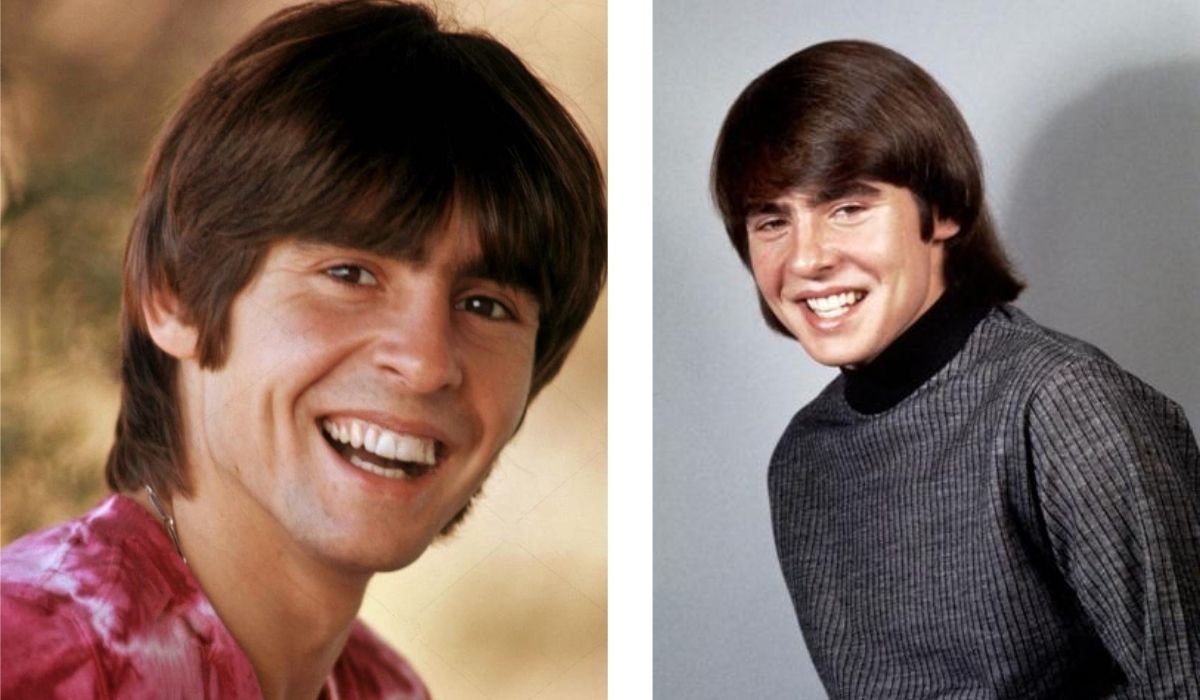
Davy Jones, the charismatic heartthrob of the 1960s pop phenomenon, left an indelible mark on music and television history. Born in Manchester, England, he rose to international fame as a member of the Monkees, a group carefully constructed for a hit television series. With his distinctive British charm, infectious energy, and undeniable stage presence, he captivated audiences across the globe. Beyond his role as a television star, he was an accomplished performer whose background in musical theater provided the foundation for his success. This article explores the life, career, and lasting influence of a man who defined an entire generation of teen pop.
Quick Bio
| Category | Details |
| Full Name | David Thomas Jones |
| Birth Date | December 30, 1945 |
| Birth Place | Manchester, England |
| Death Date | February 29, 2012 |
| Best Known For | Lead singer of The Monkees |
| Career Highlights | Tony-nominated actor, Teen Idol |
Early Life in Manchester
David Thomas Jones was born on December 30, 1945, in the Openshaw area of Manchester, England. Growing up in a working-class family, he faced significant challenges early on, including the loss of his mother at the age of fourteen. These formative years shaped his resilient spirit and drive to succeed. Before finding stardom, he had early aspirations of becoming a jockey, training under professional guidance. However, his natural talent for acting and singing eventually pulled him toward the entertainment industry, leading him to appear on British television long before he became an international sensation on American screens.
The Journey to Broadway
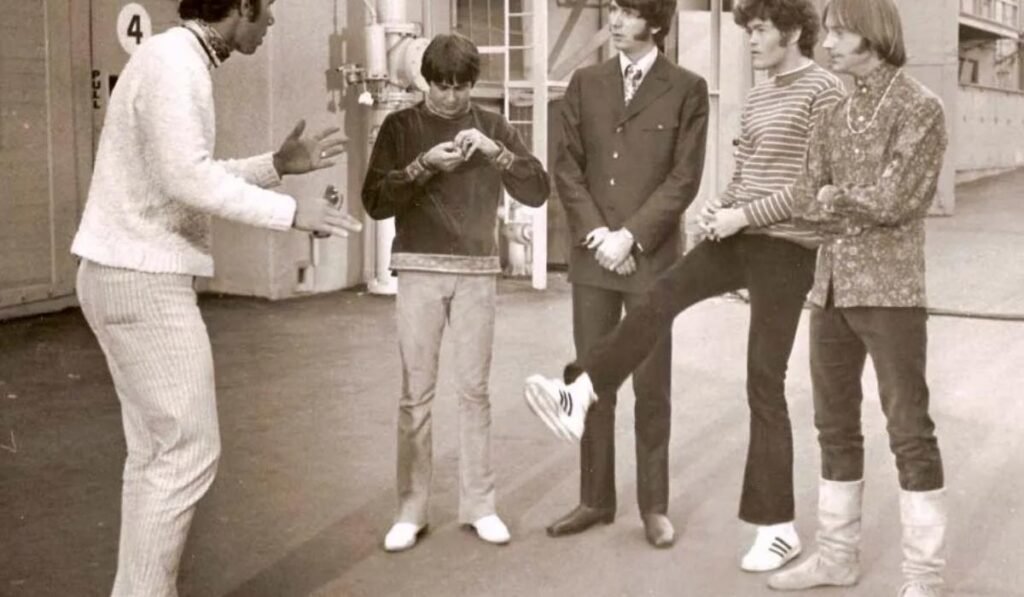
Before he was a household name, Davy Jones achieved significant critical acclaim on the stage. He famously played the Artful Dodger in the London and Broadway productions of the hit musical Oliver!. This role earned him a prestigious Tony Award nomination, cementing his reputation as a capable and talented young performer. His experience in live theater honed his vocal abilities and stagecraft, providing him with the professional tools he would later utilize to front one of the most successful bands of the decade. His transition from British theater to American television was a pivotal moment in his career.
Joining The Monkees
In the mid-1960s, producers Bob Rafelson and Bert Schneider sought to create a television show featuring a band modeled after the Beatles. Davy Jones was the first member selected for the group, and in many ways, the entire concept of the show was built around his unique charm and appeal. Alongside Micky Dolenz, Michael Nesmith, and Peter Tork, he formed the Monkees. The group became an overnight sensation, with the television series debuting in 1966. Despite the “manufactured” nature of the band, Jones quickly became the group’s most recognizable face, serving as the quintessential frontman and teenage heartthrob.
The Monkees Television Phenomenon
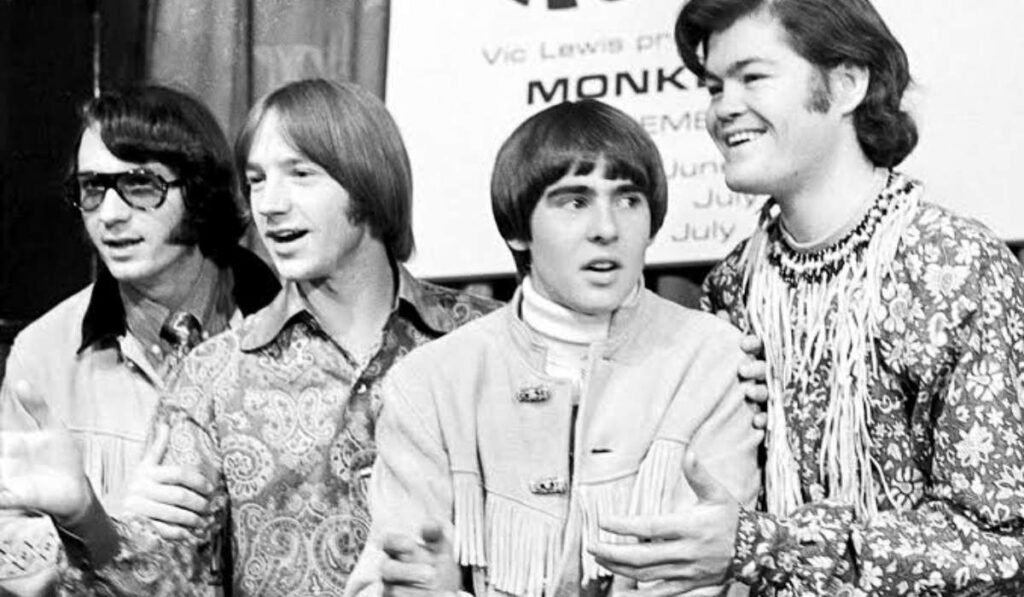
The television series itself was a cultural phenomenon that blended zany comedy with catchy, upbeat pop music. Each episode featured the band navigating comedic situations while performing songs that would eventually top the global charts. Davy Jones stood out for his wit, humor, and boyish good looks, which endeared him to millions of viewers. While critics at the time sometimes dismissed the group as the “Prefab Four,” the show’s immense popularity proved that they had struck a chord with the youth of the 1960s. His role on the program was instrumental in driving the show’s massive commercial success.
Musical Contributions and Hits
Although the group was initially criticized for using session musicians, the band members eventually fought for and gained creative control over their music. Davy Jones provided lead vocals for many of their most enduring hits, including the timeless classic “Daydream Believer.” Songs like “I’m a Believer” and “Valleri” became staples of radio and remain iconic examples of 1960s pop-rock. Jones’s clear, melodic voice was perfect for the genre, and his contributions helped the band achieve massive success, selling millions of albums and singles while consistently performing at the top of the popular music charts for years.
The Idolization of Davy Jones
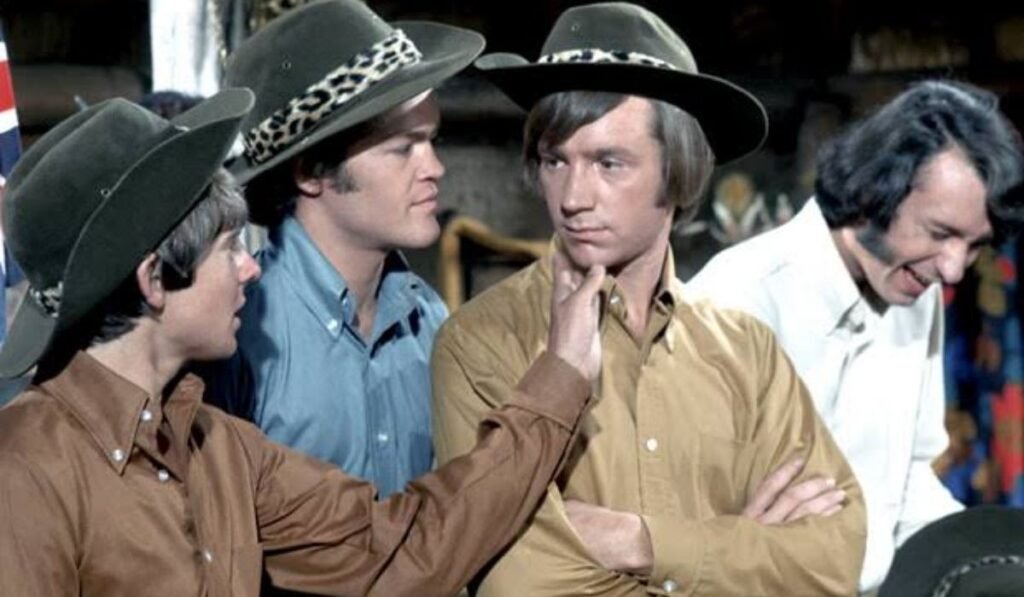
Davy Jones quickly became the definitive teen idol of the late 1960s. His influence was so profound that he inspired a generation of fans, with millions of young girls swooning over his every appearance. This level of adulation mirrored the “Beatlemania” that had gripped the world only a few years prior. He carried the weight of this fame with a sense of humor, often acknowledging the somewhat surreal nature of his sudden celebrity. As the face of the group, his image appeared on countless posters, lunchboxes, and magazines, permanently securing his status as a legendary cultural icon of the era.
Post-Monkees Solo Ventures
After the band dissolved in the late 1960s, Davy Jones did not stop performing. He transitioned into a solo career that saw him releasing several albums and singles. While he never quite reclaimed the massive commercial peak of his time with the group, he remained a working musician and actor. He explored various musical styles and continued to tour, often playing intimate venues for loyal fans who had followed him since his television days. His ability to adapt to changing times while staying true to his roots as a performer allowed him to maintain a steady and dedicated career.
Guest Appearances on Television
Throughout the 1970s and beyond, Davy Jones was a frequent guest on various television programs. One of his most memorable appearances occurred in a 1971 episode of The Brady Bunch, where he played himself as the dream date for Marcia Brady. This appearance became a hallmark moment in television history, further cementing his status as a beloved pop culture figure. He also appeared on shows like Boy Meets World and Sabrina, the Teenage Witch, often poking fun at his own fame. These cameos served to keep him in the public consciousness and reminded audiences of his enduring charm.
The Art of the Comeback
The history of the band is punctuated by several successful reunions. In the 1980s and 1990s, the group experienced a significant resurgence in popularity, fueled by nostalgia and the enduring appeal of their songs. Davy Jones was central to these reunions, often taking the stage with former bandmates to perform for thousands of devoted fans. These tours proved that the magic of their original run had not faded with time. His willingness to revisit his past and celebrate his time in the spotlight with his friends demonstrated his deep appreciation for the fans who supported him.
Passion for Horse Racing
Outside of his music and acting career, Davy Jones had a deep, lifelong passion for horses. He was an accomplished horseman and even pursued a brief career as a jockey in his youth. Later in life, he kept a stable of racehorses and became quite serious about the sport, riding in amateur races and training his own animals. This hobby provided him with a sense of balance away from the pressures of the entertainment industry. His dedication to horsemanship was a significant part of his identity, reflecting his hardworking nature and diverse range of personal interests.
Writing and Autobiography
Davy Jones shared his life story through his autobiographical works, most notably the book titled “They Made a Monkee Out of Me.” In these pages, he provided a candid look at his experiences, the highs and lows of sudden fame, and the realities of life as a pop star. He maintained a humorous and down-to-earth perspective, often referring to his books with a wink to his readers. These writings serve as a valuable historical record, allowing fans to understand the person behind the public image. His honesty helped bridge the gap between the idol and the average person.
The Legacy of the Monkees
The legacy of the group extends far beyond their initial television run. They paved the way for future manufactured bands and reality television stars, demonstrating the power of visual media in music promotion. Davy Jones remains a central figure in this narrative, remembered for his unique contribution to the sound and style of the 1960s. His influence is still felt in contemporary music and pop culture, where the template he helped establish continues to be studied and emulated. He is remembered not just as a singer, but as a pioneer of the modern music television age.
Remembering the Iconic Frontman
The passing of Davy Jones in 2012 was met with an outpouring of grief from fans around the world. Tributes poured in from musicians, actors, and admirers who had been touched by his music and personality. He was remembered as a kind, generous, and hardworking man who loved to entertain and interact with his audience. His death marked the end of an era for many who had grown up watching his antics on the television screen. However, his music continues to live on, providing comfort and joy to new generations of fans who continue to discover his immense talent.
Influence on Modern Pop Culture
The impact of Davy Jones and his bandmates on modern pop culture cannot be overstated. From the way musicians are marketed to the integration of music and comedy on screen, his fingerprints are everywhere. Many modern artists cite the group as an early influence, recognizing the quality of their songwriting and the charm of their performances. He remains a symbol of an era defined by optimism and pop innovation. His ability to connect with people on a personal level ensured that he remained a beloved figure, long after the height of his original television fame had passed.
Charitable Work and Community
Throughout his life, Davy Jones was known for his generous spirit and commitment to charitable causes. He often lent his time and resources to raise awareness and funds for various organizations, including those supporting health initiatives. His approach to charity was consistent with his overall character: humble, engaged, and always willing to help those in need. Whether he was participating in sporting events for charity or simply meeting fans at events, his presence was always marked by a sense of genuine connection and kindness that endeared him to everyone he encountered.
Musical Evolution and Style
While he was best known for his pop-rock work, Davy Jones was a versatile musician who explored many different styles during his career. Whether he was singing ballads, performing show tunes, or rocking out with his band, he always brought a high level of professionalism to his craft. His ability to interpret songs and make them his own was one of his greatest strengths as a singer. He was constantly evolving, looking for new ways to express himself and connect with his audience, ensuring that his music remained relevant and vibrant throughout his long and storied life.
The Enduring Popularity of the Songs
Decades after their release, the music recorded by the group continues to find an audience. Streaming services and radio play keep tracks like “Daydream Believer” alive, introducing them to young listeners who were not alive during the 1960s. This enduring popularity is a testament to the quality of the production and the timeless nature of the melodies. Davy Jones’s voice, characterized by its warmth and sincerity, remains the heart of these songs. He continues to be a vital part of the musical landscape, his legacy preserved through the millions of records and streams that keep his memory alive.
Conclusion and Final Reflections
Davy Jones was a multifaceted talent whose life and career left an indelible mark on the world of entertainment. As a singer, actor, and performer, he brought joy to millions of people and defined the sound and style of a generation. His journey from a young boy in Manchester to an international superstar is a classic story of talent, hard work, and the unpredictable nature of fame. He will always be remembered for his charisma, his humor, and the songs that continue to resonate with listeners. For more detailed information on his life and works, you can explore the Davy Jones biography.
FAQs
- Was Davy Jones the only British member of the band?
- Yes, he was the only British-born member, while the other three were American.
- Did the members actually play their instruments on their records?
- While session musicians played on early recordings, the members eventually gained control and played their own instruments.
- What is considered the most famous song by the group?
- “I’m a Believer” and “Daydream Believer” are widely considered their most iconic and requested hits.
- Did he continue acting after the show ended?
- Yes, he made numerous guest appearances on various television shows and performed in various stage productions.
- How did Davy Jones die?
- He passed away on February 29, 2012, due to a heart attack.
