

Knowing how to check transmission fluid is a vital skill for every car owner who values the longevity and reliability of their vehicle. The transmission is one of the most complex and expensive components of your car, responsible for transferring power from the engine to the wheels. When the fluid level is low or the quality has degraded, the system struggles to lubricate moving parts, leading to increased friction, overheating, and potential failure. By learning how to monitor this essential fluid, you can prevent costly mechanical issues, improve fuel efficiency, and ensure that your gear shifts remain seamless during daily operation.
| Feature | Details |
| Primary Task | Monitor transmission fluid levels and condition |
| Tools Required | Clean rag, funnel (if adding fluid) |
| Frequency | Recommended monthly or per owner’s manual |
| Fluid Color | Typically clear to reddish-pink |
| Key Indicator | Burnt smell or dark color suggests replacement |
Why Transmission Fluid Is Vital
Transmission fluid acts as the lifeblood of your vehicle’s drivetrain, performing several critical functions simultaneously. It provides necessary lubrication to reduce friction between moving gears, acts as a hydraulic medium to facilitate smooth shifting, and serves as a coolant to dissipate heat generated during operation. Without clean and properly leveled fluid, internal components can suffer from severe wear and tear, leading to sluggish gear changes or catastrophic failure. Understanding how to check transmission fluid ensures that this vital lubricant remains in optimal condition, effectively protecting your investment and preventing the need for major, high-cost repairs down the road.
Preparing to Check Your Fluid
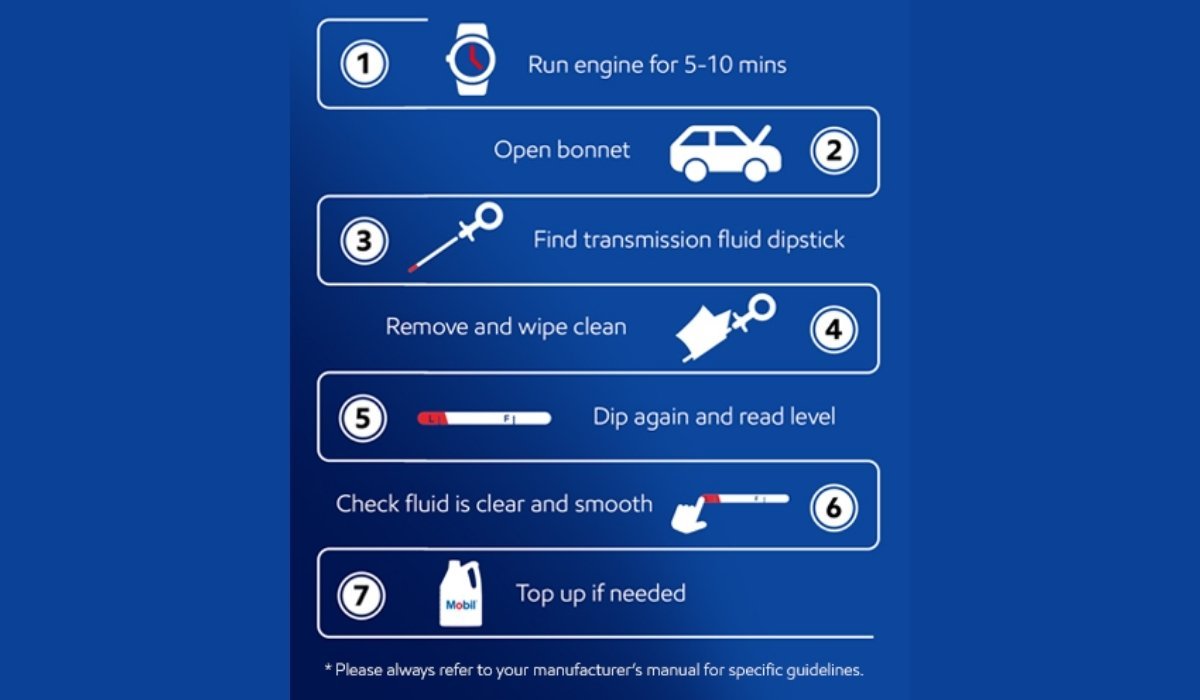
Before you begin, ensure your vehicle is parked on a level surface, as an uneven ground can lead to an inaccurate reading of the fluid level. Most manufacturers recommend that the engine be warmed up to operating temperature, as fluid expands when heated. Turn the engine on and let it idle for a few minutes, cycling through the gears from “Park” to “Drive” and back to “Park.” This ensures the fluid is distributed properly through the transmission system. Always consult your owner’s manual first, as it will provide specific instructions tailored to your vehicle’s make and model.
Locating the Transmission Dipstick
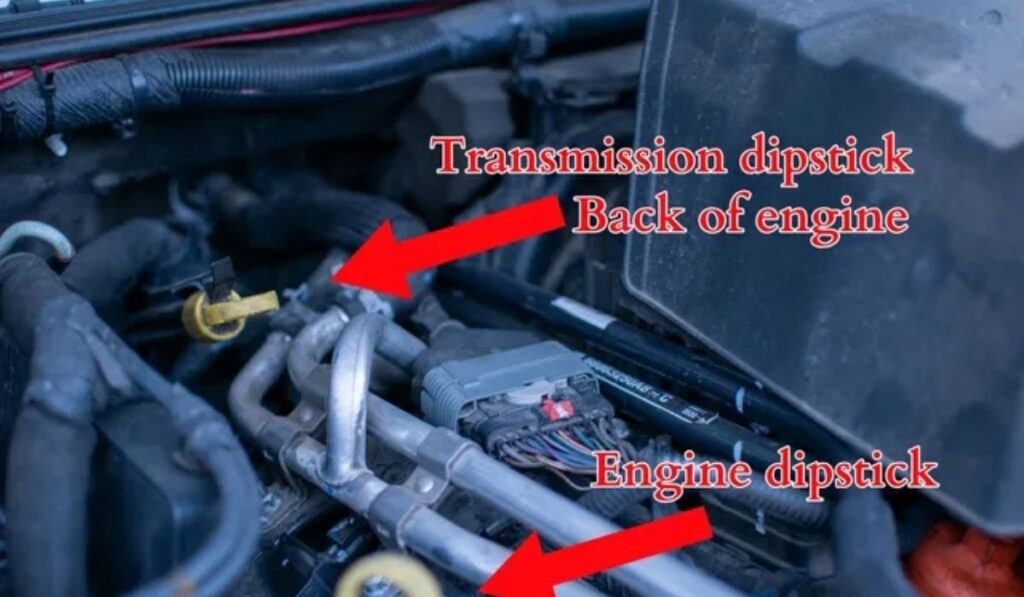
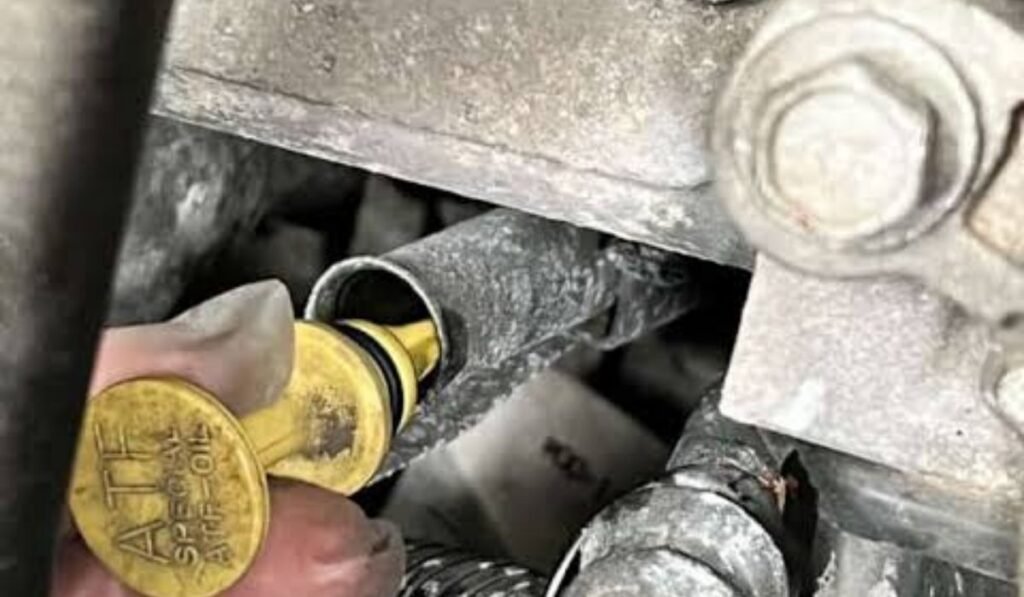
On many front-wheel-drive vehicles, you can locate the transmission dipstick under the hood, usually situated to the right of the engine oil dipstick. It often features a handle that is a different color, such as red or yellow, to distinguish it from other maintenance points. If you are struggling to find it, refer to the diagram in your owner’s manual. Note that some vehicles do not have a dipstick at all; these are known as “sealed transmissions.” If your vehicle lacks a dipstick, do not attempt to force one in or open the unit, as this requires professional maintenance.
Understanding Sealed Transmissions
If your car is equipped with a sealed transmission, it means the manufacturer has designed the unit without an accessible dipstick for owners to check levels. While this can seem frustrating, the purpose is to prevent contamination and limit fluid waste, as these systems are designed to operate for thousands of miles. If you suspect a leak or notice issues like hesitation in shifting, you should take your vehicle to a service center. Attempting to open a sealed unit without proper training or equipment can cause significant damage to the delicate internal components, leading to expensive repair bills.
The Correct Way to Read the Dipstick
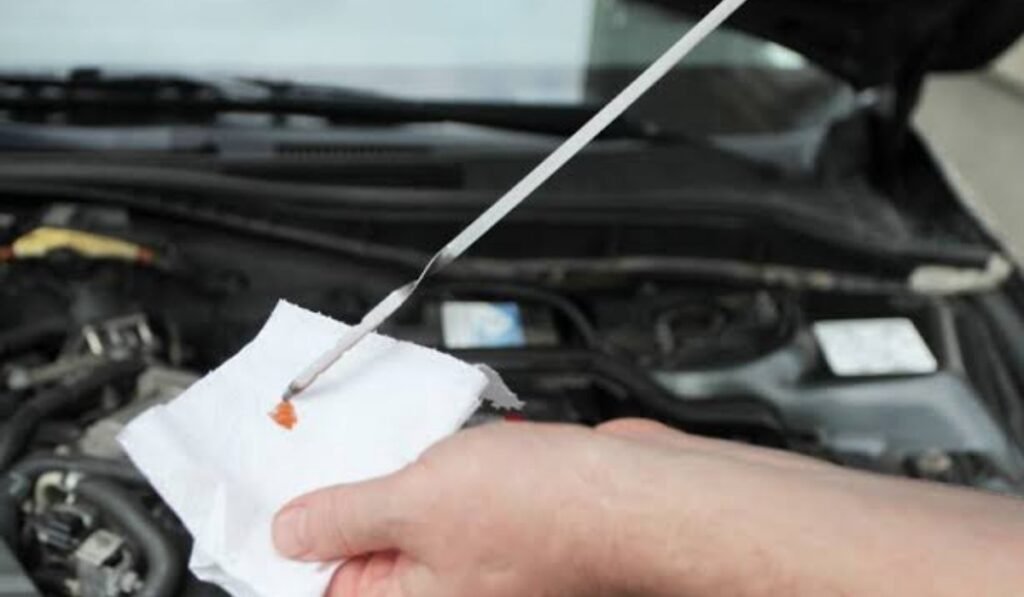
Once you have located the dipstick, pull it out carefully and wipe it clean with a lint-free rag. Reinsert the dipstick fully into the reservoir and pull it out a second time to get an accurate reading. Look at the markings on the end—usually labeled “Full” or a “Cross-Hatched” area. The fluid level should fall squarely within the designated zone. If the level is below the minimum mark, you likely need to add fluid. If it is significantly above the “Full” line, you might have overfilled it, which can cause internal foaming and damage the transmission.
Evaluating Fluid Color and Quality
Aside from checking the level, the appearance and smell of the fluid are critical. Healthy transmission fluid is typically clear with a distinct reddish-pink hue. If the fluid on your rag appears dark brown or black, this is a sign of oxidation, indicating it has broken down due to high heat and needs immediate replacement. Furthermore, if you detect a “burnt” or acrid smell, it suggests that internal clutches or bands may be overheating. In such cases, checking the level is not enough; you should schedule a full inspection with a professional mechanic as soon as possible.
What to Do If Levels Are Low
If your transmission fluid level is consistently low, it is a clear indicator that you have a leak somewhere in the system. While you can use a clean funnel to top off the fluid to the “Full” mark, this is merely a temporary fix. You must locate the source of the leak, which could be a damaged gasket, a loose seal, or a cracked line. Continually adding fluid without fixing the leak is dangerous, as it allows contaminants to enter the system and doesn’t address the underlying mechanical failure that will eventually worsen over time.
Choosing the Right Transmission Fluid
Not all transmission fluids are created equal, and using the wrong type can cause serious damage to your transmission. Always refer to your owner’s manual to see the specific fluid specification recommended by the manufacturer. Whether your vehicle requires a synthetic or conventional formula, or a specific brand standard like Dexron or Mercon, following these guidelines is non-negotiable. Using the incorrect viscosity or frictional properties can cause gear slipping, harsh shifting, or complete transmission failure. When in doubt, buy the exact fluid recommended by the manufacturer from your local dealership or a reputable auto parts store.
Avoiding Overfilling the Transmission
Overfilling the transmission is just as detrimental as having low fluid levels. Excess fluid causes the transmission gears to “whip” the liquid into a foam, which interferes with the hydraulic pressure needed for smooth shifting. Foamy fluid does not lubricate or cool properly, leading to internal overheating. If you accidentally overfill the unit, use a fluid extractor to remove the excess until it reaches the correct mark. A small amount of patience when adding fluid—poured in small increments—is far better than the risk of having to drain the entire system because of a mistake.
Signs of Transmission Fluid Issues
Being aware of the early warning signs of low fluid can save you from a major breakdown. If you notice a hesitation when shifting from “Park” to “Drive,” or if your gears seem to “slip” or jump while you are accelerating, these are red flags. Unusual noises, such as whining or clunking, often indicate that the internal gears are grinding against each other due to a lack of lubrication. If your “Check Engine” light illuminates, it may also be triggered by a transmission sensor detecting incorrect fluid pressures or temperatures during operation.
Benefits of Regular Fluid Changes
Regularly changing your transmission fluid offers benefits that extend far beyond preventing mechanical issues. Fresh fluid improves fuel efficiency by reducing drag within the transmission, allowing the engine to work less. It also extends the lifespan of the system by preventing the accumulation of sludge and varnish that clog narrow oil passages. A well-maintained transmission ensures a smoother driving experience, with seamless gear changes that go largely unnoticed by the driver. Proactive maintenance is a simple way to protect your vehicle’s performance and ensure it remains reliable for years to come.
Manual vs. Automatic Transmission Checks
It is important to understand that checking a manual transmission often differs significantly from an automatic. While many modern manual vehicles use automatic transmission fluid, others require specific gear oils with higher viscosities. Additionally, manual transmissions often lack a dipstick, requiring you to remove a “fill plug” on the side of the gearbox and check if the fluid level is even with the hole. This can be more difficult to access without a jack or lift, so if you are not comfortable working underneath your vehicle, it is best to leave this task to professionals.
Understanding Fluid Viscosity
Viscosity refers to the fluid’s resistance to flow and is a critical factor in transmission performance. Automatic transmission fluid is generally thinner, designed to flow rapidly through complex valve bodies and engage clutch packs instantly. Manual transmission fluid, conversely, tends to be thicker to develop a durable film on gear teeth and protect brass synchronizers. If the viscosity is too high, you might experience stiff shifting until the car warms up. If it is too low, the fluid may not provide adequate wear protection. Always trust the manufacturer’s specification to maintain the correct viscosity for your vehicle’s components.
The Role of Heat in Fluid Breakdown
Heat is the greatest enemy of any transmission fluid. As the transmission operates, the constant friction of metal parts and the engagement of clutches generate significant thermal energy. Over time, this heat causes the fluid to oxidize, leading to the formation of sludge and varnish. This process is accelerated by heavy towing, driving in mountainous terrain, or sitting in heavy, stop-and-go traffic for long periods. If your driving style involves these demanding conditions, you should check your transmission fluid more frequently and consider changing it at shorter intervals to account for the increased stress.
Safety Precautions for Home Maintenance
When performing any maintenance, safety must come first. Never work on a vehicle that is not properly supported. If you need to raise the car to access a drain or fill plug, always use jack stands and never rely on a hydraulic jack alone. Wear gloves and eye protection, as transmission fluid can be irritating to the skin and eyes. If you spill any fluid on the driveway or garage floor, clean it up immediately with an absorbent material, as it can be slippery and hazardous to both humans and the local environment.
When to Seek Professional Help
While learning how to check transmission fluid is a great DIY skill, there are times when professional expertise is necessary. If you find metal shavings on your dipstick, notice a persistent leak that you cannot locate, or if the fluid smells strongly of burning despite a full level, do not delay a trip to the mechanic. These are signs of advanced internal wear that fluid topping-off cannot fix. A professional can perform a diagnostic test, check for fault codes in the transmission control module, and ensure your vehicle remains safe and roadworthy.
Keeping a Maintenance Log
Consistency is key to effective car maintenance. Keep a small logbook or use a digital app to record the date and mileage every time you check your transmission fluid. This allows you to track patterns over time, such as a slow loss of fluid that might otherwise go unnoticed. Having a clear record of your maintenance history is also an excellent selling point if you ever decide to trade in or sell your vehicle. It demonstrates to future buyers that the car was owned by someone who cared about long-term mechanical health and followed routine service intervals.
The Future of Transmission Monitoring
Modern vehicles are increasingly using sensors to monitor fluid health and level electronically. Some trucks and performance cars allow you to view the fluid level directly on the dashboard’s driver information screen. While these systems make maintenance easier, they do not replace the need for the occasional manual check or inspection for leaks. As technology advances, the reliability of these systems continues to improve, but the basic principle remains the same: the transmission is a mechanical device that requires high-quality fluid to operate correctly, and you are the first line of defense in ensuring that happens.
Common Myths About Transmission Fluid
One common myth is that transmission fluid never needs to be changed and will last the life of the vehicle. This is rarely true in real-world driving conditions, where extreme heat and stop-and-go driving cause fluid to break down long before the vehicle reaches the end of its life. Another myth is that you can mix different types of transmission fluid as long as they are both “red.” Always stick to the specific requirements in your owner’s manual. Mixing different chemical additives can lead to foaming or reduced lubrication, which can cause significant damage to your transmission system over time.
Summary of Best Practices
To summarize, maintaining your transmission system is a straightforward process that rewards you with better performance and fewer repairs. Start by checking your fluid regularly, paying close attention to both the level and the quality. Always use the manufacturer-recommended fluid, and never overfill the reservoir. If you notice any signs of leaks or abnormal shifting behavior, address them promptly. By following these simple steps and keeping your maintenance log updated, you can ensure that your vehicle provides reliable service for many years.
FAQs
- How often should I check my transmission fluid?
- It is generally recommended to check your transmission fluid at least once a month or whenever you check your engine oil.
- What does it mean if my transmission fluid is dark brown or black?
- Dark or black fluid indicates that the fluid has been exposed to extreme heat and has broken down, meaning it is no longer lubricating or cooling effectively and needs to be changed.
- Can I add any type of transmission fluid if I am low?
- No, you must use the exact fluid specified in your owner’s manual, as using the wrong type can cause gear slipping, overheating, and permanent damage.
- What are the signs of low transmission fluid?
- Common signs include delayed engagement when shifting, slipping gears while driving, whining noises from the transmission area, and hard or erratic gear shifts.
- What should I do if my car has a sealed transmission?
- Do not attempt to check or add fluid yourself, as these systems require specialized equipment; instead, take your vehicle to a certified service center for an inspection.
