

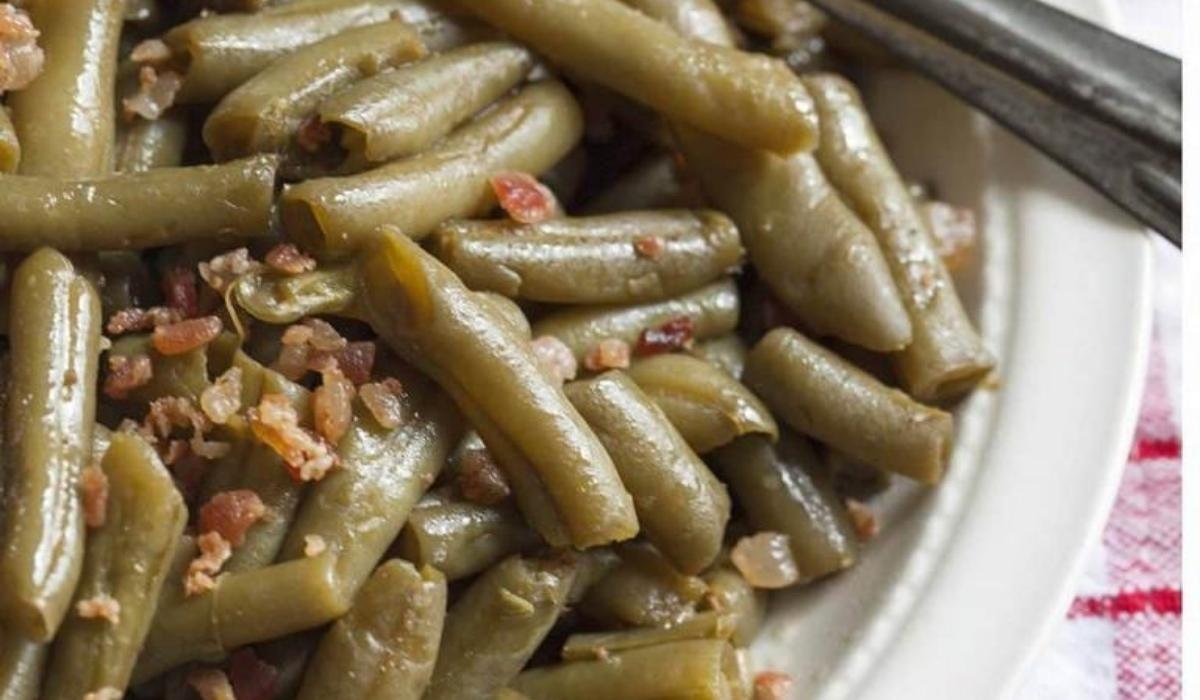
Canned green beans are a staple in many pantries due to their convenience, affordability, and long shelf life. However, a common complaint is that they can often taste dull or have a mushy texture compared to fresh produce. Fortunately, with the right techniques, you can easily revitalize these humble vegetables. Whether you are aiming for a classic Southern-style side dish or a quick, healthy weeknight accompaniment, learning how to make canned green beans taste good is all about balancing fats, acidity, and aromatic seasonings to create a vibrant, flavorful experience that will delight your family.
| Feature | Details |
| Primary Goal | Make canned green beans taste good |
| Core Technique | Simmering to evaporate canning liquid |
| Essential Fats | Bacon grease, butter, or olive oil |
| Flavor Boosters | Fresh garlic, onion, and chicken bouillon |
| Balancing Agent | Acid (lemon juice or vinegar) |
The Importance of Draining and Rinsing
To make canned green beans taste good, your first step should often be addressing the canning liquid. This brine can sometimes have a metallic or overly salty flavor that detracts from the vegetable’s natural taste. If you are sensitive to sodium, drain the can and rinse the beans thoroughly under cold water for 10–15 seconds. Alternatively, if you want to retain some of that deep flavor for a specific recipe, you can reserve half the liquid and discard the rest, which helps reduce the overall salt content while still providing a base for simmering.
Mastering the Simmering Technique
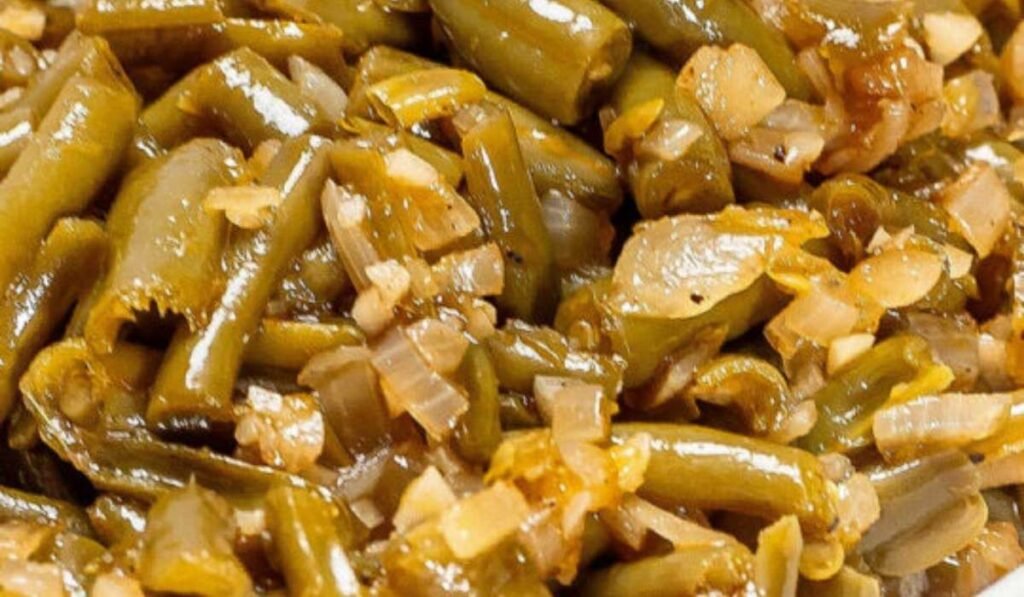
A crucial secret to make canned green beans taste good is the “evaporation method.” Instead of just heating them up, place the drained or partially drained beans in a wide skillet and simmer them uncovered. Make Canned Green Beans Taste Good This allows the liquid to reduce and concentrate the flavors of your added seasonings. When the liquid has almost completely evaporated, the beans will begin to sauté slightly in the remaining fats, which improves their texture and gives them a more “slow-cooked” quality that tastes significantly fresher and more intentional than simple boiled beans.
The Power of Fat for Richness
Adding fat is perhaps the most effective way to make canned green beans taste good because it improves both flavor and mouthfeel. Butter, olive oil, and bacon grease are excellent choices. For a classic, indulgent flavor, sauté diced bacon until crispy and then cook the beans in the rendered fat. If you prefer a lighter profile, a tablespoon of high-quality butter or olive oil provides a silky coating that marries all the seasonings together, elevating the dish from a simple pantry item to a rich, satisfying side that pairs perfectly with any main course.
Infusing Flavor with Aromatics
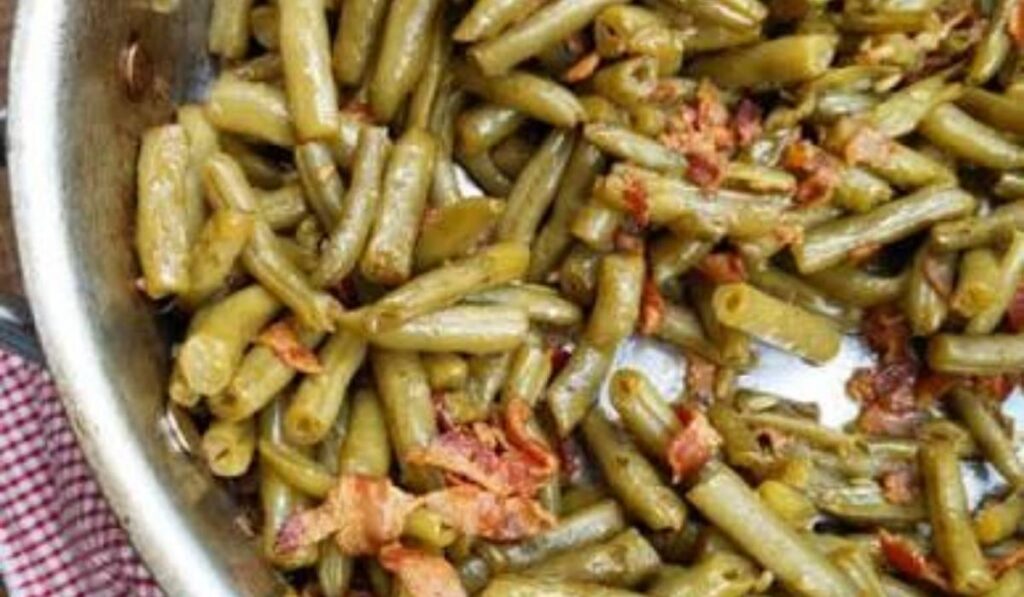
Fresh aromatics can instantly make canned green beans taste good by adding depth and complexity. Sautéing diced onions and minced garlic in your chosen fat before adding the beans creates a fragrant foundation. If you do not have fresh ingredients on hand, high-quality onion powder and garlic powder are fantastic alternatives that still pack a punch. Adding these early in the process ensures their flavors penetrate the beans as they simmer, resulting in a side dish that smells as amazing as it tastes, mimicking the quality of professional cooking.
Using Bouillon for Deep Savory Notes
For a robust, restaurant-quality taste, try using beef or chicken bouillon to make canned green beans taste good. A teaspoon of bouillon paste, such as Better Than Bouillon, stirred into the skillet provides an immediate umami boost that mimics the depth of a long-simmered stew. This is particularly effective if you are not using meat like bacon. Be mindful of the salt content in the bouillon, as it can be quite potent; start with a small amount and taste your beans before deciding if any additional salt is truly necessary.
Balancing Flavors with a Splash of Acid
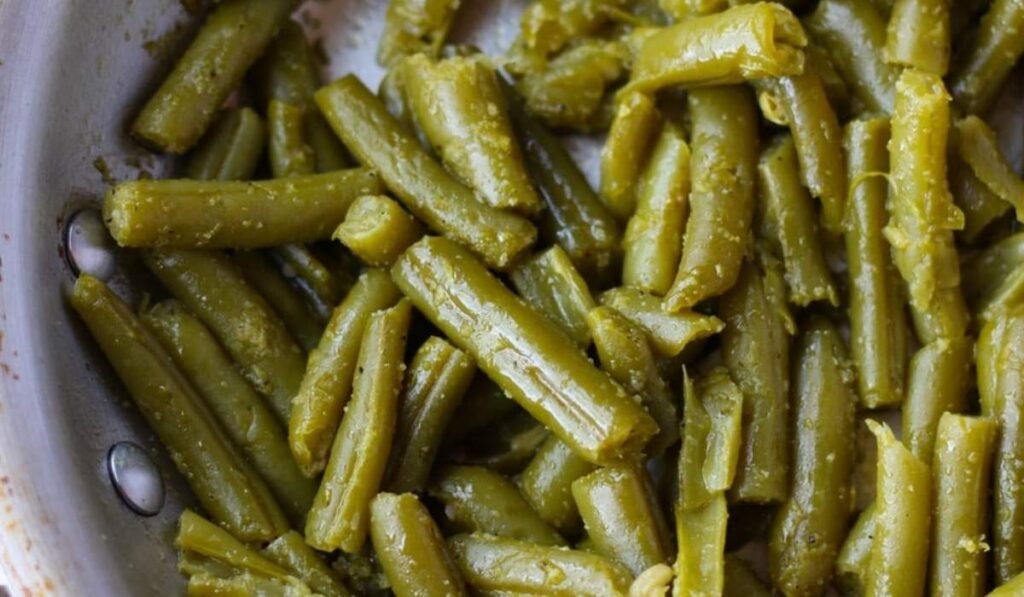
If your finished dish tastes a bit “flat,” a splash of acid is the final secret to make canned green beans taste good. A teaspoon of lemon juice, white wine vinegar, or apple cider vinegar adds a bright, zesty contrast that cuts through the richness of the fat. This acidity mimics the freshness of garden-grown vegetables and balances the saltiness, leaving the beans with a vibrant finish. Add the acid right at the end of the cooking process to ensure it maintains its sharp, brightening effect without becoming muted by excessive heat.
Adding Texture with Toasted Nuts
If you want to make canned green beans taste good by providing a contrast to their natural softness, consider adding toasted nuts. Slivered almonds, chopped walnuts, or pine nuts can be lightly toasted in a dry pan until golden and then tossed with the finished beans. The crunch provides a delightful textural surprise that distracts from the softer nature of the canned vegetable. This simple addition also introduces a nutty sweetness that complements the savory profile of the onions, garlic, and fats perfectly, making the dish feel much more elegant and complete.
Incorporating Cheese for Umami Depth
Cheese is an excellent finishing touch when you want to make canned green beans taste good for a special dinner. Freshly grated Parmesan cheese melts beautifully into the hot beans, creating a savory, salty coating that is hard to resist. Alternatively, crumbled feta cheese adds a tangy, creamy element that works especially well if you have also included toasted almonds. Sprinkle the cheese over the top just before serving, allowing the residual heat to soften it slightly, which will help marry the flavors and create a luxurious, restaurant-style presentation that everyone will love.
Boosting Heat with Spicy Elements
For those who enjoy a little kick, spice is an easy way to make canned green beans taste good. A pinch of red pepper flakes, a dash of cayenne, or even a teaspoon of hot sauce can transform the flavor profile entirely. Spices are especially helpful if you are serving the beans alongside a bland main course, as they bring energy and excitement to the plate. Start with a small amount of heat and adjust according to your preference, ensuring that the spice complements the other aromatics rather than completely overpowering the delicate flavor of the green beans.
Utilizing Herbs for Freshness
Fresh or dried herbs are essential tools when you want to make canned green beans taste good with minimal effort. Dried herbs like basil, oregano, thyme, and rosemary are wonderful pantry staples that add earthiness, while fresh parsley or dill provides a clean, herbaceous lift at the end. When using dried herbs, add them while the beans are simmering so they have time to rehydrate and release their essential oils into the cooking liquid. Fresh herbs, however, should be tossed in right before serving to preserve their vibrant color and aromatic quality.
Creating a One-Pan Skillet Meal
You can easily make canned green beans taste good by turning them into a full meal rather than just a side. By tossing them into a skillet with cooked ground turkey, diced chicken, or even chickpeas and a bit of broth, you create a balanced, one-pan dinner. The beans soak up the juices from the meat and other aromatics, becoming incredibly flavorful. This approach is perfect for busy weeknights when you need to get a healthy, filling dinner on the table quickly without spending hours hovering over the stove or cleaning multiple pots.
Enhancing with Sweet and Savory Pairings
Believe it or not, a hint of sweetness can make canned green beans taste good by balancing the saltiness inherent in many canned products. A tiny pinch of brown sugar or a drizzle of honey can harmonize with the natural earthy notes of the beans. This works exceptionally well in Southern-style recipes, especially when bacon is present, as it creates a sweet-and-savory combination that is deeply satisfying. Use this technique sparingly; you want just enough sweetness to add nuance, not enough to turn the side dish into a dessert-like experience.
Proper Storage and Reheating
Learning to make canned green beans taste good also includes knowing how to store and reheat them properly. If you have leftovers, keep them in an airtight container in the refrigerator for up to 4–5 days. When reheating, avoid the microwave if possible, as it can further soften the texture; instead, warm them gently in a skillet over low heat until they are just heated through. By treating them with care during the reheating process, you preserve the flavors and textures you worked hard to achieve, ensuring they taste just as good the next day.
Avoiding Common Cooking Mistakes
One of the biggest mistakes that prevents you from being able to make canned green beans taste good is overcooking. Since canned beans are already cooked during the canning process, they only need to be heated through and seasoned. Cooking them for too long will lead to a mushy, falling-apart texture that is difficult to salvage. Be gentle when stirring and always keep the heat at a manageable level. By focusing on gentle heating rather than aggressive boiling, you will maintain the integrity of the bean, resulting in a much more enjoyable final product.
Customizing for Dietary Preferences
It is simple to make canned green beans taste good regardless of your dietary needs. If you are vegan, use high-quality olive oil or avocado oil in place of butter and bacon, and rely on garlic, onion, and vegetable broth for flavor. If you are watching your sodium intake, always look for “no salt added” cans and season them yourself using dried herbs, citrus, and spices. Because the base vegetable is neutral, it acts as a perfect canvas, allowing you to tailor the flavors to fit your health goals or lifestyle without sacrificing any of the enjoyment.
The Magic of Caramelization
If you have a few extra minutes, roasting can make canned green beans taste good by introducing caramelization. Drain and rinse the beans, pat them dry, toss with oil and seasonings, and roast at 400°F (200°C) for 10–15 minutes. This technique changes the texture significantly, giving the exterior of the beans a slight crispness that is very different from the usual soft, canned consistency. The dry heat intensifies the natural sweetness of the beans and makes them feel like a completely new, fresh vegetable side dish that is far superior to standard steamed options.
Pairing with Complementary Main Dishes
Understanding how to make canned green beans taste good also involves knowing what they pair well with. Their versatility means they complement almost anything—from air-fried chicken and pork chops to vegetarian chili and pasta dishes. Because they are so adaptable, you can adjust the seasoning to match the main event. For example, use a lemon-herb profile for lighter chicken dishes or a bold, spicy, or bacon-heavy profile for heavier, comfort-food dinners. This thoughtful pairing makes every meal feel cohesive and well-planned, highlighting the beans as a valued component.
Using Leftover Canning Liquid
While many recipes suggest draining the liquid, some professionals argue that you can make canned green beans taste good by utilizing the flavorful canning liquid. If the liquid is not too salty, simmering it down can concentrate the “beany” flavor into a syrup-like consistency that clings to the vegetables. However, if the can is heavily salted, it is best to discard it and use a high-quality broth instead. Experiment with both methods to see which one your family prefers; often, the choice depends entirely on the specific brand of green beans you are using.
Experimenting with International Flavors
Don’t be afraid to branch out and make canned green beans taste good using global flavor profiles. A simple stir-fry with soy sauce, ginger, sesame oil, and a touch of brown sugar creates an Asian-inspired side that is both bold and savory. Alternatively, use an Italian-inspired blend of oregano, basil, and rosemary with olive oil for a Mediterranean feel. These variations prevent you from getting bored with your pantry staples and allow you to explore different cuisines while keeping your prep time minimal, turning a simple can into an adventure.
Final Tips for Success
Ultimately, the journey to make canned green beans taste good is about creativity and patience. Don’t be afraid to taste as you go; seasonings should be adjusted based on the specific brand of beans and your own palate. Remember that fats, acids, and aromatics are your best friends in the kitchen. By combining these elements, you will find that canned green beans are a highly reliable and delicious vegetable side that can easily hold its own on any table, turning a humble pantry find into a standout, flavor-packed dish you will be proud to serve. For more history and variety.
- Why do canned green beans sometimes taste mushy? * They are already fully cooked during the canning process, so reheating them for too long causes the texture to break down.
- Should I always rinse canned green beans? * Rinsing is recommended if you are concerned about high sodium levels or the metallic taste of the canning liquid.
- What is the best fat to use for canned green beans? * Bacon grease, butter, and olive oil are all excellent, each offering a distinct flavor profile (smoky, rich, or light).
- Can I add fresh ingredients to canned beans? * Yes, sautéing fresh garlic, onion, or herbs with the beans significantly improves their flavor and aroma.
- What is the secret to getting a “slow-cooked” taste quickly? * Simmering the beans until the liquid evaporates allows the seasonings to concentrate and helps the beans develop a deeper flavor.
