

Modern agriculture stands at a transformative crossroads where traditional labor-intensive practices meet cutting-edge digital innovations. Among the most discussed technological shifts in modern farming is the ongoing debate surrounding drones vs. ground sprayers for crop management. As profit margins tighten and environmental regulations become increasingly stringent, producers must carefully evaluate their application methods. Choosing the right equipment directly influences operational efficiency, chemical efficacy, and overall farm profitability season after season.
Quick Bio
- Concept: Evaluating aerial unmanned systems against conventional mechanical machinery for agricultural chemical applications.
- Core Comparison: Assessing coverage uniformity, soil impact, labor requirements, and economic viability.
- Primary Advantage of Aerial Tech: Exceptional terrain flexibility and zero soil compaction.
- Primary Advantage of Mechanical Rigs: High-volume capacity and rapid continuous acreage coverage.
Understanding Mechanical Rig Operations and Heritage
Conventional mechanical equipment has served as the backbone of large-scale crop protection for decades, offering unmatched payload capacity and speed. These heavy-duty tractors and self-propelled rigs can carry thousands of gallons, allowing them to cover vast expanses without interruption. However, their sheer physical size introduces distinct operational challenges, particularly regarding soil health and operational limitations during wet weather conditions.
The Rise of Unmanned Aerial Systems in Farming
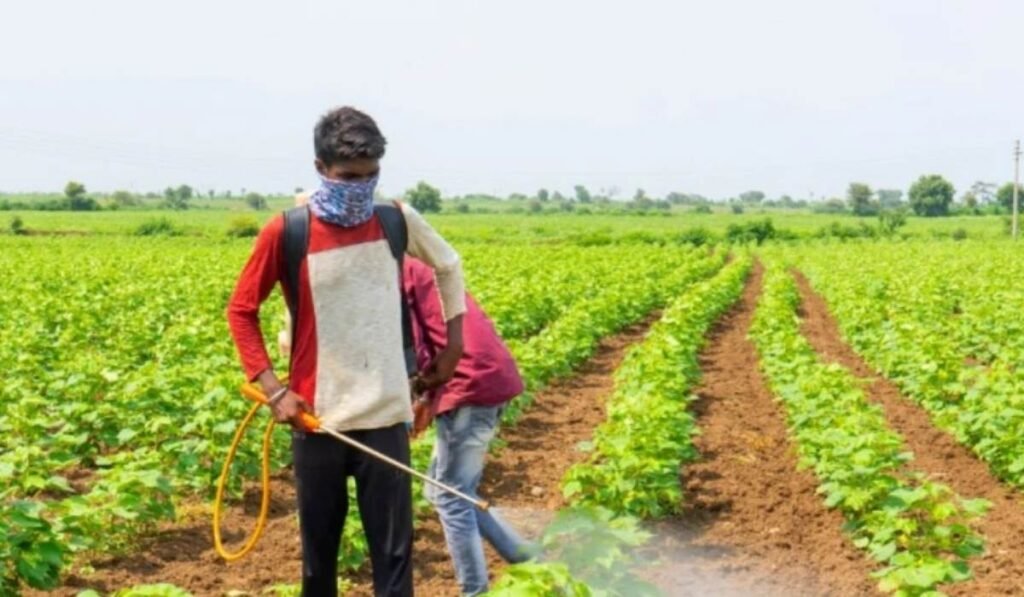
Unmanned aerial vehicles have rapidly evolved from novelty gadgets into sophisticated agricultural workhorses capable of precise chemical deployment. Utilizing advanced GPS navigation and specialized centrifugal nozzles, these aerial platforms apply treatments with remarkable accuracy. When analyzing drones vs. ground sprayers, experts often highlight how aerial technology excels in navigating irregular field layouts and managing tall crops where machinery cannot safely enter.
Analyzing Field Coverage Uniformity and Droplet Distribution
Uniform coverage remains the holy grail of successful pest and nutrient management across every agronomic system. Traditional boom rigs generally deliver consistent droplet sizes and high-volume coverage, which excels in standard weed control applications. Conversely, evaluating drones vs. ground sprayers reveals that aerial applications rely on rotor downwash to push fine droplets deep into the plant canopy, though managing drift requires careful calibration of speed and height.
Soil Health Implications and Compaction Concerns
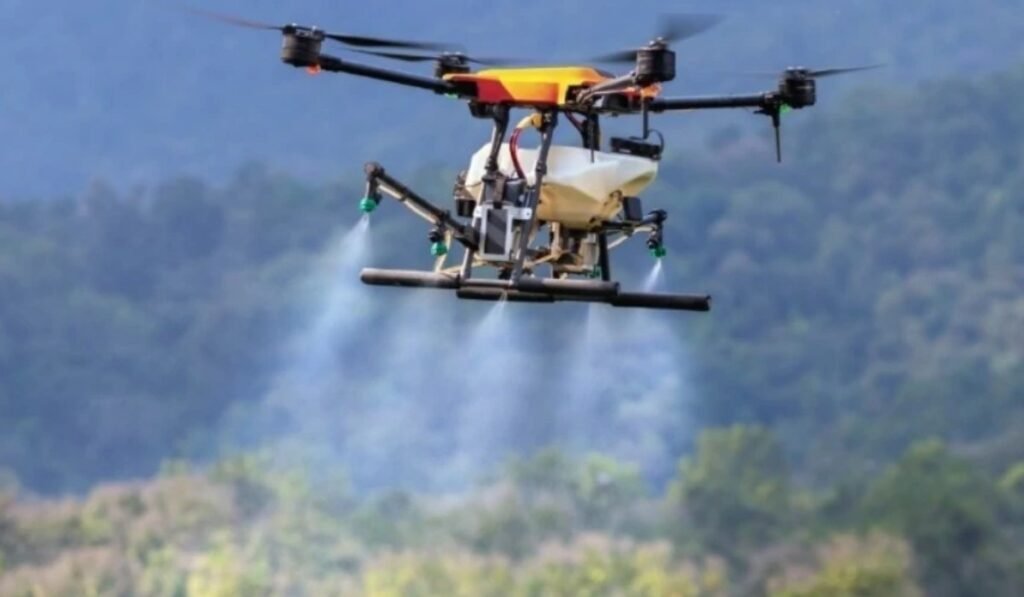
Heavy machinery moving across cultivated fields inevitably causes soil compaction, which restricts root development and reduces long-term yield potential. When contrasting drones vs. ground sprayers, the complete absence of ground contact makes aerial systems uniquely advantageous for preserving soil architecture. Farmers utilizing flying technology avoid rutting issues entirely, protecting delicate root systems and maintaining optimal soil aeration throughout the entire growing season.
Navigating Challenging Terrains and Irregular Fields
Hilly landscapes, terraced fields, and waterlogged soils often prevent mechanical rigs from operating safely or efficiently. The discussion regarding drones vs. ground sprayers frequently highlights how aerial units effortlessly clear obstacles, steep slopes, and saturated earth. This unmatched mobility ensures that timely fungicide or nutrient applications occur right when needed, preventing localized disease outbreaks from compromising total harvest yields.
Labor Efficiency and Workforce Safety Considerations
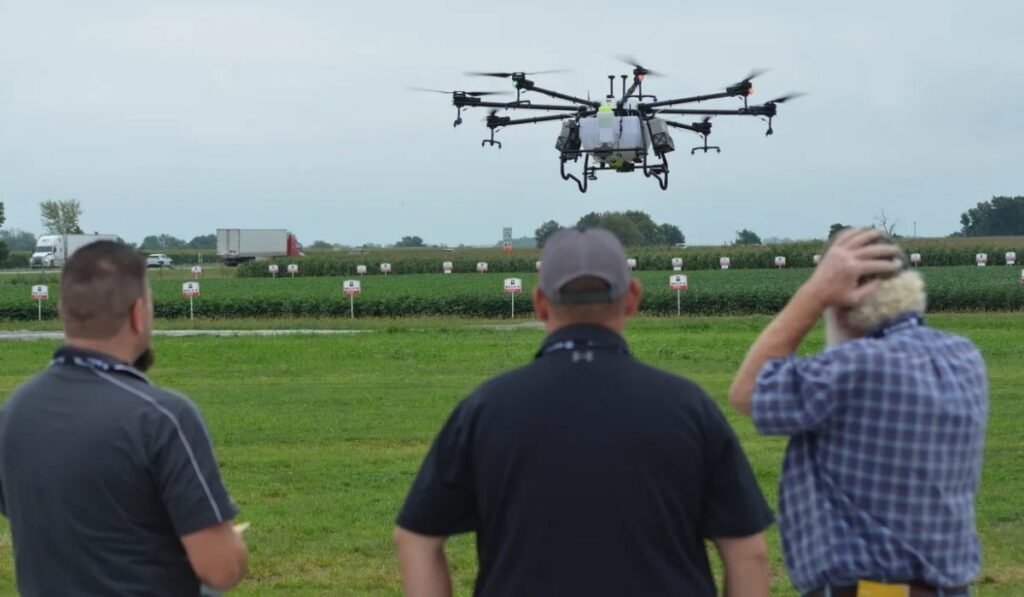
Agricultural labor shortages present a persistent hurdle for modern farming enterprises seeking reliable operational support. Looking closely at drones vs. ground sprayers, autonomous and semi-autonomous aerial tools significantly reduce the manual workforce required for routine field spraying tasks. Furthermore, remote operation keeps human workers safely away from direct chemical exposure, dramatically decreasing health risks associated with traditional backpack or tractor application methods.
Water Conservation and Chemical Reduction Metrics
Resource conservation has become a primary pillar of sustainable agricultural production across the globe. Research into drones vs. ground sprayers demonstrates that aerial platforms can drastically cut water consumption by up to ninety percent or more through ultra-low volume applications. Precise targeting also minimizes chemical waste, allowing producers to achieve optimal biological efficacy while utilizing lower overall active ingredient volumes per acre.
Operational Throughput and Acreage Coverage Speeds
While aerial systems offer superior precision, mechanical rigs still hold a distinct advantage in raw speed and continuous high-volume output. In the ongoing debate of drones vs. ground sprayers, large-scale operations often find that massive self-propelled units cover thousands of acres faster due to fewer refill interruptions. Drones frequently require frequent battery swaps and tank refills, making workflow logistics a critical factor for large commercial farms.
Capital Investment and Return on Investment Timelines
Purchasing agricultural technology requires careful financial analysis of upfront costs versus long-term economic returns. When weighing drones vs. ground sprayers, initial equipment outlays for advanced flying platforms can be substantial, yet savings on labor, fuel, and chemical inputs often accelerate payback. Smaller and mid-sized farm operations frequently find that outsourcing or investing in aerial technology yields a faster return compared to maintaining massive tractors.
Managing Late-Season Crop Damage and Tall Varieties
As crops mature and reach maximum height, driving mechanical equipment through fields becomes virtually impossible without destroying valuable yields. Evaluating drones vs. ground sprayers during late-season growth stages clearly favors aerial intervention. Whether applying late fungicides to corn or managing nutrients in tall sugarcane, flying above the canopy ensures zero mechanical breakage of stalks or developing grain heads.
Environmental Footprint and Greenhouse Gas Emissions
Sustainability metrics increasingly influence consumer preferences and regulatory frameworks governing modern food production. Studies examining drones vs. ground sprayers indicate that battery-powered aerial units generate a significantly lower carbon footprint and reduced global warming potential than diesel tractors. Lower energy consumption and targeted application minimize environmental runoff, safeguarding local watersheds and beneficial insect populations.
Integrating Hybrid Strategies for Optimal Farm Management
Rather than viewing technology as an absolute either-or proposition, many progressive producers are adopting a hybrid operational model. Analyzing drones vs. ground sprayers reveals that the most successful farms combine both systems based on specific field conditions. Ground rigs handle broad, flat acreage where high-speed throughput matters most, while aerial units manage sensitive patches, hilly terrain, and late-season treatments.
Future Technological Trajectories in Crop Protection
The future of crop protection will undoubtedly feature even greater autonomy, artificial intelligence integration, and swarm capabilities. As researchers refine application parameters and battery limitations improve, the operational gap in drones vs. ground sprayers will continue to narrow. Embracing these innovations allows modern producers to maximize resource efficiency, protect environmental integrity, and secure long-term agricultural viability in a rapidly changing world.
Frequently Asked Questions
- How do operational speeds compare when evaluating drones vs. ground sprayers?
- Ground sprayers generally cover larger continuous acreage faster due to massive tank capacities, whereas drones offer high agility and speed on irregular, fragmented, or sloped fields.
- Do aerial applications reduce chemical and water waste effectively?
- Yes, precise GPS mapping and specialized atomization allow drones to achieve significant water savings and reduce overall chemical usage through targeted placement.
- What are the primary safety benefits of using aerial technology?
- Operators remain safely away from chemical mixing and spray zones, which drastically cuts direct human exposure to hazardous agricultural agrochemicals.
- Which method is better for preventing soil damage and compaction?
- Drones eliminate ground contact entirely, preventing the soil compaction and root damage commonly caused by heavy mechanical tractor tires.
- Can modern farms successfully integrate both application methods?
- Many operations utilize ground rigs for large flat fields and deploy drones for hilly terrain, wet soils, and late-season canopy treatments.
