

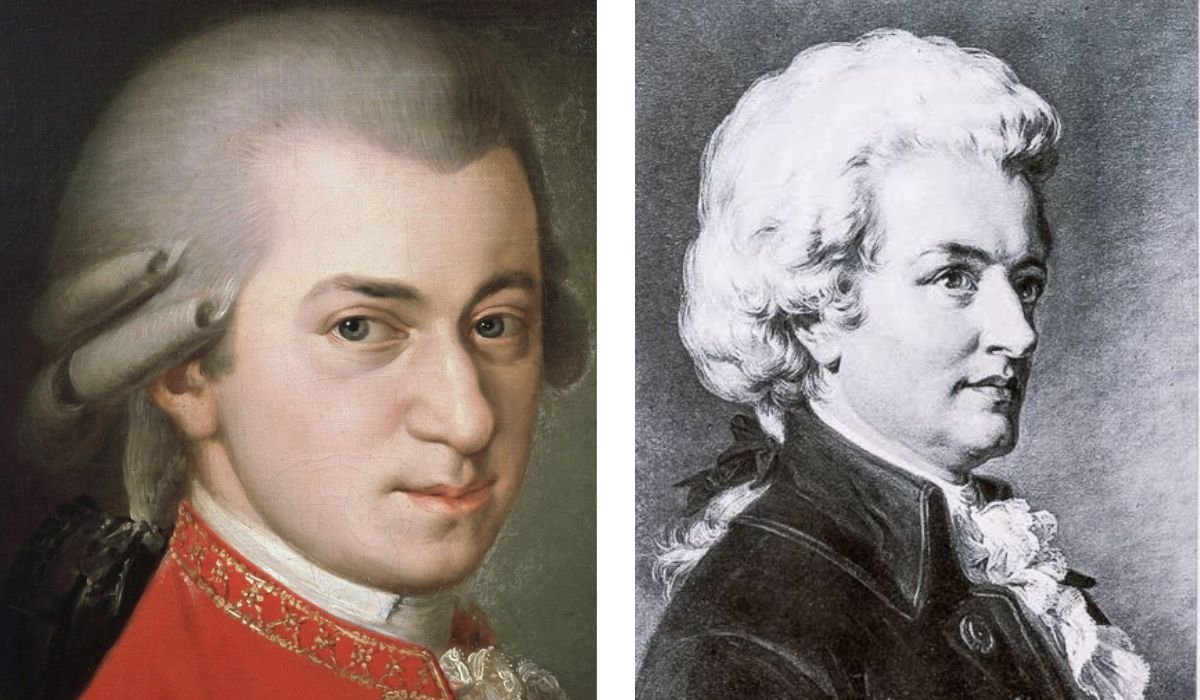
The historical landscape of classical composition features numerous brilliant visionaries, yet few figures command the universal fascination and effortless grace associated with Amadeus Mozart. Born into a musically inclined family in Salzburg, this exceptional prodigy rapidly transformed from a touring child wonder into an architectural pillar of Western art. His remarkable catalogue bridges technical perfection with raw emotional resonance, ensuring his timeless melodies continue to inspire performers, scholars, and casual listeners across generations. From innovative operas to intricate symphonies, exploring his extraordinary life reveals a relentless dedication to artistic expression and a permanent imprint on global culture.
Quick Bio Section
- Full Name: Johannes Chrysostomus Wolfgangus Theophilus Mozart
- Birth Date: January 27, 1756
- Birthplace: Salzburg, Austria
- Death Date: December 5, 1791
- Key Eras: Classical Period, Viennese School
- Notable Works: The Magic Flute, Don Giovanni, Jupiter Symphony
Early Childhood and Extraordinary Upbringing
The formative years spent by Amadeus Mozart in Salzburg established a sturdy foundation for his unprecedented musical trajectory. Encouraged by his ambitious father Leopold, who carefully supervised his early education, the young boy explored keyboards and violins with startling intuition. Relatives recognized that ordinary developmental milestones were matched by extraordinary auditory comprehension and manual dexterity. Long before traditional schooling ended, Amadeus Mozart was already internalizing complex harmonic structures that baffled adult contemporaries. Family guidance nurtured this rare gift, steering a naturally playful child toward structured creative discipline without extinguishing his innate imagination or love for performance.
Life as a Traveling Child Prodigy
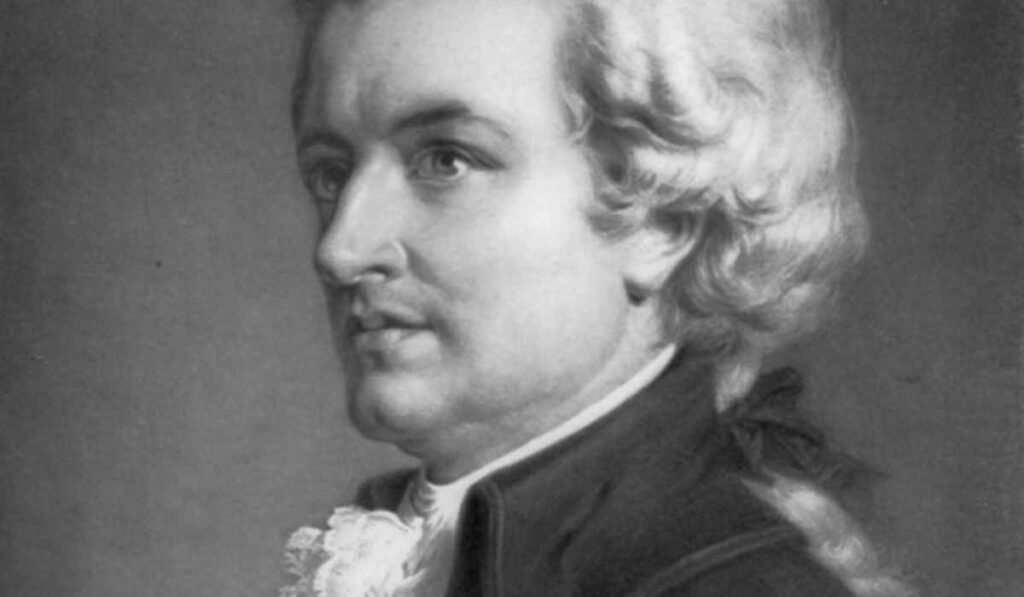
Royal courts across Europe soon opened their doors as Amadeus Mozart embarked on exhaustive continental tours alongside his talented sister Nannerl. Audiences in Paris, London, and Vienna watched in absolute disbelief as a tiny child effortlessly sight-read difficult scores and improvised intricate variations on demand. These grueling journeys exposed Amadeus Mozart to diverse cultural aesthetics, ranging from solemn church polyphony to fashionable Italian galant styles. Although these adventures brought immense prestige and aristocratic applause, they also placed heavy physical demands on a growing boy, shaping an itinerant lifestyle that heavily influenced his worldview and artistic adaptability.
The Salzburg Court and Growing Tensions
Returning home to provincial Austria brought creative friction when Amadeus Mozart attempted to integrate local duties with his expanding global ambitions. Serving the Prince-Archbishop of Salzburg provided steady employment but severely restricted artistic freedom and travel opportunities. During this transitional phase, Amadeus Mozart composed numerous sacred pieces, serenades, and early theatrical works while quietly resenting local administrative constraints. Intellectual frustration grew as his internal musical voice matured far beyond what regional employers appreciated, planting the inevitable seeds for a daring professional separation that would redefine his career path forever.
Breaking Away and Relocating to Vienna
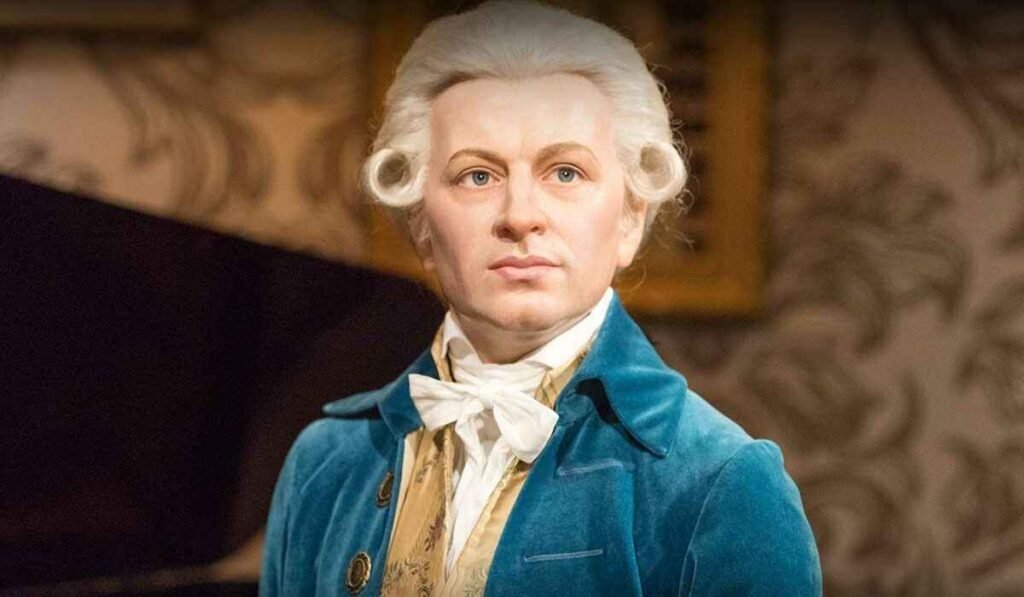
Seeking ultimate artistic independence, Amadeus Mozart made the bold decision to break ties with his Salzburg patron and establish himself permanently in Vienna. This bustling imperial capital served as the epicenter of European musical innovation, offering lucrative subscription concerts, private teaching, and publishing contracts. Settling into the vibrant urban environment allowed Amadeus Mozart to curate his own performance schedules and target sophisticated audiences. Freedom from courtly servitude unleashed an unprecedented wave of creative energy, positioning Amadeus Mozart at the very forefront of the Viennese artistic community during its most culturally fertile decade.
Mastering the Art of the Symphony
Symphonic writing underwent a radical transformation whenever Amadeus Mozart expanded orchestral palettes with richer textures and deeper narrative structures. Masterpieces like the late G-minor and the majestic Jupiter symphony demonstrated a sophisticated handling of polyphony fused with catchy, lyrical themes. Conductors and analysts continually marvel at how Amadeus Mozart balanced mathematical rigor with unconstrained emotional expression within strict classical forms. Every instrumental voice within the ensemble was treated with conversational importance, ensuring that Amadeus Mozart elevated the symphony from mere entertainment to a profound vehicle for dramatic storytelling.
Innovation in Piano Concertos
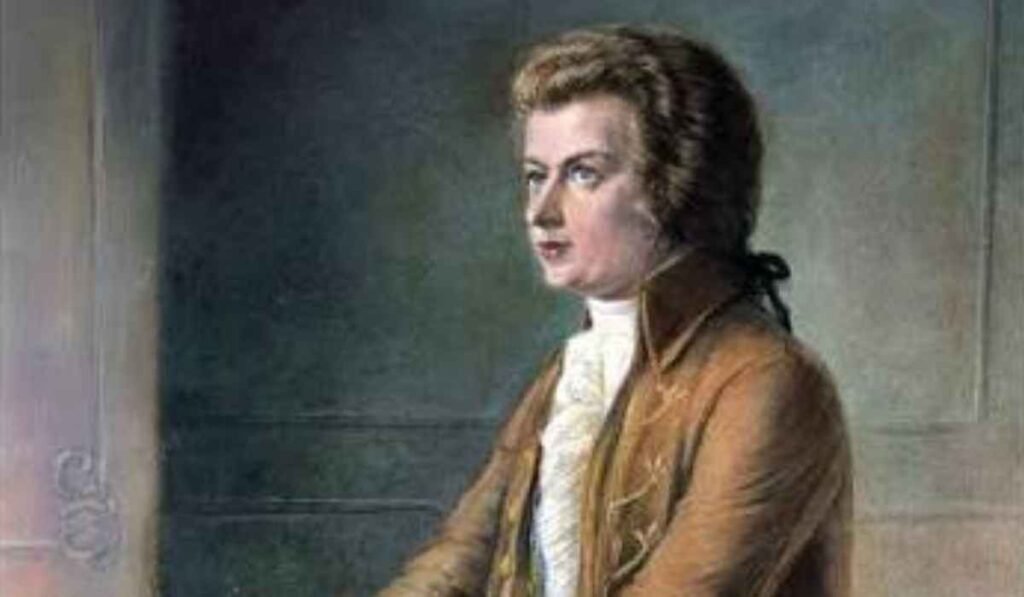
Pianistic performance reached new heights as Amadeus Mozart composed a brilliant series of concertos designed to showcase his own formidable keyboard prowess. These works established a dynamic dialogue between the solo instrument and the surrounding orchestra, balancing competition with mutual cooperation. Listeners attending Vienna’s seasonal academies were consistently astounded by how fluidly Amadeus Mozart integrated intricate technical passages with sweeping, unforgettable melodies. Music historians frequently cite these particular scores as the blueprint for the modern concerto format, proving that Amadeus Mozart understood human theatricality just as well as pure instrumental technique.
The Magic of Operatic Collaboration
The theatrical stage provided an ideal medium where Amadeus Mozart could merge psychological insight with unforgettable vocal writing and orchestral color. Teaming up with gifted librettists like Lorenzo da Ponte allowed him to craft multi-dimensional characters rather than traditional operatic caricatures. Works exploring complex human desires, social class dynamics, and moral redemption flowed effortlessly from the pen of Amadeus Mozart. Performers today still find endless depth in these roles because Amadeus Mozart captured authentic emotional struggles through music that remains universally relatable across different centuries.
Exploring Chamber Music Intimacy
Beyond grand orchestral halls, Amadeus Mozart found immense fulfillment in writing delicate string quartets, quintets, and sonatas for smaller ensembles. These intimate settings highlighted his deep admiration for classical masters like Joseph Haydn, whose influence he honored through sophisticated motivic development. Musicians participating in these chamber gatherings often described the experience as an intense conversation among equals, a trait carefully engineered by Amadeus Mzart. Balancing texture and timbre became an obsession, proving that Amadeus ozart commanded both massive theatrical forces and quiet, contemplative domestic spaces with equal authority.
Financial Struggles and Lifestyle Pressures
Despite widespread artistic acclaim and heavy demand for his talents, adult life for Amadeu Mozart was frequently marred by precarious financial instability. Extravagant tastes, rising social expectations, and fluctuating patronage systems often left his household scrambling to pay mounting urban debts. Yet, economic stress rarely stifled the creative output of Amadeus Mozrt, who continued writing at a furious, prolific pace regardless of personal hardship. Friends and patrons occasionally offered emergency loans, highlighting how fragile the existence of a freelance artist was for Amadeus Mzart long before modern copyright protections existed.
The Eternal Appeal of Chamber and Sacred Works
Religious compositions also occupied a significant place in the catalog, even as Amadeus Mozart explored secular enlightenment ideals in his public concerts. Masses, motets, and liturgical fragments showcased his profound respect for older baroque counterpoint, particularly the works of Johann Sebastian Bach. Spiritual reverence blended smoothly with dramatic flair whenever Amadeus Mozart set sacred texts to soaring choral harmonies and inventive instrumentation. These devotional pieces remind scholars that Amadeus Mozart possessed a remarkably diverse spiritual palette, drawing inspiration from both traditional liturgy and progressive humanistic philosophies.
Marriage and Partnership with Constanze
Personal stability arrived when Amadeus Mozart married Constanze Weber, establishing a domestic partnership amidst professional highs and economic turbulence. Their shared life involved frequent relocations, health concerns, and affectionate correspondence whenever touring kept them apart for extended periods. Constanze offered vital emotional grounding while Amadeus Mzart navigated the fickle tastes of Viennese aristocratic patrons and rival composers. Following his untimely passing, Constanze worked tirelessly to preserve his legacy, ensuring that the manuscripts of Amadeus ozart survived to educate and inspire future generations of music lovers.
Creative Process and Legendary Work Ethic
Composing music seemed to require almost supernatural effortlessness for AmadeuMozart, who frequently drafted entire movements in his head before putting ink to paper. Friends noted that he could write out complex scores while simultaneously chatting, playing billiards, or managing household affairs. This legendary speed stemmed from rigorous childhood training combined with an astonishing memory possessed by Amadeus Mozrt. Such lightning-fast productivity meant Amadeus ozart rarely needed extensive revisions, leaving behind clean manuscripts that continue to baffle modern musicologists studying his workflow.
The Cultural Impact of The Magic Flute
German-language theater reached a thrilling apex when Amadeus Mozart embraced popular magical themes and profound Masonic symbolism in his final opera. The Magic Flute combined populist humor, enchanting fairy-tale elements, and deep philosophical truths into an accessible theatrical spectacle. Audiences in Vienna immediately embraced the catchy tunes and fantastical characters brought to life by Amadeus Moart. This beloved stage work proved that Amadeus ozart could effortlessly bridge high art and popular entertainment, creating a lasting legacy that remains a staple of global opera houses today.
The Mystery of the Unfinished Requiem
The final months of a brilliant life brought a haunting, profound assignment that consumed the fading physical energy of Amadeus Mozart. Commissioned by an anonymous patron, the Requiem in D minor became a deeply personal meditation on mortality and spiritual judgment. Dark, swirling orchestration filled the mind of Amadeus Mozart as he dictated final vocal lines from his sickbed. Although left incomplete at his death, this sacred masterwork stands as a poignant reminder of how deeply Amadeus Mozart could channel his own suffering into immortal beauty.
Final Days and Untimely Passing
Tragedy struck the classical music world when Amadeus Mozart passed away on December 5, 1791, at the young age of thirty-five. An acute fever cut short a career that still held vast unrealized creative potential, plunging his family and close friends into profound grief. Rumors and romanticized myths quickly surrounded the sudden demise of Amadeus Mozart, though historical records point primarily to natural physical exhaustion. Despite his brief time on earth, the sheer volume and quality of work left behind by Amadeus Mozart ensured his name would echo across eternity.
Posthumous Reputation and Nineteenth-Century Revival
Decades following his death, the historical standing of Amadeus Mozart evolved from a celebrated Viennese master into a universally revered icon of Western civilization. Romantic era composers like Chopin and Beethoven studied his scores with religious devotion, viewing his balance and clarity as an unattainable ideal. Early biographies sought to untangle the myth from the man, cementing the cultural dominance of Amadeus Mozart in European concert halls. Educational institutions worldwide adopted his compositions as the definitive standard for classical form, ensuring Amadeus Mozart remained a household name for centuries.
Influence on Subsequent Generations of Musicians
The ripple effects generated by Amadeus Mozart touched nearly every major composer who emerged during the nineteenth and twentieth centuries. Pyotr Ilyich Tchaikovsky explicitly praised his work as pure musical perfection, while modern minimalist and neoclassical artists drew inspiration from his structural transparency. Analytical study of harmony and counterpoint always loops back to the innovations pioneered by Amadeus Mozart. Aspiring instrumentalists continue to find that mastering the phrasing of Amadeus Mozart serves as the ultimate test of musical taste, sensitivity, and technical control.
Modern Media and Pop Culture Presence
Popular culture frequently revisits the dramatic life and timeless soundscapes associated with Amadeus Mozart through films, literature, and digital streaming. Cinematic adaptations like the famous 1984 film popularized fictionalized rivalries, introducing millions of new listeners to the genius of Amadeus Mozart. Advertising campaigns, therapeutic audio studies, and video game soundtracks regularly leverage his recognizable melodies, proving the enduring commercial viability of Amadeus Mozart. Digital preservation efforts also guarantee that historical manuscripts belonging to Amadeus Mozart remain accessible to global researchers instantly.
Preserving the Archival Legacy Today
International museums, libraries, and dedicated foundations now safeguard the remaining physical artifacts and original scores written by Amadeus Mozart. Scholarly institutions continuously publish comprehensive critical editions to correct editorial errors and restore authentic performance practices for modern orchestras performing Amadeus Mozart. Tourism boards in Salzburg and Vienna maintain his former residences as vibrant cultural shrines visited by millions annually. Through these rigorous preservation efforts, the creative spirit and historical footprint left by Amadeus Mozart continue to thrive in the modern digital age.
Frequently Asked Questions
- When was Amadeus Mozart born and when did he die?
- Wolfgang Amadeus Mozart was born on January 27, 1756, and passed away on December 5, 1791, at the age of 35.
- How many musical works did Amadeus Mozart compose during his lifetime?
- He composed over 600 works across multiple genres, including symphonies, operas, concertos, and chamber music.
- What are some of the most famous operas written by Amadeus Mozart?
- His most celebrated theatrical works include The Marriage of Figaro, Don Giovanni, and The Magic Flute.
- Was Amadeus Mozart considered a child prodigy?
- Yes, he displayed exceptional musical talent on the keyboard and violin by age five and began composing shortly thereafter.
- Where did Amadeus Mozart spend the majority of his adult professional career?
- He spent his final adult years living, working, and achieving significant acclaim in Vienna, Austria.
