

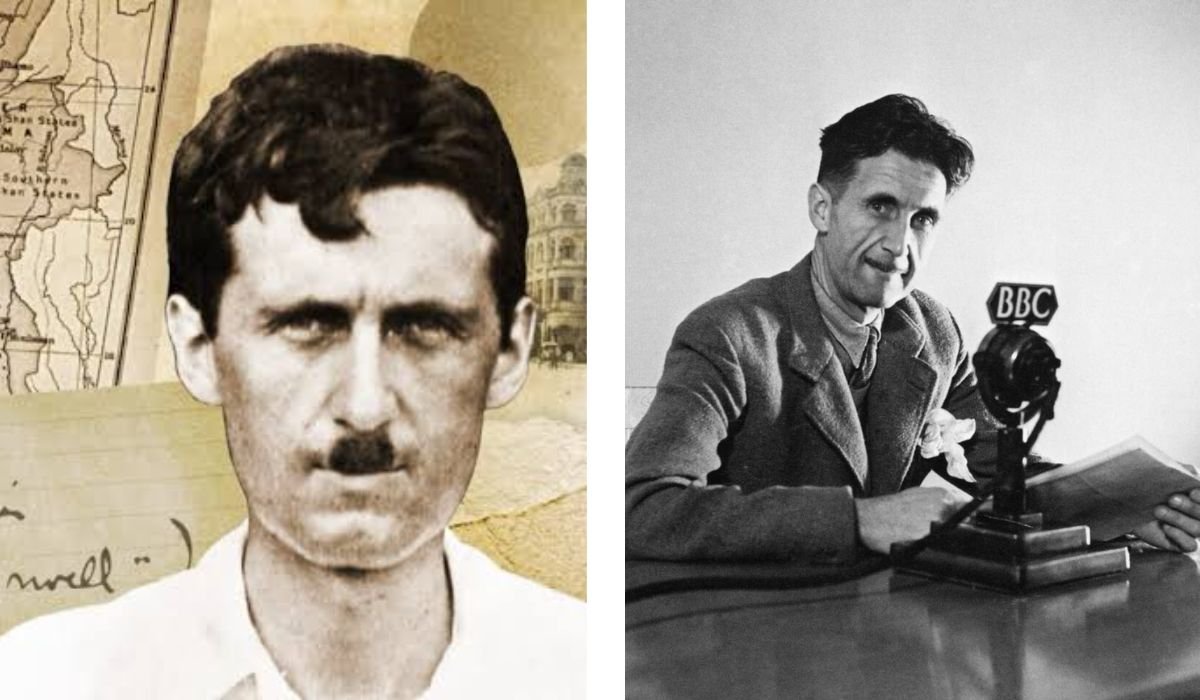
The historical landscape of modern literature features numerous perceptive commentators, yet few writers command the universal relevance and fearless moral clarity associated with George Orwell. Born into a modest British civil service family during the twilight of the British Empire, this exceptional essayist rapidly transformed from an imperial police officer into an uncompromising architectural pillar of political conscience. His remarkable catalogue of essays and dystopian novels bridges sharp journalistic observation with profound human empathy, ensuring his timeless warnings continue to inspire readers, activists, and scholars across generations. From biting social critiques to chilling totalitarian nightmares, exploring his extraordinary life reveals a relentless dedication to truth and a permanent imprint on global culture.
Quick Bio Section
- Full Name: Eric Arthur Blair (Pen name: George Orwell)
- Birth Date: June 25, 1903
- Birthplace: Motihari, Bengal, British India
- Death Date: January 21, 1950
- Key Eras: 20th Century Literature, Modernism, Political Journalism
- Notable Works: Nineteen Eighty-Four, Animal Farm, Down and Out in Paris and London
Early Years and Colonial Upbringing
The formative years spent by a young Eric Blair in India and England established a complex foundation for his unprecedented literary trajectory. Encouraged by his early education at St. Cyprian’s and later at Eton College, the sensitive boy explored classical texts and social hierarchies with startling intuition. Relatives recognized that ordinary scholastic milestones were matched by acute observational awareness regarding class divides. Long before traditional publishing careers began, the future author George Orwell was already internalizing societal pressures that baffled adult contemporaries. Family guidance nurtured his academic drive, steering a naturally analytical student toward structured writing without extinguishing his innate empathy for society’s marginalized outcasts.
Imperial Service in Burma
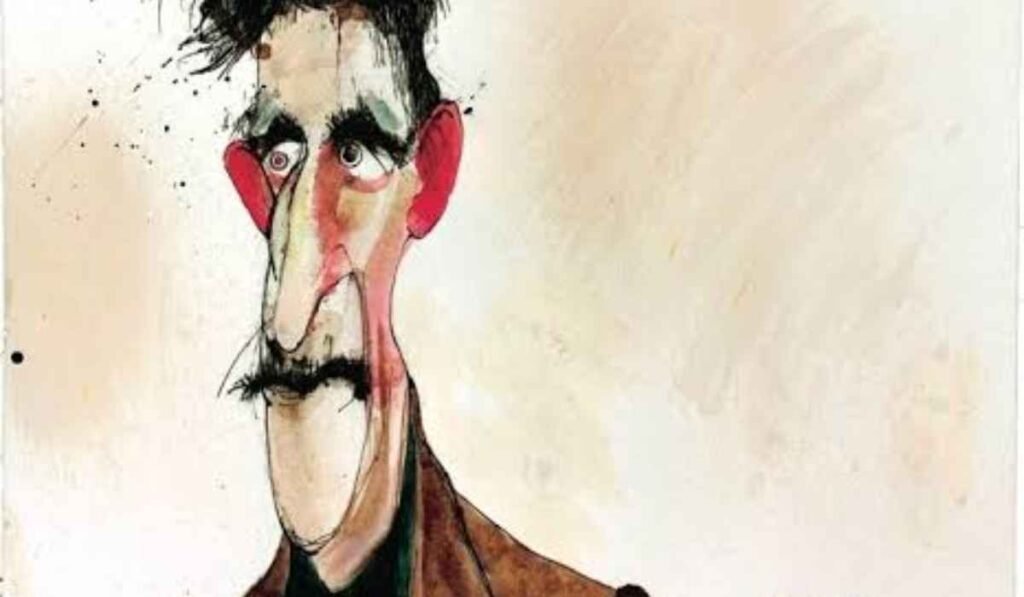
Professional doors across Asia soon opened wide when the young writer embarked on an intensive administrative journey as a police officer in colonial Burma. Local villagers and colonial administrators watched in mixed emotions as a dedicated officer attempted to balance imperial duties with mounting personal moral reservations. These grueling service years exposed him to the harsh realities of authoritarian governance, racial prejudice, and systemic oppression. Although these professional pursuits brought steady employment, they also placed heavy psychological demands on a reflective thinker, shaping an alienated worldview that heavily influenced the political independence of George Orwell and his lifelong aversion to institutional tyranny.
Voluntary Poverty in Europe
Returning home to Europe brought radical lifestyle changes when the author chose to abandon imperial service and live among the impoverished working classes of Paris and London. Leaving conventional comfort zones temporarily provided harsh refuge but sparked an unprecedented period of firsthand sociological research. During this transitional phase, the writer scrubbed dishes in squalid restaurant kitchens, slept in casual wards, and documented the daily struggles of tramps and laborers. Intellectual freedom unleashed an extraordinary wave of creative energy, positioning George Orwell at the very forefront of investigative journalism during its most compelling early era.
Adopting the Pen Name
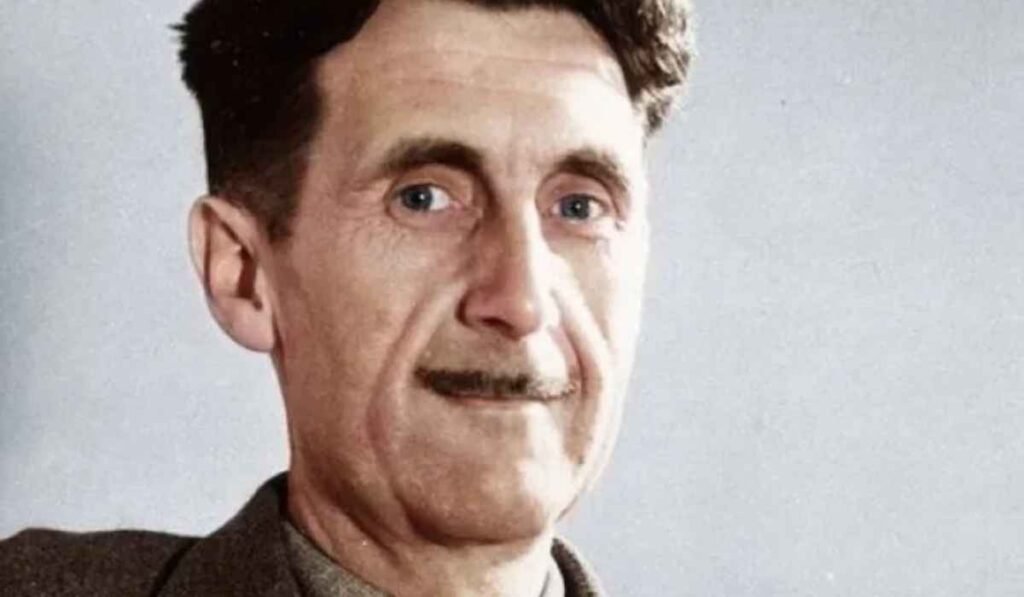
Seeking ultimate literary anonymity and freedom from family embarrassment, the author made the bold decision to publish his first major book under a distinct pseudonym. This revolutionary literary moniker allowed him to distance his personal background from gritty explorations of poverty and social degradation. Publishing his debut memoir under this fresh identity enabled the writer to present his findings to the British public without social prejudice. Freedom from bourgeois expectations earned him immediate critical respect, positioning George Orwell as a premier social documentarian within the British literary community during the early nineteen-thirties.
The Crucible of the Spanish Civil War
Political convictions underwent a radical transformation whenever the author traveled to Spain to report on and actively participate in the anti-fascist resistance. Masterpieces like Homage to Catalonia demonstrated a sophisticated handling of frontline journalism fused with harsh political disillusionment. Historians and analysts continually marvel at how the writer balanced military bravery with unconstrained ideological skepticism within strict revolutionary factions. Every betrayal by totalitarian elements within the militia was treated with calculated historical importance, ensuring that George Orwell elevated political memoir from mere reporting to a profound warning against ideological fanaticism.
Exposing Industrial Working Conditions
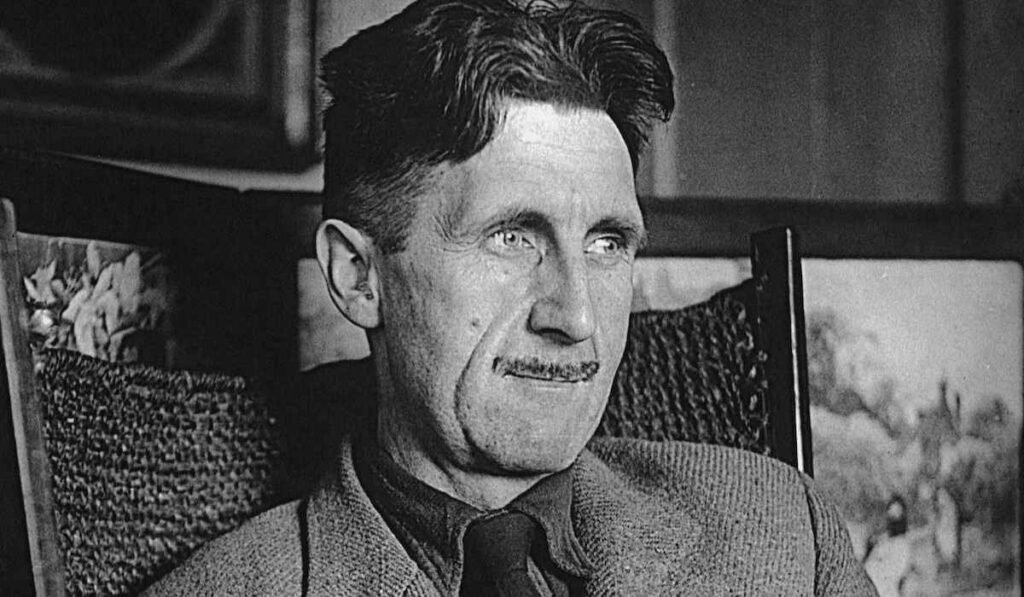
Analytical nonfiction reached new heights as the British essayist published comprehensive studies documenting the harsh lives of northern industrial coal miners. These documentary frameworks established a dynamic dialogue between economic statistics and human storytelling, balancing theoretical socialism with gritty reality. Readers attending local libraries were consistently astounded by how fluidly George Orwell integrated detailed wage charts with sweeping, empathetic portraits of working families. Literature historians frequently cite these particular manuscripts as the blueprint for modern investigative journalism, proving that George Orwell understood economic exploitation just as well as political theory.
The Allegorical Triumph of Animal Farm
The theatrical and allegorical page provided an ideal medium where the British satirist could merge political critique with accessible storytelling and biting fable mechanics. Teaming up with progressive publishers allowed him to craft multi-dimensional animal characters representing corrupt Soviet leaders rather than traditional fairy-tale archetypes. Works exploring bureaucratic betrayal, the corruption of revolutionary ideals, and historical revisionism flowed effortlessly from the pen of George Orwell. Readers today still find endless depth in these allegories because George Orwell captured authentic political corruption through symbolism that remains universally understandable across different global contexts.
Exploring the Dangers of Totalitarianism
Beyond allegorical farmyards, the visionary author found immense fulfillment in writing a terrifyingly prophetic novel depicting absolute state control and psychological manipulation. These speculative narratives highlighted his deep anxiety regarding state surveillance, historical erasure, and the weaponization of language. Scholars participating in literary analysis often describe the scope of this ultimate novel as an intense psychological endeavor. Balancing political warning with dystopian fiction became an urgent obsession, proving that George Orwell commanded both public sociological commentary and hidden philosophical warnings with equal authority.
Journalism and Wartime Broadcasting
Despite widespread literary acclaim and heavy demand for his analytical talents, wartime life for the essayist involved rigorous administrative responsibility at the British Broadcasting Corporation. Cultural propaganda, rising national pressures, and broadcasting duties often required his direct oversight in bustling London offices. Yet, executive stress rarely stifled the intellectual output of George Orwell, who continued drafting trenchant newspaper columns at a meticulous pace regardless of public service demands. Friends and government officials frequently relied on the sharp editorial eye of George Orwell, highlighting how vital practical media leadership was during global conflict.
The Eternal Appeal of Essays and Criticism
Literary essays also occupied a significant place in his bibliography, even as the author observed global geopolitical shifts from his rural island refuge. Popular culture, bad grammar, and political language showcased his profound respect for linguistic clarity and cultural honesty. Intellectual rigor blended smoothly with accessible prose whenever George Orwell analyzed popular art forms alongside international diplomacy. These critical pieces remind scholars that George Orwell possessed a remarkably diverse intellectual palette, drawing inspiration from both high literature and everyday popular culture.
Marriage and Partnership with Eileen
Personal stability and deep emotional partnership arrived when the writer married Eileen O’Shaughnessy, establishing a domestic foundation amidst wartime blitzes and economic turbulence. Their shared life involved managing rural gardens, volunteering in civil defense, and providing affectionate mutual support during periods of frail health. Eileen offered vital editorial feedback while George Orwell navigated the fickle publishing world and controversial political debates. Following her tragic and untimely passing, George Orwell worked tirelessly to honor her memory, ensuring that his creative life remained anchored by the profound lessons they shared together.
Working Habits Amidst Declining Health
Concentrating on complex manuscripts seemed to require almost supernatural dedication for the ailing author, who frequently typed final drafts from remote Scottish hospital beds. Biographers noted that he could complete difficult literary chapters for hours on end without resting, driven by an astonishing mental stamina despite advanced tuberculosis. Such lightning-fast intellectual output meant George Orwell occasionally struggled against physical exhaustion while finishing his final dystopian projects. These fierce battles against illness proved that George Orwell guarded his artistic vision with fierce professional determination.
The Cultural Impact of Nineteen Eighty-Four
Literary publishing reached a thrilling apex when the British novelist embraced bleak geopolitical predictions and chilling psychological surveillance in his final masterwork. The novel combined political warning, linguistic manipulation through Newspeak, and deep philosophical truths into an accessible narrative for global audiences. Readers across the world immediately embraced the haunting concepts brought to light by George Orwell. This beloved foundational text proved that speculative fiction could effortlessly bridge political theory and popular entertainment, creating a lasting legacy that remains a cornerstone of global political education today.
The Mystery of Truth and Objective Reality
The final decades of a brilliant life brought a haunting, profound philosophical question that consumed the inquisitive energy of the British author. Challenged by political propagandists who argued that objective truth does not exist, George Orwell famously defended the tangible reality of physical facts and historical accuracy. Dark, swirling geopolitical alliances filled the mind of George Orwell as he analyzed the deliberate destruction of historical archives by authoritarian states. Although fully aware of mounting totalitarian threats, this masterwork stands as a poignant reminder of how carefully George Orwell separated objective truth from political propaganda.
Final Days and Untimely Passing
Tragedy struck the global literary community when the famous essayist passed away on January 21, 1950, at the young age of forty-six. An advanced tuberculosis infection cut short a career that still held vast unrealized creative potential, plunging his peers and readers into profound mourning. Memorial services and monumental literary tributes quickly surrounded the peaceful demise of George Orwell, though historical records point primarily to natural physical exhaustion brought on by chronic illness. Despite his mortal departure, the sheer volume and quality of work left behind by George Orwell ensured his pen name would echo across eternity.
Posthumous Reputation and Cold War Relevance
Decades following his death, the historical standing of George Orwell evolved from a struggling mid-century journalist into a universally revered icon of political freedom. Cold War diplomats and human rights activists studied his warnings with religious devotion, viewing his insistence on truth as an unattainable ideal. Early biographers sought to untangle the myth from the man, cementing the cultural dominance of George Orwell in global academic curricula. Educational institutions worldwide adopted his dystopian terminology as the definitive standard for political science, ensuring concepts popularized by George Orwell remained household terms for centuries.
Influence on Subsequent Generations of Writers
The ripple effects generated by George Orwell touched nearly every major journalist, political scientist, and novelist who emerged during the late twentieth and twenty-first centuries. Investigative reporters explicitly built upon his documentary style while exposing government corruption, acknowledging the monumental groundwork laid by George Orwell. Analytical study of political rhetoric always loops back to the linguistic warnings pioneered by George Orwell. Aspiring writers continue to find that mastering the clear prose style of George Orwell serves as the ultimate test of literary honesty, political courage, and stylistic simplicity.
Modern Media and Pop Culture Presence
Popular culture frequently revisits the dystopian vocabulary and timeless essays associated with George Orwell through films, television adaptations, and digital journalism. Cinematic adaptations of his novels popularize surveillance themes, introducing millions of new students to the literary genius of George Orwell. Advertising campaigns, technology debates, and political commentary programs regularly leverage terms coined or popularized by George Orwell, proving the enduring cultural viability of his ideas. Digital preservation efforts also guarantee that historical essays and manuscripts belonging to George Orwell remain accessible to global researchers instantly.
Preserving the Archival Legacy Today
International museums, university libraries, and dedicated literary foundations now safeguard the remaining physical artifacts and original notebooks written by George Orwell. Scholarly institutions continuously publish comprehensive critical editions to correct editorial errors and restore authentic historical context for modern researchers studying George Orwell. Tourism boards in England and Scotland maintain his former properties and writing sheds as vibrant cultural shrines visited by literary enthusiasts annually. Through these rigorous preservation efforts, the critical spirit and historical footprint left by George Orwell continue to thrive in the modern digital age.
Frequently Asked Questions
- When was George Orwell born and when did he die?
- George Orwell was born on June 25, 1903, and passed away on January 21, 1950, at the age of 46.
- What is the real birth name of George Orwell?
- His actual birth name was Eric Arthur Blair, and he used George Orwell as his primary literary pen name.
- What are the two most famous novels written by George Orwell?
- His most celebrated dystopian and allegorical works are Nineteen Eighty-Four and Animal Farm.
- Did George Orwell participate in any real-world military conflicts?
- Yes, he fought voluntarily for the Republican side against fascism during the Spanish Civil War.
- What major political concepts did George Orwell popularize in his writing?
- He popularized influential concepts regarding totalitarian surveillance, doublethink, and the manipulation of historical truth.
