

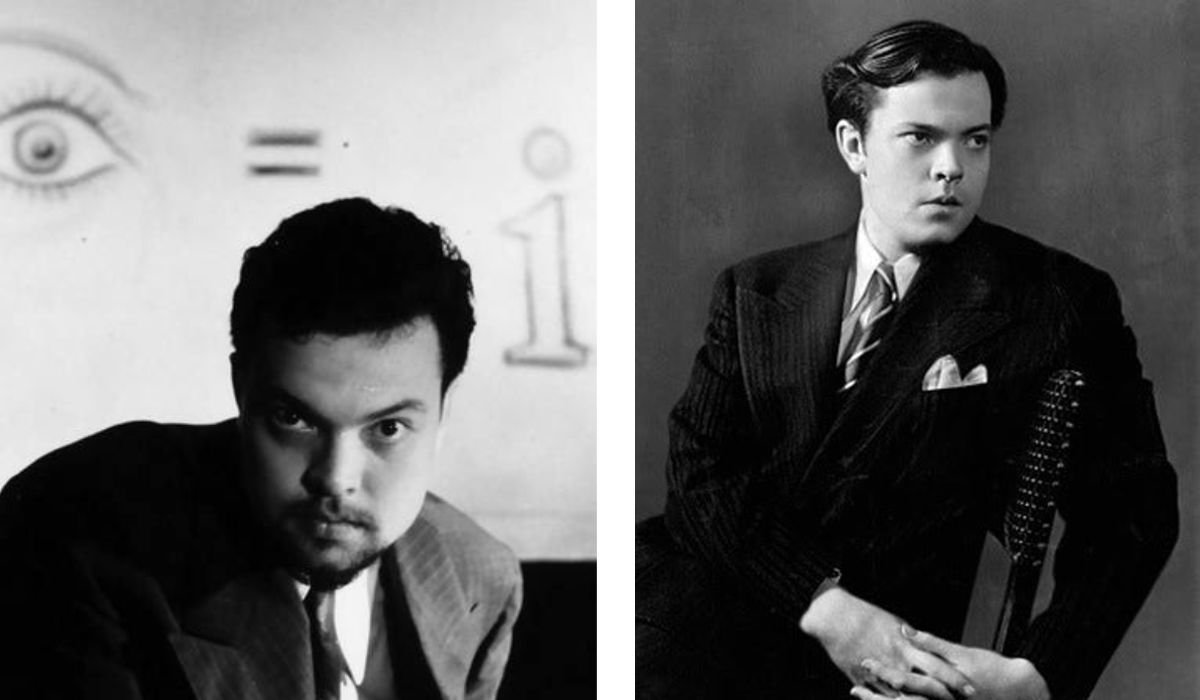
The historical landscape of twentieth-century cinema features numerous visionary directors, yet few figures command the universal artistic ambition and radical narrative impact associated with Orson Welles. Born into a creative Midwestern family during the early decades of the twentieth century, this exceptional theatrical prodigy rapidly transformed from a brilliant radio dramatist into an uncompromising architectural pillar of modern filmmaking. His remarkable catalogue of innovative films, stage productions, and broadcast recordings bridges bold technical experimentation with profound psychological storytelling, ensuring his timeless masterpieces continue to inspire directors, critics, and cinephiles across generations. From groundbreaking deep-focus camera angles to legendary broadcast hoaxes, exploring his extraordinary life reveals a relentless dedication to artistic freedom and a permanent imprint on global culture.
Quick Bio Section
- Full Name: George Orson Welles (Known professionally as Orson Welles)
- Birth Date: May 6, 1915
- Birthplace: Kenosha, Wisconsin, United States
- Death Date: October 10, 1985
- Key Eras: Golden Age of Hollywood, Independent Cinema, Radio Broadcasting
- Notable Works: Citizen Kane, The War of the Worlds, Touch of Evil
Early Childhood and Extraordinary Upbringing
The formative years spent by a young George Orson Welles in Wisconsin and Illinois established a complex foundation for his unprecedented artistic trajectory. Encouraged by his supportive parents, the sensitive boy explored classical literature, theatrical performance, and painting techniques with startling intuition. Relatives recognized that ordinary childhood milestones were matched by acute intellectual comprehension regarding dramatic arts. Long before traditional professional careers began, the future visionary Orson Welles was already internalizing storytelling structures that baffled adult contemporaries. Family guidance nurtured his academic drive, steering a naturally precocious youth toward structured performance without extinguishing his innate imagination.
Theatrical Breakthroughs on the New York Stage
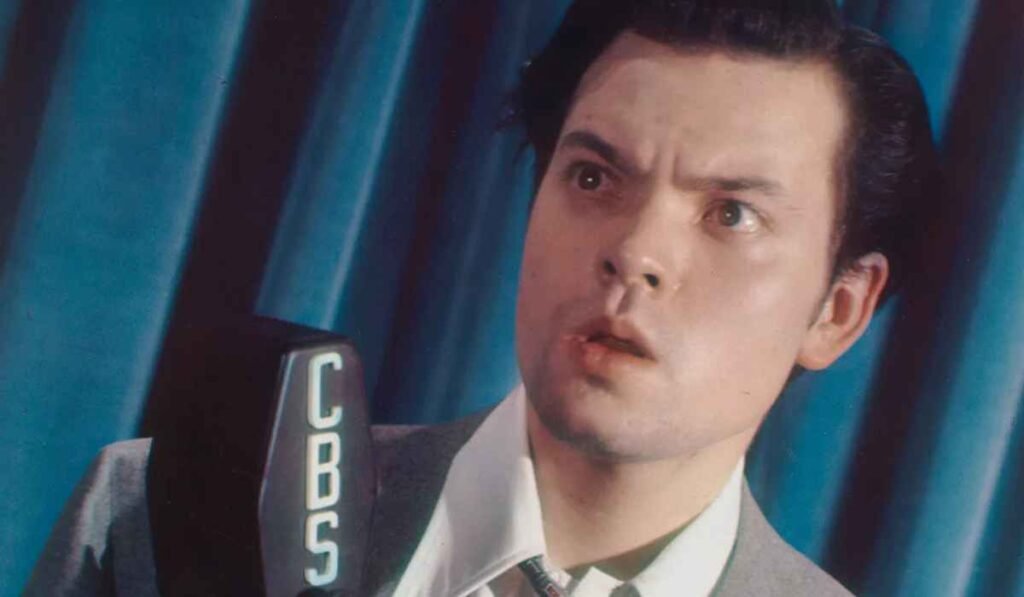
Professional doors across America soon opened wide when the young director embarked on an intensive theatrical journey in New York City. Theatergoers and critics watched in mixed emotions as a dedicated producer mastered classical Shakespearean adaptations while quietly developing his signature modern staging techniques. These grueling Broadway years exposed him to the harsh realities of theatrical production, union politics, and financial management. Although these creative pursuits brought steady acclaim, they also placed heavy psychological demands on a reflective thinker, shaping an independent worldview that heavily influenced the artistic integrity of Orson Welles and his lifelong resistance to studio control.
The Infamous War of the Worlds Radio Broadcast
Returning to national prominence through audio storytelling brought radical cultural attention when the broadcaster chose to produce a terrifyingly realistic Halloween radio adaptation. Leaving conventional broadcast norms temporarily provided immense public controversy but sparked an unprecedented period of mass media notoriety. During this transitional phase, the director narrated realistic news bulletins about a Martian invasion, causing widespread public panic across America. Intellectual freedom unleashed an extraordinary wave of creative energy, positioning Orson Welles at the very forefront of broadcast entertainment during its most influential golden era.
Moving to Hollywood and Citizen Kane
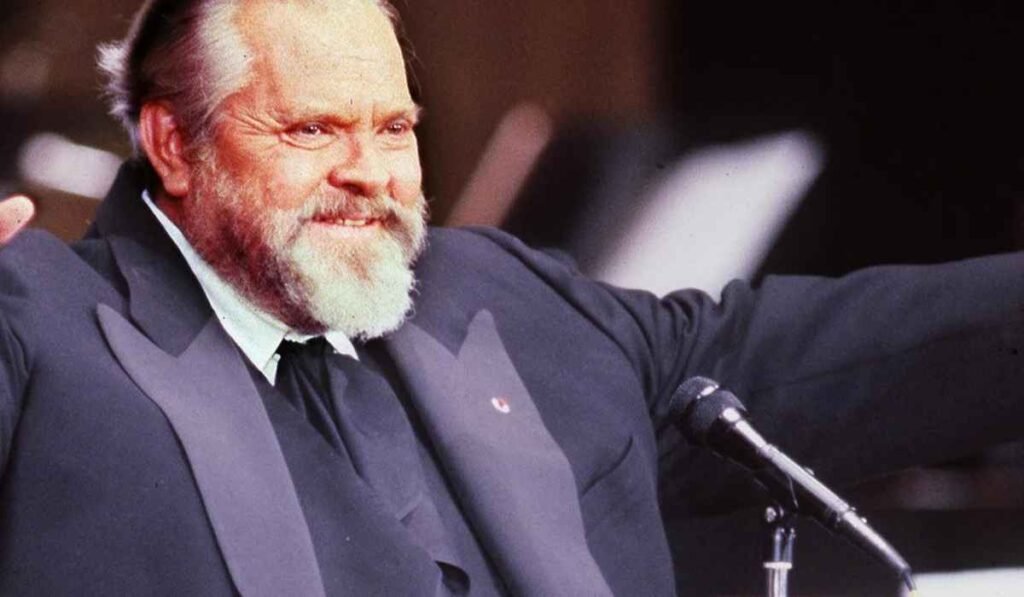
Seeking ultimate cinematic autonomy and complete creative control, the young prodigy made the bold decision to sign an unprecedented contract with RKO Pictures. This revolutionary studio agreement allowed him to write, direct, produce, and star in his debut feature film without executive interference. Exhibiting his groundbreaking motion picture under a fresh creative vision enabled the director to present radical deep-focus cinematography and nonlinear storytelling to mainstream audiences. Freedom from traditional studio formulas earned him immediate critical acclaim, positioning Orson Welles as a premier cinematic innovator within the Hollywood community during the early nineteen-forties.
Revolutionizing Cinematographic Techniques
Film production underwent a radical transformation whenever the innovative director utilized ceiling sets, wide-angle lenses, and complex optical printing in his motion pictures. Masterpieces like Citizen Kane demonstrated a sophisticated handling of visual perspective fused with overlapping audio dialogue. Film historians and critics continually marvel at how the creator balanced technical experimentation with unconstrained narrative depth within strict cinematic frameworks. Every dramatic shadow and camera movement was treated with calculated artistic importance, ensuring that Orson Welles elevated filmmaking from mere entertainment to a profound visual art form.
The Mercury Theatre and Collaborative Artistry
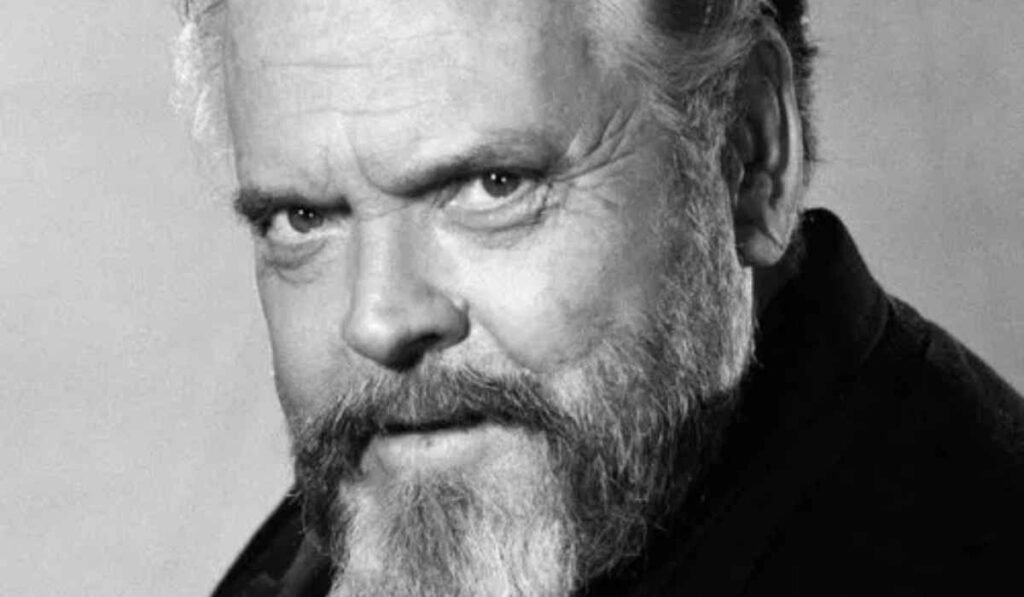
Creative collaboration reached new heights as the American icon established his loyal troupe of actors known collectively as the Mercury Theatre. These talented performers established a dynamic dialogue between stage, radio, and film, balancing artistic risk-taking with ensemble discipline. Viewers attending theatrical and cinematic productions were consistently astounded by how fluidly Orson Welles integrated ensemble acting with sweeping visual compositions. Film historians frequently cite these particular collaborative years as the blueprint for modern independent cinema, proving that Orson Welles understood group dynamics just as well as solo authorship.
European Exile and Independent Filmmaking
The theatrical and cinematic landscape provided an ideal medium where the exiled director could merge artistic ambition with improvised financing and international locations. Teaming up with foreign producers allowed him to craft brilliant noir thrillers and literary adaptations despite constant budget shortages. Works exploring moral corruption, justice, and betrayal flowed effortlessly from the creative mind of Orson Welles. Viewers today still find endless depth in these international projects because Orson Welles captured authentic human tragedy through filming techniques that remain influential across different modern media contexts.
Struggling Against Studio Interference
Beyond glamorous premieres and critical praise, the visionary filmmaker faced a heartbreaking series of battles when Hollywood studios re-edited or abandoned his unfinished film projects. These traumatic professional conflicts highlighted his deep vulnerability to corporate finance and forever altered his career trajectory. Scholars participating in biographical analysis often describe the heartbreak of these studio battles as a defining professional tragedy. Balancing ambitious artistic vision with commercial compromise became a daily reality, proving that Orson Welles commanded both brilliant creative output and relentless behind-the-scenes resilience.
Voice Acting and Commercial Narration
Despite widespread artistic acclaim and heavy demand for his directorial talents, later life for the auteur involved diverse commercial work including voice acting, television commercials, and documentary narration. Promotional projects, rising living expenses, and interview appearances often required his direct presence in recording studios. Yet, commercial work rarely stifled the intellectual output of Orson Welles, who continued developing independent film scripts and personal essays at a meticulous pace. Friends and fans frequently relied on the cultural insight of Orson Welles, highlighting how vital his booming voice and charismatic presence remained in popular media.
The Eternal Appeal of Shakespearean Adaptations
Classical stage plays also occupied a significant place in his portfolio, even as the director explored gritty modern film noir narratives in his international projects. Renaissance dramas, Elizabethan poetry, and historical tragedy showcased his profound respect for theatrical tradition and rich vocal delivery. Intellectual rigor blended smoothly with cinematic innovation whenever Orson Welles filmed bespoke adaptations of Shakespearean plays. These cinematic pieces remind scholars that Orson Welles possessed a remarkably diverse creative palette, drawing inspiration from both high-end theatrical heritage and modern visual experimentation.
Archival Obsession and Unfinished Masterpieces
Personal dedication and deep material preservation arrived when the artist accumulated massive amounts of unedited footage, establishing a legendary collection of unfinished cinematic experiments. Their shared storage spaces involved boxing up film reels, audio tapes, and historical documents during frantic creative endeavors. These accumulated boxes offered vital raw material while Orson Welles navigated the fickle film financing markets. Following his unexpected passing, archivists worked tirelessly to restore these lost films, ensuring that the creative legacy of Orson Welles remained an invaluable resource for film historians.
Working Habits Amidst Massive Projects
Concentrating on complex cinematic production seemed to require almost supernatural dedication for the prolific creator, who frequently juggled multiple artistic projects simultaneously. Biographers noted that he could complete difficult editing sequences for hours on end without resting, driven by an astonishing professional stamina despite industry hurdles. Such lightning-fast intellectual output meant Orson Welles occasionally courted controversy regarding unfinished productions versus completed masterworks. These fierce debates about artistic completion proved that Orson Welles guarded his visionary methods with fierce professional determination.
The Cultural Impact of Modern Film Language
Visual culture reached a thrilling apex when the American director embraced deep focus, expressionistic lighting, and complex sound design in his legendary movie projects. The resulting films combined narrative innovation, technical daring, and deep philosophical truths into an accessible visual language for global audiences. Viewers across the world immediately embraced the striking concepts brought to light by Orson Welles. This beloved foundational aesthetic proved that cinema could effortlessly bridge avant-garde experimentation and narrative storytelling, creating a lasting legacy that remains a cornerstone of global film education today.
The Mystery of Truth and Illusion
The final decades of a brilliant career brought a haunting, profound philosophical question that consumed the inquisitive energy of the American filmmaker. Challenged by critics who explored his complex cinematic puzzles, Orson Welles famously examined the thin boundary between illusion and reality in masterpieces like F for Fake. Dark, swirling themes of deception filled the mind of Orson Welles as he analyzed the fleeting nature of truth, magic, and media representation. Although fully aware of the illusions inherent in storytelling, this body of work stands as a poignant reminder of how carefully Orson Welles documented human gullibility.
Final Days and Untimely Passing
Tragedy struck the global film community when the famous creator passed away peacefully from a heart attack on October 10, 1985, at the age of seventy. An unforeseen medical emergency cut short a career that still held vast unrealized creative potential, plunging his peers and cinephiles into profound mourning. Memorial services and monumental film retrospectives quickly surrounded the passing of Orson Welles, though historical records point primarily to natural causes. Despite his mortal departure, the sheer volume and quality of work left behind by Orson Welles ensured his name would echo across eternity.
Posthumous Reputation and Critical Reassessment
Decades following his death, the historical standing of Orson Welles evolved from a controversial Hollywood outsider into a universally revered titan of world cinema history. International film archives and modern directors studied his camera techniques with religious devotion, viewing his directorial style as an unmatched benchmark. Early biographers sought to untangle the myth from the pioneering artist, cementing the cultural dominance of Orson Welles in global film school curricula. Educational institutions worldwide adopted his deep-focus style as the definitive standard for visual literacy, ensuring concepts pioneered by Orson Welles remained household terms for centuries.
Influence on Subsequent Generations of Filmmakers
The ripple effects generated by Orson Welles touched nearly every major director, cinematographer, and screenwriter who emerged during the late twentieth and twenty-first centuries. Contemporary creators explicitly built upon his innovative camera movements while challenging traditional studio norms, acknowledging the monumental groundwork laid by Orson Welles. Analytical study of film grammar always loops back to the conceptual breakthroughs pioneered by Orson Welles. Aspiring directors continue to find that mastering the fearless mindset of Orson Welles serves as the ultimate test of creative originality, technical awareness, and stylistic reinvention.
Modern Media and Pop Culture Presence
Popular culture frequently revisits the striking visual vocabulary and timeless cinematic masterpieces associated with Orson Welles through global film retrospectives, digital streaming restorations, and educational documentaries. Cinematic documentaries and university film classes popularize his revolutionary career, introducing millions of new students to the artistic genius of Orson Welles. Advertising campaigns, media studies programs, and modern film analyses regularly leverage concepts popularized by Orson Welles, proving the enduring cultural viability of his ideas. Digital preservation efforts also guarantee that historical films and radio broadcasts belonging to Orson Welles remain accessible to global researchers instantly.
Preserving the Archival Legacy Today
International museums, university film foundations, and dedicated motion picture trusts now safeguard the remaining physical artifacts and original reels produced by Orson Welles. Scholarly institutions continuously publish comprehensive critical catalogs to verify authenticity and restore historical context for modern researchers studying Orson Welles. Tourism boards in Wisconsin and California maintain his former properties and museum spaces as vibrant cultural shrines visited by film enthusiasts annually. Through these rigorous preservation efforts, the radical spirit and historical footprint left by Orson Welles continue to thrive in the modern digital age.
Frequently Asked Questions
- When was Orson Welles born and when did he die?
- Orson Welles was born on May 6, 1915, and passed away on October 10, 1985, at the age of 70.
- What is the title of the famous 1941 masterpiece directed by Orson Welles?
- His most celebrated directorial debut is the critically acclaimed film Citizen Kane.
- What notorious 1938 radio broadcast made Orson Welles a household name?
- He directed and narrated the panic-inducing radio adaptation of H.G. Wells’ The War of the Worlds.
- Did Orson Welles work in mediums other than film?
- Yes, he was a prolific pioneer in theater, radio broadcasting, stage production, and voice acting.
- What major technical innovations did Orson Welles popularize in cinema?
- He heavily popularized deep-focus cinematography, complex sound design, and nonlinear narrative structures.
