

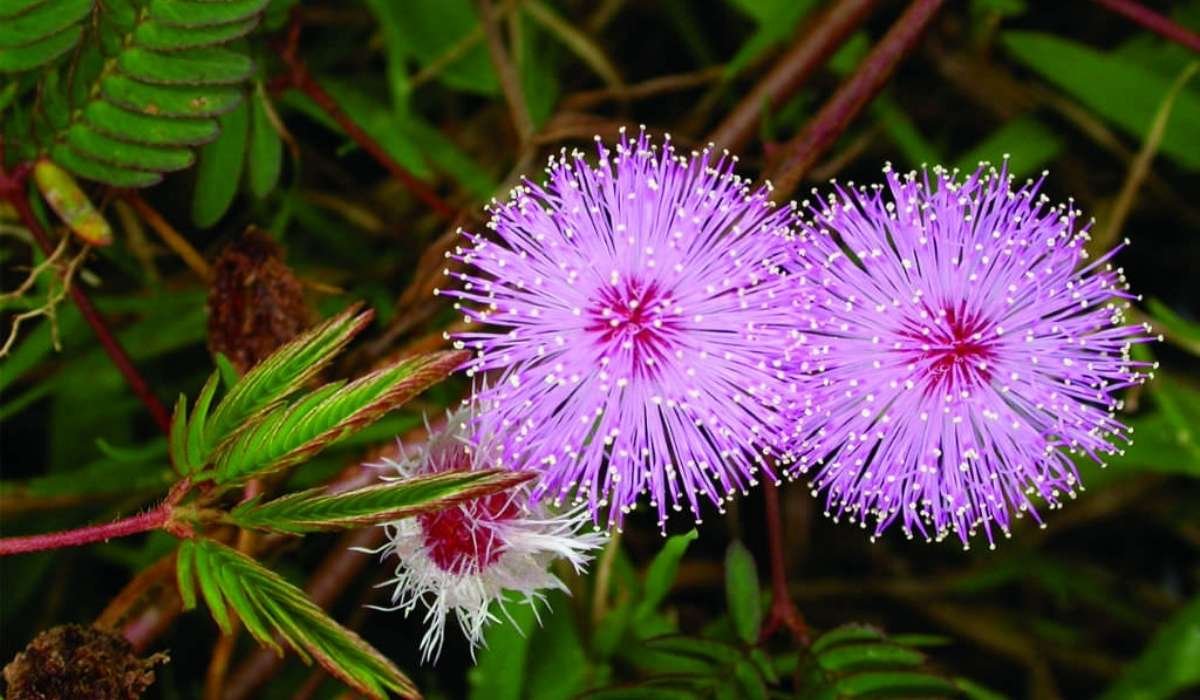
The plant known scientifically as Mimosa tenuiflora, and widely referred to as mimosa hostilis, is a fascinating perennial tree native to the northeastern regions of Brazil and parts of southern Mexico. This unique species has garnered significant attention globally due to its diverse range of applications, spanning from traditional medicine and skincare to industrial uses. Often called “Jurema Preta” in its native Brazil, the tree is highly valued for its resilience and its rich chemical profile. Understanding the multifaceted nature of mimosa hostilis allows for a deeper appreciation of its ecological significance and its long-standing cultural history.
| Quick Bio: Mimosa Hostilis | Details |
| Scientific Name | Mimosa tenuiflora |
| Common Names | Jurema Preta, Tepezcohuite, Black Jurema |
| Native Region | Brazil and Southern Mexico |
| Primary Use | Medicinal, Skincare, Dyeing, Forage |
| Key Bioactive | High tannin content, trace DMT in bark |
Botanical Classification and Characteristics
Botanically, mimosa hostilis belongs to the Fabaceae family, which is the legume family. It is a shrub or tree that can reach heights of up to eight meters. Its appearance is characterized by delicate, fern-like leaves that are finely pinnate and bright green. The tree is known for its ability to thrive in dry, nutrient-poor soils, making it a vital pioneer plant in its natural habitat. The bark of the mimosa hostilis is distinct, typically dark brown or gray with a reddish-brown interior, which is highly prized for its various applications in local industries.
Historical and Cultural Significance
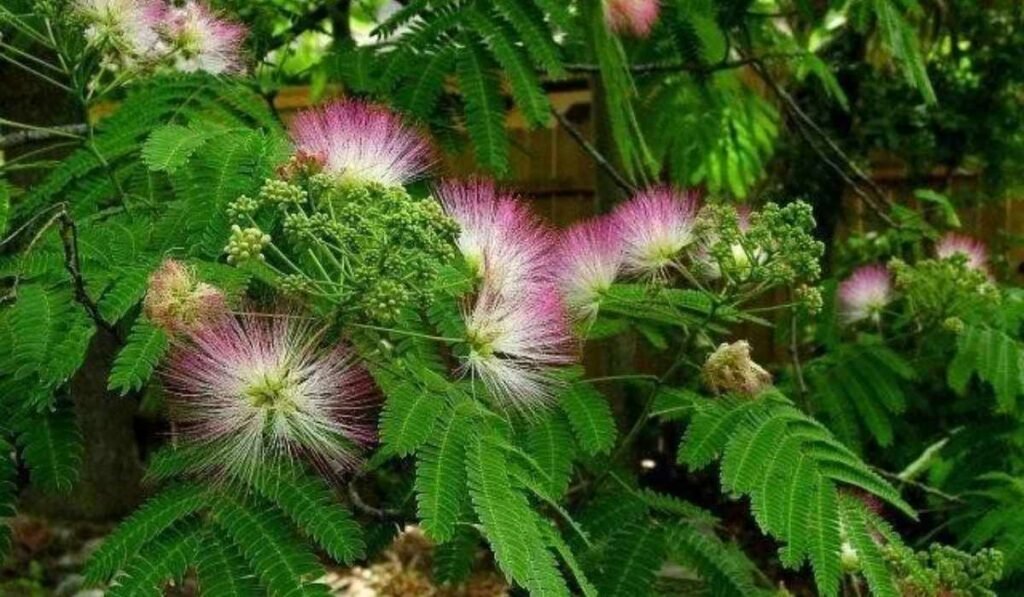
The cultural history of mimosa hostilis is deeply intertwined with indigenous communities in South America. For centuries, the bark has been utilized by the Jurema Cult in northeastern Brazil in various ceremonial and medicinal contexts. Beyond its spiritual associations, the plant has been a staple in traditional healing practices for generations. Indigenous knowledge regarding the bark and leaves of the mimosa hostilis has been passed down, highlighting its role as a versatile resource. These traditional uses have paved the way for contemporary interest in the plant, particularly regarding its regenerative properties in dermatological health.
The Versatility of Mimosa Hostilis Bark
The root bark of mimosa hostilis is arguably the most valuable part of the plant, primarily due to its high concentration of tannins. Tannins are organic compounds that serve as natural astringents and preservatives. Because of this high tannin content, the bark has been used historically for leather tanning and as a potent natural dye, producing rich shades of purple and reddish-brown. This industrial application of mimosa hostilis highlights its importance beyond traditional medicine, serving as a sustainable alternative to synthetic chemicals in various crafting and manufacturing processes across various global artisan communities.
Skincare and Dermatological Applications
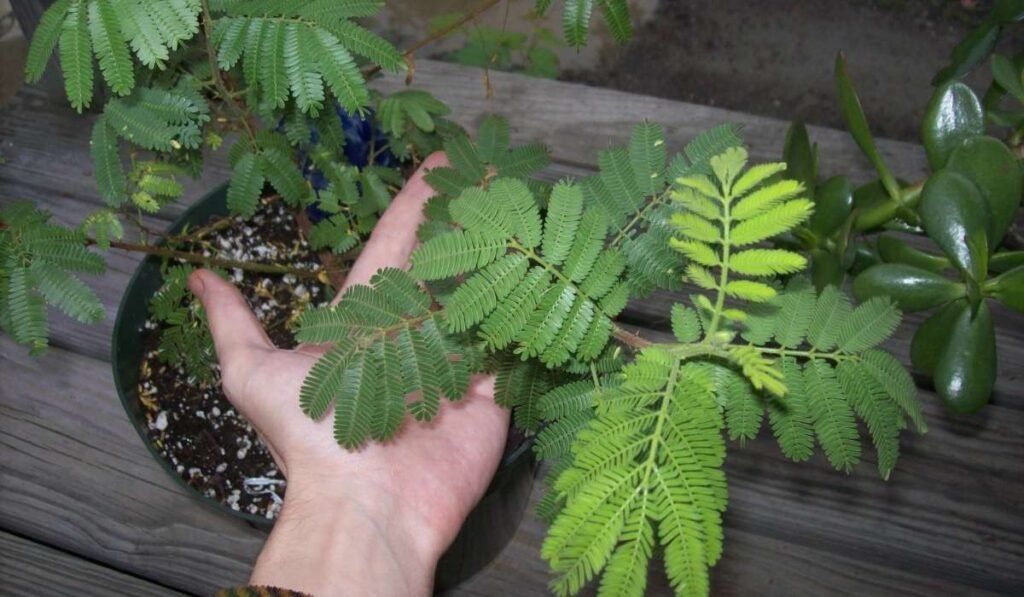
One of the most popular modern applications of mimosa hostilis is in the cosmetic industry, where it is frequently referred to as Tepezcohuite. The plant’s ability to promote skin regeneration has made it a sought-after ingredient in lotions, creams, and soaps. It is commonly used to treat minor burns, acne, and other skin irritations due to its soothing and antimicrobial properties. Many premium skincare brands now incorporate extracts of mimosa hostilis to help improve skin texture and elasticity, leveraging its natural ability to support healing and maintain overall skin health in diverse populations.
Ecological Benefits and Soil Enrichment
As a pioneer species, mimosa hostilis plays a critical role in ecological restoration. The tree is capable of nitrogen fixation, which significantly improves soil fertility in degraded areas. By shedding its leaves, it creates a nutrient-rich layer of mulch, promoting the growth of other plant species. Its deep root system also helps stabilize the land, effectively preventing erosion in regions prone to extreme weather conditions. The presence of mimosa hostilis in an ecosystem is often a sign of environmental health and serves as a vital component in reforestation projects in its native regions.
Role in Livestock Forage and Fodder
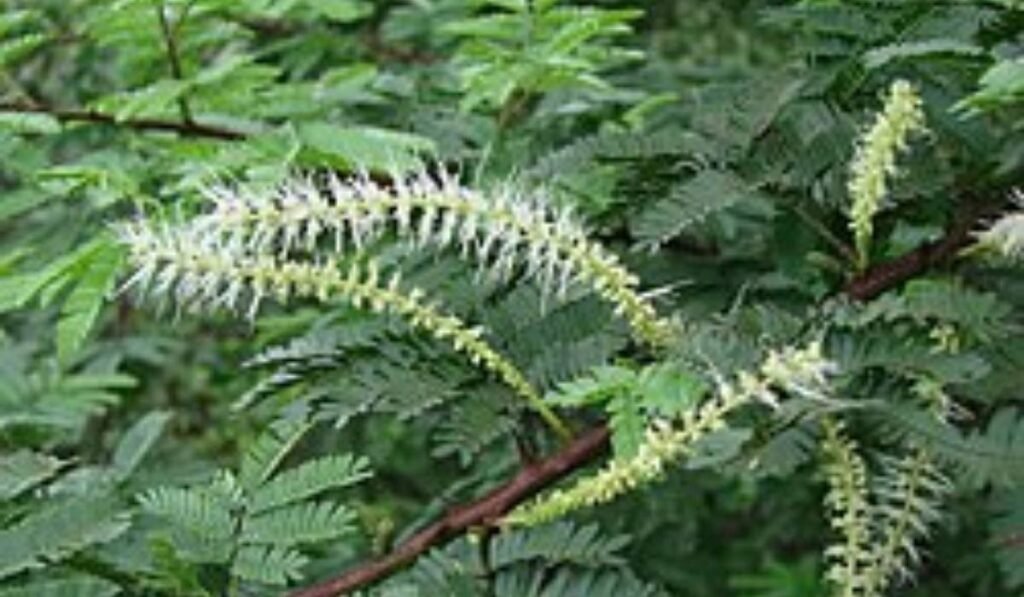
In arid regions where other food sources may be scarce, mimosa hostilis serves as a vital lifeline for local livestock. Animals such as cows, goats, and sheep readily consume the leaves and pods, which are rich in protein and essential nutrients. During drought periods, the tree remains green, providing necessary fodder that keeps herds alive. This makes mimosa hostilis an essential asset for sustainable agriculture in Brazil and Mexico. However, it is noted that while beneficial, excessive consumption should be monitored to avoid potential developmental issues in some ruminants during pregnancy, according to some reports.
Chemical Profile and Tannin Content
The chemical composition of mimosa hostilis is robust, with tannins accounting for a significant portion of the bark’s weight. These tannins not only provide medicinal benefits but also contribute to the wood’s durability, making it resistant to rot. The dense, strong wood is frequently used for building posts, furniture, and bridges, proving that the utility of mimosa hostilis extends to infrastructure. This high concentration of bioactive compounds is what makes the plant such a versatile resource, supporting various industries from heavy construction to delicate cosmetic formulations and sustainable textile dyeing processes.
Sustainability and Responsible Harvesting
With the rising global demand for mimosa hostilis, the issue of sustainable harvesting has become paramount. Because the plant is increasingly used in commercial skincare and manufacturing, there is a risk of overexploitation in its native habitat. It is crucial for consumers and businesses to prioritize suppliers who practice ethical wild-harvesting or cultivation methods. Responsible management of mimosa hostilis populations ensures that the plant continues to thrive in the wild while supporting the local economies that rely on it for sustainable income and long-term ecological balance.
The Controversy Surrounding DMT Content
It is essential to address that mimosa hostilis contains N,N-Dimethyltryptamine (DMT), a naturally occurring psychoactive substance found in its root bark. This has led to legal scrutiny in several countries where DMT is classified as a controlled substance. While the plant itself is a valuable botanical resource for dyes and skincare, its association with psychoactive compounds has resulted in complex legal classifications. In many jurisdictions, products derived from mimosa hostilis intended for cosmetic or industrial use must be processed to ensure they are free from DMT to meet local health and safety regulations.
Legal and Regulatory Landscape
The legal status of mimosa hostilis varies significantly across the globe. In some regions, the plant is freely traded for its skincare and dye benefits, while in others, the presence of DMT leads to stricter customs enforcement and import restrictions. Individuals and businesses interested in working with the plant should consult their local health authorities and legal experts to understand the regulatory environment. Staying compliant with laws regarding the trade of mimosa hostilis is necessary to ensure that it remains a legitimate and safe resource for its intended cosmetic and industrial applications.
How to Properly Use the Bark Extract
For those working with mimosa hostilis extracts for skincare or artisan crafts, proper preparation is key. For dyeing, the bark is typically boiled in water to release its rich pigments, creating a concentrated solution that can be used on natural fibers or leather. In the cosmetic sector, the dried bark is often ground into a fine powder and incorporated into emulsions or soaps. Regardless of the use, maintaining quality control is vital for the safety of the end-user. High-quality mimosa hostilis powder should be sourced from reputable suppliers to ensure it is free from contaminants.
The Significance of Mimosa in Folklore
Beyond its practical applications, mimosa hostilis occupies a special place in regional folklore. It is often celebrated for its resilience and “life-saving” capabilities during harsh seasons. The plant’s ability to “mimic” life through its sensitive foliage—a trait shared by the broader genus—has inspired stories and legends. For the local communities of northeastern Brazil, the tree is more than just a resource; it is a symbol of endurance. Understanding this symbolic value adds a rich, human element to the study of mimosa hostilis, grounding its scientific properties in the life of the people.
Potential for Future Research
Given the therapeutic potential of mimosa hostilis, scientific research into its properties continues to evolve. Preliminary studies have explored the bark’s effectiveness in treating wounds and inflammation, suggesting a bright future for its medical applications. Future research could focus on isolating specific compounds to enhance the efficacy of its use in dermatology and regenerative medicine. As we uncover more about the chemical complexity of mimosa hostilis, we may find even more innovative ways to integrate this remarkable plant into sustainable technologies and modern healthcare systems worldwide, provided it is managed responsibly.
Mimosa Hostilis in the Textile Industry
The use of mimosa hostilis in the textile industry is a growing niche for eco-conscious designers. As the fashion industry seeks alternatives to synthetic, polluting dyes, the deep purples and browns derived from this bark are gaining popularity. Textiles dyed with mimosa hostilis exhibit excellent light-fastness and a unique, natural aesthetic that appeals to consumers looking for organic products. By adopting such traditional materials, the modern textile sector can reduce its carbon footprint. The plant offers a path toward a more sustainable fashion industry that values ancient wisdom alongside modern design innovation.
Growing the Plant in Different Climates
Though native to the tropics, there is interest in cultivating mimosa hostilis in other environments. While the plant is hardy and adapts well to various soil types, its growth is optimal in warm, well-draining conditions. Propagation can be achieved through seeds or cuttings, though successful cultivation requires a deep understanding of its nitrogen-fixing capabilities and moisture requirements. Whether grown as an ornamental or for its utility, mimosa hostilis can be a rewarding species for enthusiasts who are committed to understanding the specific botanical needs of this resilient and multifaceted tree species.
Comparing Mimosa Hostilis to Other Species
The genus Mimosa contains hundreds of species, but mimosa hostilis stands out for its high tannin content and unique regenerative properties. When compared to the related Mimosa pudica, which is famous for its reaction to touch, mimosa hostilis is primarily valued for its bark. While other trees like Acacia or Albizia are also used for tannins, the specific combination of compounds found in the bark of mimosa hostilis makes it distinct. This distinction is critical for artisans and cosmetic manufacturers who rely on the specific color profile and skin-healing properties unique to this tree.
The Environmental Impact of Global Trade
The global trade of mimosa hostilis has both positive and negative implications. On one hand, it provides significant economic opportunities for rural communities in Brazil and Mexico. On the other, the demand can lead to environmental strain if not monitored. Establishing fair-trade practices is essential to ensure that the communities harvesting mimosa hostilis are compensated fairly and that the natural stands are protected. Sustainability certifications could play a role in standardizing these practices, allowing consumers to support the industry while minimizing their ecological footprint and protecting biodiversity for future generations.
Safety Precautions and Ethical Consumption
Safety should always be a priority when dealing with mimosa hostilis. Since the bark can contain alkaloids, it is generally recommended for external use only. When purchasing products containing extracts, look for labels that specify the intended use. Furthermore, ethical consumption means questioning the origins of the product. By choosing brands that are transparent about their sourcing and commit to protecting the native regions of mimosa hostilis, consumers can ensure that their purchase contributes to a positive cycle of trade rather than one that exploits the natural environment or the local people.
Final Reflections on the Plant’s Value
In conclusion, mimosa hostilis is a plant of exceptional value, representing a bridge between ancient tradition and modern utility. Whether it is used to heal a burn, color a fabric, or enrich the soil, its contributions are diverse and highly significant. While its psychoactive associations require careful legal and ethical navigation, the plant’s core benefits remain in its role as a sustainable resource for skincare and industry. Recognizing the importance of mimosa hostilis allows us to better manage this gift of nature, ensuring it serves humanity for generations to come while maintaining its ecological integrity.
Exploring Further Information
To learn more about the biological classification and current research status of this species, one can consult various botanical databases. For a comprehensive overview of its characteristics and conservation status, Wikipedia provides extensive information on its synonym Mimosa tenuiflora, including detailed botanical descriptions and its ecological role in the Brazilian “Caatinga” ecosystem. Exploring these resources helps researchers, artisans, and skincare professionals stay informed about the latest developments regarding mimosa hostilis and its many practical applications.
- What is the difference between Mimosa Hostilis and Mimosa Tenuiflora?
- They are actually the same plant, with “Mimosa tenuiflora” being the currently accepted scientific name for the synonym “Mimosa hostilis.”
- Is Mimosa Hostilis safe for skincare?
- Yes, it is widely used in skincare (as Tepezcohuite) for its regenerative and soothing properties, provided it is sourced from clean, reputable suppliers.
- Why is Mimosa Hostilis controversial?
- The root bark contains DMT, a psychoactive compound, which causes it to be strictly regulated or controlled in many countries.
- How is Mimosa Hostilis used in dyeing?
- The high tannin concentration in the bark is boiled to extract deep purple or reddish-brown pigments used for coloring fabrics and leather.
- Does Mimosa Hostilis have medicinal benefits?
- Traditionally, it has been used for wound healing, burns, and treating skin irritations due to its anti-inflammatory and antimicrobial properties.
