

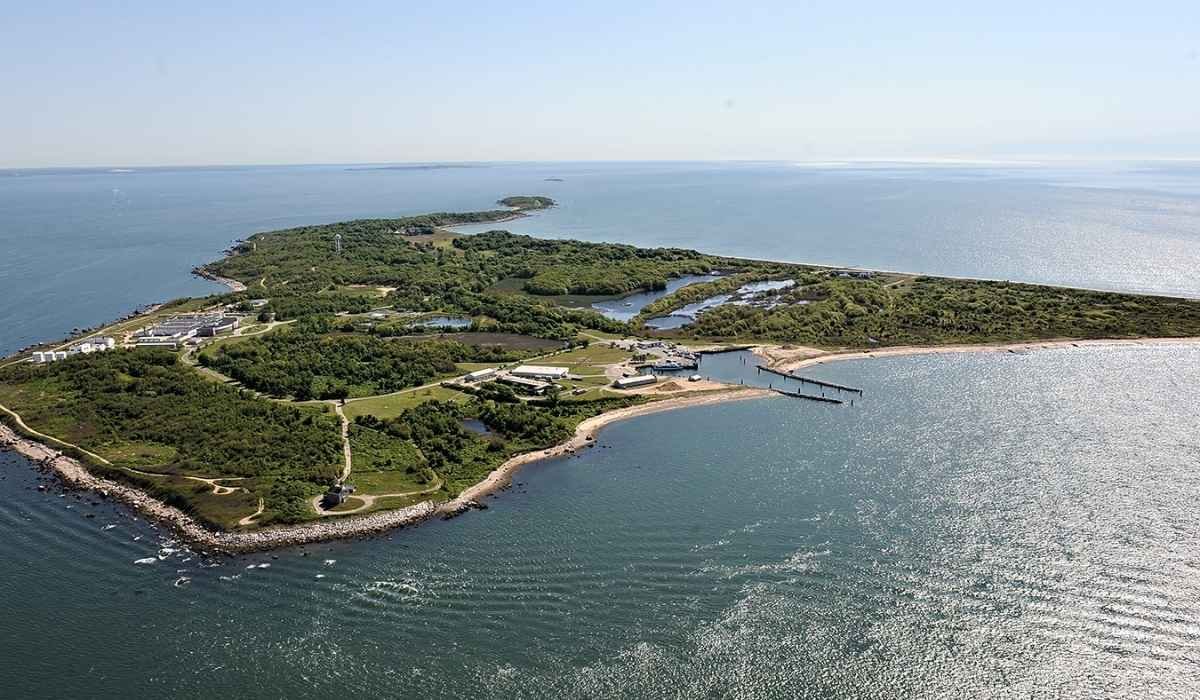
Plum Island New York stands as one of the most enigmatic locations in the United States, a 822-acre landmass nestled off the tip of Long Island’s North Fork. For decades, it has been cloaked in secrecy, serving as a high-security hub for biological research while simultaneously fueling public intrigue and wild conspiracy theories. Often described as a “hidden gem” or a “forbidden zone,” the island’s story is a complex tapestry woven with colonial history, military strategy, and cutting-edge science. As the island transitions away from federal biosecurity operations, the world watches to see what its next chapter will finally hold.
| Feature | Details |
| Location | Off the tip of Long Island’s North Fork |
| Size | 822 Acres |
| Key Facility | Plum Island Animal Disease Center (PIADC) |
| Historical Use | Military Base (Fort Terry), Research |
| Future Status | Transitioning to conservation and potential preservation |
The Colonial Origins and Indigenous Roots
Long before the modern laboratories were established, Plum Island New York was a site of deep cultural history. Indigenous peoples, specifically the Pequot Nation, referred to the area as “Manittuwond,” utilizing its resources for generations. European settlers first charted the region in the early 17th century, with the Dutch naming it “Pruym Eyelant” due to the beach plums lining its shores. Throughout the colonial era, the island changed hands multiple times, serving as a pastoral site for livestock and fishing. These early years established the island as a significant maritime landmark within the strategic waters of the Long Island Sound.
A Strategic Military Outpost during Wartime
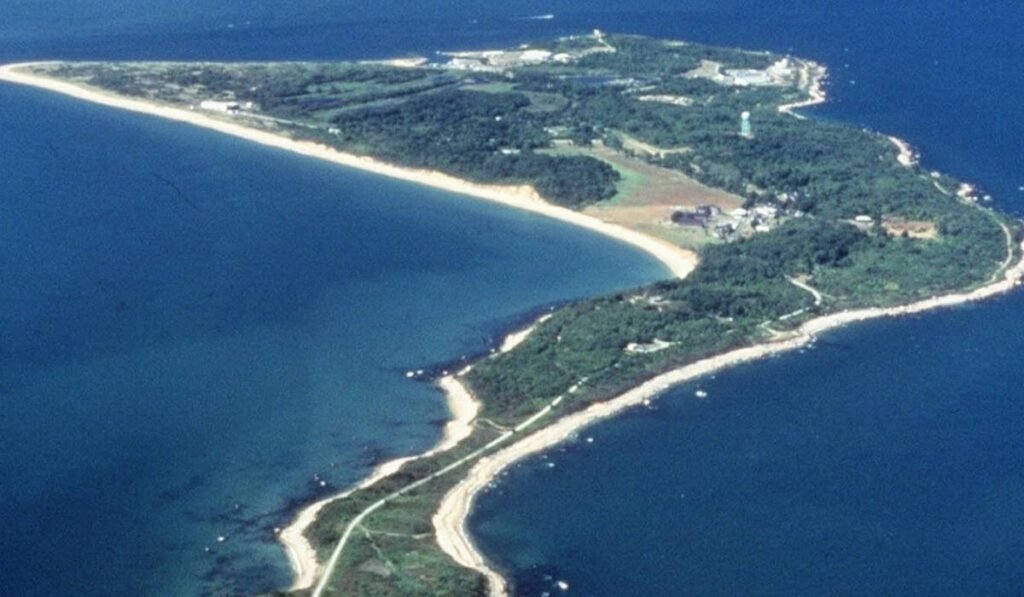
By the late 19th century, Plum Island New York underwent a dramatic transformation as the United States government recognized its strategic importance. In 1899, the U.S. Army acquired the land to construct Fort Terry, an essential part of the coastal defense system designed to protect the approaches to New York Harbor and the Long Island Sound. Equipped with large-caliber artillery, ammunition depots, and barracks, the island played a vital role during both World Wars. Fort Terry’s concrete gun batteries still stand today, serving as haunting reminders of an era when the island was the front line of domestic maritime defense.
The Birth of the Animal Disease Center
The most significant turning point for Plum Island New York occurred in 1954 when it transitioned to civilian control under the United States Department of Agriculture. The island was selected for the establishment of the Plum Island Animal Disease Center (PIADC). Its isolation made it an ideal site for studying high-consequence foreign animal diseases, such as foot-and-mouth disease, which posed a massive threat to the American livestock industry. For seventy years, the facility operated as a high-security research hub, ensuring that scientists could study deadly pathogens safely, far removed from the mainland’s dense agricultural regions and vulnerable population centers.
Deciphering the Island’s Fabled Secrecy
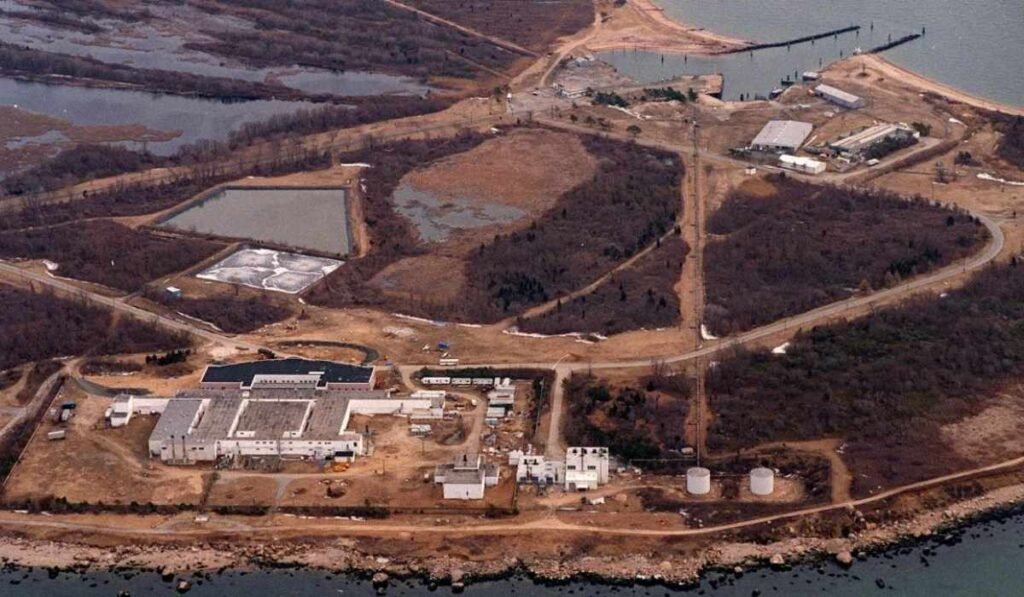
The inherent secrecy surrounding the work at Plum Island New York gave rise to decades of popular speculation. Because the facility was off-limits to the public and dealt with potentially catastrophic animal pathogens, it became a lightning rod for conspiracy theories. Books, novels, and television shows have all portrayed the island as a place where clandestine government experiments took place. While the research was indeed high-security, it was primarily focused on vaccine development and diagnostics to protect national food security. The mysterious aura remains, however, as the physical barriers of the island continue to prevent casual public access today.
Ecological Riches of a Forbidden Land
While the focus is often on the laboratories, Plum Island New York is also a remarkable ecological sanctuary. Because it has been largely untouched by large-scale development or residential housing for over seven decades, it has become a haven for wildlife. Scientists have documented hundreds of bird species, as well as significant seal haul-out areas, making it a critical habitat within the region. The island’s unique geography, including its eroding moraine slopes and pristine shores, highlights the irony of its history: a site of high-security research has inadvertently become one of the most protected natural environments in the Northeast.
The Transition to the Future
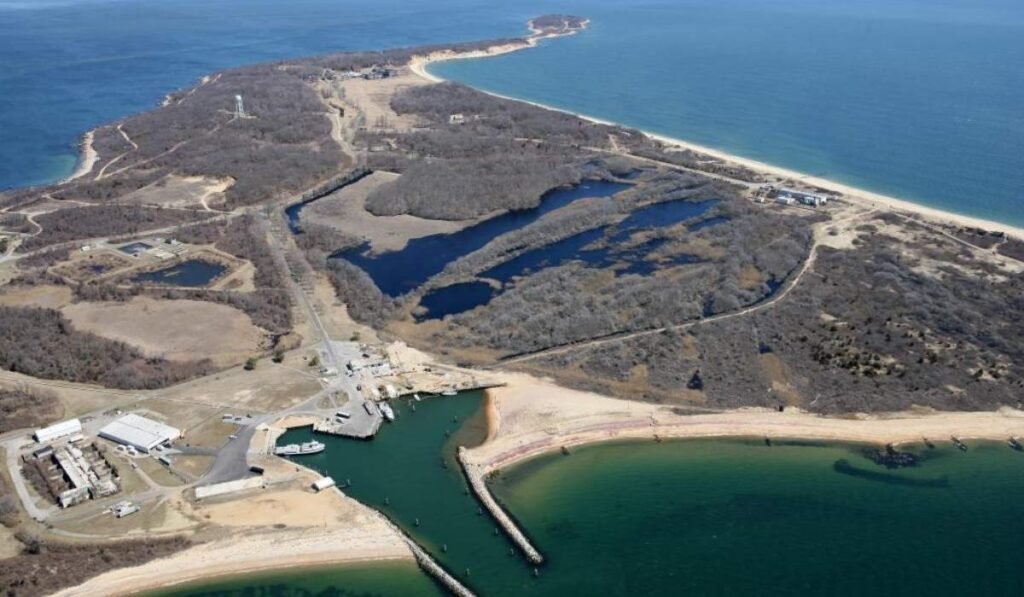
As operations at the Plum Island Animal Disease Center have reached their conclusion, the island is currently undergoing a massive decommissioning phase. Most research activities are being transferred to the new National Bio and Agro-Defense Facility (NBAF) in Kansas. This transition marks the end of an era, leaving the fate of the island’s aging infrastructure in question. Environmental remediation is a significant hurdle, as decades of scientific activity require careful cleanup to ensure the land is safe for its future, whatever that may eventually be. The decommissioning process is a long-term task that remains a central focus for federal agencies.
Congressional Action and the Blocked Sale
In recent years, the future of Plum Island New York has become a subject of intense legislative debate. Initially, there were plans to sell the island to the highest bidder to recoup government expenses. However, public outcry and environmental advocacy successfully led to a congressional amendment that blocked the private sale of the island. Instead, the law now mandates that the federal government prioritize transferring the land to other public agencies or conservation groups. This legislative victory was a major milestone for local stakeholders who have fought tirelessly to prevent the development of this unique and ecologically sensitive property.
Planning for a Post-Lab Existence
With the closure of the laboratories, discussions about how to repurpose the site have gained momentum. Various proposals have surfaced, ranging from creating a research hub for ecological study to preserving the island as a national monument. Suffolk County and other state-level stakeholders have expressed interest in assuming stewardship of the land. The goal is to balance the need for historical preservation—keeping the remnants of Fort Terry and the lab buildings—with the urgent need to protect the island’s rare and threatened wildlife. No final master plan has been adopted, but the movement toward permanent preservation is strong.
Protecting the Island as a National Treasure
Conservationists and local politicians are pushing for the permanent protection of Plum Island New York. By designating it as a national monument or a protected unit, advocates hope to ensure that the island remains a “living laboratory” of nature and history. The vision includes visitor facilities that offer educational opportunities, allowing the public to learn about the island’s role in American history, from its military past to its scientific contributions. Managed properly, the island could serve as a model for how to transform a formerly restricted federal facility into a space for public enrichment and ecological appreciation for all.
The Role of Indigenous Stakeholders
The cultural heritage of the island extends back thousands of years before the arrival of Europeans. Indigenous stakeholders are increasingly being consulted in the planning process for the future of the land. Ensuring that the Pequot and other local tribes have a seat at the table is essential for a full reckoning of the island’s history. Advocates suggest that a future monument or park should honor the people who originally stewarded this land. This inclusive approach would allow the island to tell a more complete story, encompassing thousands of years of human interaction rather than just the last century.
Challenges in Environmental Restoration
Before any public visitation can occur, the island faces significant environmental challenges. Decades of laboratory work and the presence of older military infrastructure mean that there is likely some level of contamination that needs to be addressed. The cleanup process must be thorough to ensure that the soil and coastal waters are safe for both the public and the local wildlife populations. This environmental restoration is a massive undertaking that will likely shape which parts of plum island new york the island can be utilized and what areas might need to remain strictly protected to allow nature to thrive undisturbed.
Evaluating the Infrastructure of Fort Terry
The remnants of Fort Terry offer a unique opportunity for historical interpretation. These structures represent a critical time in American maritime defense, and many preservationists believe they should be stabilized and preserved. Converting the old military buildings into educational spaces or museum sites could provide visitors with a deeper understanding of the geopolitical shifts that once defined this region. While stabilizing crumbling concrete is expensive, plum island new york the historical value of these sites is immense. The preservation of these landmarks is a key component of the ongoing dialogue between historical societies, federal agencies, and environmentalists who all have an interest here.
Collaborative Stewardship and Management
Managing a property like Plum Island New York will likely require a partnership between multiple agencies. Since no single entity may have the resources to handle both the ecological monitoring and the historical restoration, a multi-layered approach is being explored. plum island new york A “public-philanthropic partnership” could engage the federal government, state authorities, and local non-profits to create a sustainable management plan. This collaboration would ensure that the island is cared for in perpetuity, preventing it from ever being vulnerable to private development again. The complexity of this situation is exactly what makes the planning process so lengthy and nuanced.
Public Interest and Educational Value
The curiosity surrounding Plum Island New York is not expected to dissipate anytime soon. Even as the research center closes, the intrigue remains. Educational programs that explain the island’s scientific and historical significance could turn this curiosity into a valuable resource. plum island new york By offering guided tours or limited access programs, authorities could foster a greater appreciation for the site’s natural beauty. The challenge, however, will be managing visitation so that it does not disrupt the delicate ecosystems that have formed during the island’s decades of isolation. Balancing access with conservation will be the primary challenge for the future managers.
Monitoring Rare and Endangered Species
A significant part of any management plan must include ongoing biological monitoring. As the island transitions, researchers need to ensure that the activities of any future visitors do not harm the rare species that have thrived in the absence of human interference. Long-term studies could provide valuable data on how ecosystems recover and flourish when protected. plum island new york The island serves as a unique case study in conservation biology, and its role as a research site could transition from animal disease to environmental health, effectively keeping its status as a “living laboratory” in a much more benign and positive way.
Understanding the Local Economic Impact
The future status of the island also holds significance for the local economy. While it is not being developed into a commercial tourist attraction, the potential for managed, sustainable visitation could provide a modest boost to the surrounding communities of the North Fork. plum island new york Local tourism and historical education are strong pillars of the area’s economy, and integrating the island into this network could be highly beneficial. Community leaders are focused on ensuring that any future use of the island remains respectful of the quiet, rural character of the North Fork and Orient Point.
The Need for Bipartisan Political Consensus
Moving this massive preservation project forward requires significant political will. To date, there has been a notable amount of bipartisan support, with members of Congress from both New York and plum island new york Connecticut working together to protect the island. Maintaining this momentum is crucial. As legislative sessions come and go, keeping Plum Island New York on the agenda for permanent protection is a priority for environmental coalitions. The fact that the island has managed to survive the threat of sale to private developers is a testament to the power of concerted, grassroots, and high-level political advocacy.
The Lessons of Plum Island
The story of this island teaches us much about the relationship between government secrecy, national security, and environmental stewardship. It is a cautionary tale about the unintended consequences of restricted access, but also an inspiring story about the resilience of nature. Whatever its future holds, the island will remain a symbolic site for the region. Its transformation plum island new york from a military fort to a biosecurity lab, and eventually into a potential sanctuary, mirrors the broader evolution of how society values both progress and preservation. The journey of this unique site is truly far from over.
The Continuing Role of Scientific Inquiry
Even after the labs close, the island’s history as a place of scientific endeavor will continue to be studied. Future researchers may look back at the work done there to understand how foreign animal diseases were managed in the 20th century. By maintaining the plum island new york historical archives and some of the laboratory structures, the site can serve as a testament to the rigorous, often dangerous work performed by the scientists who were based there. Ensuring that this scientific legacy is properly recorded is just as important as protecting the land itself, as it represents a key part of our history.
Final Reflections on the Island’s Future
As we look toward the final closure of the research facilities, the people of New York and the nation stand at a crossroads. Plum Island New York has served its purpose for the federal government, but its real value may lie in the decades to come. By protecting the land, respecting its history, plum island new york and ensuring its ecological health, we can secure a legacy that honors both the past and the future. The island is more than just a piece of property; it is a shared treasure that belongs to the American people, and its preservation is a responsibility we must all take seriously.
- What was the original purpose of Plum Island New York?
- The island was originally used for agriculture and fishing in the colonial era, later becoming a strategic military base and finally a high-security animal disease research center.
- Is Plum Island New York currently open to the public?
- No, the island remains closed to the public due to its history as a high-security research site and ongoing environmental remediation efforts.
- Will the research facilities on the island remain in use?
- No, operations are being phased out and transferred to the National Bio and Agro-Defense Facility in Kansas, with all research on the island ending by 2026.
- Why was the sale of Plum Island New York blocked?
- Public opposition and environmental advocacy led Congress to pass legislation preventing the sale of the island to private developers, prioritizing its preservation instead.
- What is the future outlook for the island?
- Efforts are currently underway to permanently protect the island as a conservation area or national monument to safeguard its ecological and historical resources.
