

Managing hair loss is a journey that starts with understanding the complex cycle of your hair production. Most people naturally lose between 50 and 100 strands of hair daily, but when this cycle is disrupted, it leads to noticeable thinning or patches. Whether triggered by genetics, stress, or nutritional deficiencies, proactive care is essential. By addressing the root cause early, you can often slow progression and support your follicles in regrowing stronger, healthier strands. This guide explores the most effective strategies, from medical interventions to lifestyle adjustments, helping you take control of your scalp health and regain your confidence today.
| Quick Bio | Details |
| Topic | Managing Hair Loss |
| Primary Goal | Slow progression, stimulate regrowth, and improve scalp health |
| Key Strategies | Medical treatments, nutritional support, and gentle hair care |
| Success Factors | Consistency, early diagnosis, and addressing underlying causes |
Understanding the Hair Growth Cycle
Every strand of hair on your scalp follows a specific biological cycle consisting of three main phases. The anagen phase is the active growth period, which can last for several years. Following this, the catagen phase lasts about 10 days, during which hair stops growing and separates from the follicle. Finally, the telogen phase involves a resting period of two to three months before the hair falls out to make room for new growth. When this natural rhythm is interrupted or follicles are damaged, hair may fall out faster than it regenerates, leading to thinning or baldness.
The Role of Genetics in Pattern Baldness
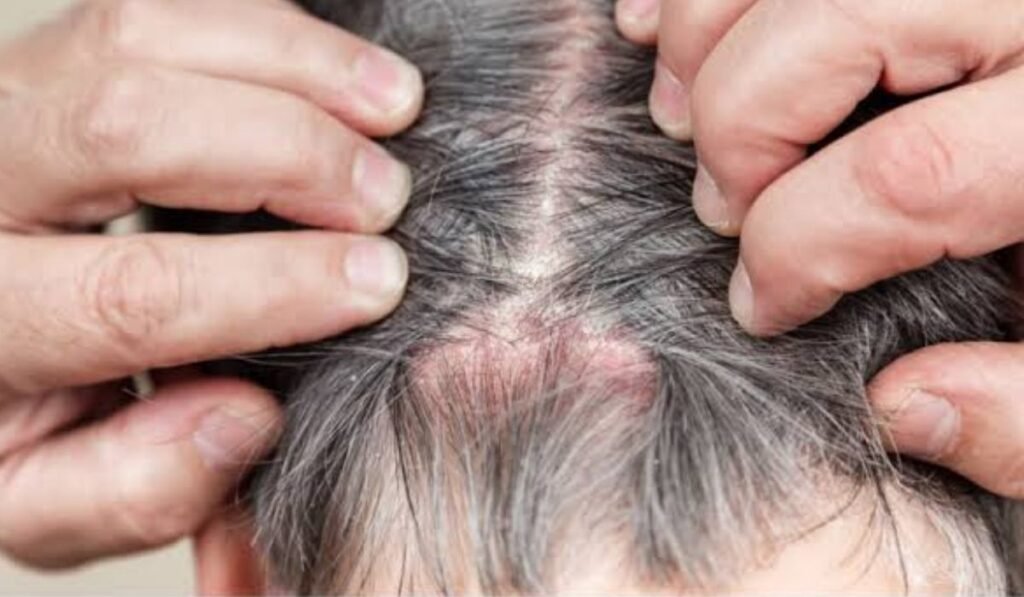
Genetics are the most common driver of hair thinning, particularly in androgenetic alopecia. This condition, often referred to as male or female pattern hair loss, affects millions of people globally. In men, it typically starts with a receding hairline and thinning at the crown, while women often experience diffuse thinning across the entire scalp. While these changes are hereditary, understanding your family history can help you anticipate potential thinning. While you cannot change your genes, modern medicine offers several ways to manage these hormonal sensitivities and maintain the hair you currently have for much longer.
Identifying Nutritional Deficiencies
Your hair follicles are essentially made of keratin, a protein that requires specific nutrients to thrive. Deficiencies in vital minerals like iron and zinc, or vitamins like biotin, can significantly impact your hair’s strength and growth rate. A balanced diet rich in protein, such as eggs, fatty fish, and avocados, provides the building blocks necessary for healthy strands. If you suspect your hair thinning is related to your diet, consult a doctor for blood tests before starting supplements. Taking excessive amounts of vitamins without a diagnosed deficiency can sometimes do more harm than good for your scalp.
Stress and Telogen Effluvium

Emotional or physical stress can trigger a condition known as telogen effluvium, where a significant number of hair follicles are pushed into the resting phase prematurely. Events like surgery, major illness, or significant life stress are common culprits. This type of shedding is usually temporary, and hair often regrows once the stressor is removed or the body heals. Managing stress through practices like yoga or consistent sleep routines can support your body’s recovery. If your hair does not begin to regrow after several months, it is advisable to see a dermatologist to rule out other underlying conditions.
The Power of Topical Minoxidil
Minoxidil is one of the most widely used over-the-counter treatments for managing hair loss. Available in liquid, foam, or shampoo forms, it works by increasing the duration of the anagen growth phase and stimulating follicles to produce thicker hair. For best results, it should be applied to the scalp daily—once for women and twice for men. While it may take at least six months to see noticeable results, consistency is vital. Some users experience initial shedding as the follicles transition to a new growth phase, but long-term use is usually required to retain any regrowth achieved.
Prescription Options for Men
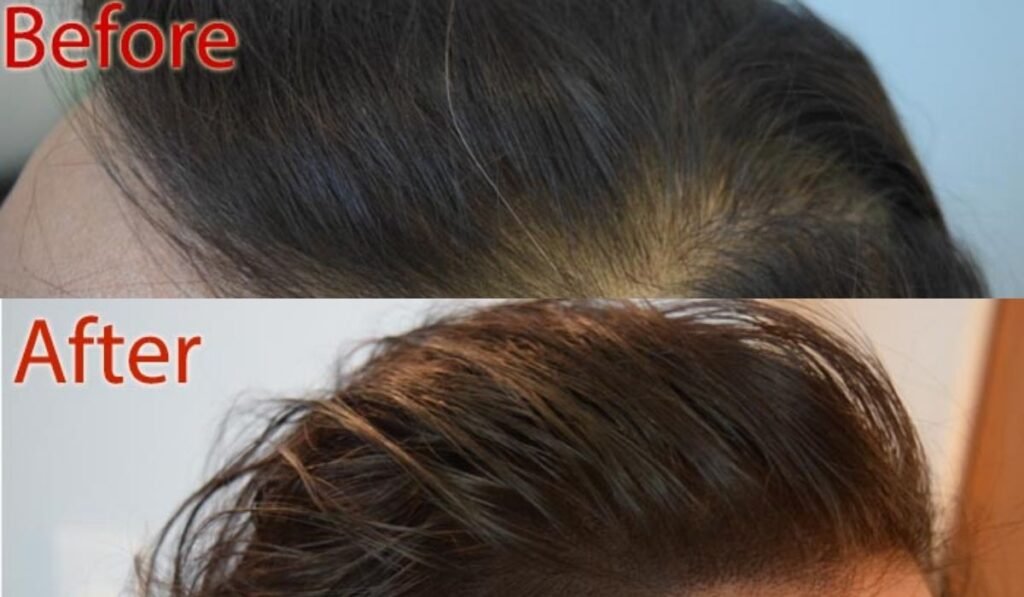
For men dealing with pattern baldness, finasteride is a common prescription medication that inhibits the production of dihydrotestosterone (DHT), a hormone that shrinks hair follicles. By slowing the rate of loss, many men find they can maintain their current density or even see new growth. It is typically taken once daily and may require several months of consistent use to see significant changes. Hair Loss As with many treatments, results are maintained only as long as you continue the medication. Always discuss potential side effects, such as impacts on sexual function, with your doctor before starting this prescription treatment.
Gentle Hair Care Routines
Your daily grooming habits play a significant role in preventing breakage and unnecessary shedding. Using a mild shampoo and avoiding harsh chemical treatments, such as aggressive dyes or perms, Hair Loss can protect the hair shaft from becoming brittle. When washing, treat your hair and scalp gently to avoid pulling at the roots. If possible, let your hair air-dry rather than using heat styling tools like irons, which can weaken the hair over time. Simple changes, like avoiding tight braids or ponytails that pull on the scalp, can significantly reduce the mechanical stress that leads to hair thinning.
The Benefits of Scalp Massage
Scalp massage is a simple, low-cost habit that may support hair health. By stimulating the scalp, you encourage blood flow to the hair follicles, which may provide them with the oxygen and nutrients needed for growth. While research is ongoing, many people find it a relaxing addition to their routine that helps reduce stress. Pairing a gentle massage with natural oils, such as rosemary or peppermint, may offer additional benefits, though these should be used sparingly. Consistent, light-pressure massages can make the scalp feel healthier and might help maintain the environment needed for consistent, Hair Loss steady hair growth.
Professional Hair Restoration Surgery
For those seeking more permanent solutions, hair transplant surgery remains a gold-standard option. This procedure involves moving hair follicles from the back of the head—an area typically resistant to balding—to thinning or bald spots. While it is a significant investment and requires recovery time, Hair Loss the results are often very natural-looking. It is important to note that hereditary hair loss may continue in other areas, so many surgeons recommend using medical treatments alongside surgery to maintain the hair you have. Consult a qualified dermatologist to see if you are a good candidate for this restorative procedure.
Exploring Platelet-Rich Plasma (PRP)
Platelet-rich plasma therapy is an innovative procedure that uses your own blood to stimulate hair follicles. During the session, a sample of your blood is processed to separate the platelet-rich plasma, which is then injected into the scalp. These platelets are concentrated with growth factors thought to revitalize dormant follicles and improve density. Research suggests that a series of treatments can lead to noticeable improvements in thinning areas. While it is an investment and not always covered by insurance, Hair Loss it offers a non-surgical alternative that has gained popularity for its potential to naturally enhance existing hair growth.
Managing Autoimmune-Related Hair Loss
Conditions like alopecia areata are autoimmune disorders where the immune system mistakenly attacks hair follicles. This can result in smooth, round bald spots on the scalp or elsewhere on the body. Because the cause is internal, treatments often focus on modulating the immune response or reducing inflammation in the affected areas. Steroid injections or topical creams are common approaches to manage these patches. If you suspect an autoimmune trigger, Hair Loss see a dermatologist to get an accurate diagnosis. Managing these conditions early can help reduce the size of bald spots and protect the health of your remaining hair.
Environmental Protection for Hair
The sun’s UV rays and environmental pollution can damage the hair shaft and scalp, leading to dryness and breakage. Protecting your hair with a hat when outdoors for long periods or using products that offer UV protection can keep your hair healthier. Additionally, keeping your scalp clean by washing it regularly removes debris and excess oil that could potentially clog follicles. A healthy scalp is the foundation of healthy hair. By treating your scalp with the same care you would your skin, you create the best possible conditions for your hair to grow long and strong.
The Link Between Inflammation and Hair Loss
Chronic inflammation is increasingly recognized as a factor in various types of hair loss. Whether caused by skin conditions or systemic issues, inflammation can damage the follicle and hinder growth. Anti-inflammatory approaches, including dietary changes and, in some cases, targeted medications, may help manage the underlying cause. If you notice signs of redness, itching, or swelling on your scalp, do not ignore them. Addressing scalp inflammation early can prevent the damage from becoming permanent. A professional evaluation can help determine if your hair loss is linked to inflammatory processes that require specialized treatment.
Considering Laser Therapy
Low-level laser therapy, or red light therapy, is a non-invasive option for managing hair loss. These devices work by emitting light energy that may stimulate stem cells in the hair follicles, encouraging them to enter the growth phase. Many home devices are available, though they require consistent, regular use to be effective. While results vary, studies suggest it can improve density in some people with genetic thinning. It is often used as a supplementary treatment alongside minoxidil or other therapies. If you are interested, look for FDA-cleared devices and consult your doctor to ensure it is appropriate for you.
The Importance of Professional Diagnosis
One of the most common mistakes is self-diagnosing the cause of your thinning hair. Because there are so many different types of alopecia—each requiring different approaches—a visit to a dermatologist is essential. They can perform a scalp examination or blood tests to pinpoint whether your issue is hormonal, nutritional, or related to an underlying disease. Getting an accurate diagnosis saves you time and money, ensuring you don’t spend years on treatments that aren’t actually targeting the root of your specific hair loss. Your scalp health is a medical concern, and professional guidance is your best resource.
Natural Oils and Scalp Health
Many natural oils, such as coconut and olive oil, have been used for centuries to support hair and scalp health. Coconut oil, in particular, may help prevent protein loss in the hair shaft, while olive oil is an excellent deep conditioner that can protect against dryness and breakage. These can be applied as a pre-wash treatment, left on for about 30 minutes, and then rinsed out thoroughly. While they may not cure genetic baldness, they significantly improve the look and feel of your hair, reducing the appearance of thinning by keeping each strand hydrated and less prone to snapping.
Managing Hair Loss During Recovery
If you have experienced hair loss due to illness, medication, or surgery, it is important to be patient during the recovery phase. In many of these cases, the loss is temporary, and hair will naturally begin to regrow once your body has returned to health. Focus on nourishing your body with high-protein foods, staying hydrated, and managing stress as you heal. Avoid harsh styling during this time to give your follicles the best environment to recover. Most importantly, consult your doctor to monitor your progress and ensure that your health is returning to its baseline levels.
Hormonal Balance and Female Thinning
For women, hormonal fluctuations during life events like childbirth, menopause, or thyroid disorders can trigger hair thinning. In these cases, treatment may involve addressing the underlying hormone imbalance through medical interventions, such as birth control or spironolactone, under a doctor’s guidance. Because hormones play such a complex role in hair cycles, balancing these levels often leads to stabilization and potential regrowth. If you notice sudden thinning after a significant hormonal shift, it is worth discussing these changes with your healthcare provider to explore targeted medical solutions that can help restore your hair density.
Patience and Consistent Maintenance
Managing hair loss is rarely a quick fix; it is a long-term commitment. Whether you choose medication, lifestyle changes, or professional treatments, you must maintain a consistent routine to see results and retain them. Expecting instant regrowth is a recipe for frustration. Most treatments require at least four to six months before you can judge their effectiveness. Stay patient, keep track of your progress with photos, and adjust your plan with your doctor if necessary. By maintaining a steady, disciplined approach, you give your follicles the best possible chance to grow and hold onto your hair.
Choosing Confidence and Acceptance
While managing your hair health is a proactive and positive step, it is also important to remember that your worth is not defined by your hair. If thinning progresses despite your best efforts, many people find peace and confidence by embracing new styles or exploring options like high-quality wigs or scalp micropigmentation. Joining support groups for people experiencing similar issues can also provide emotional relief and community. Ultimately, taking control of your health—and accepting your journey—is the most empowering way to live. Your path to managing hair loss is unique, and you have many options to support your well-being.
- What is the most common cause of hair loss?
- Androgenetic alopecia, or pattern hair loss, is the most common cause, affecting millions of men and women due to genetics and hormonal sensitivity.
- When should I see a doctor about hair thinning?
- You should see a doctor if you notice sudden, patchy, or excessive shedding, as this could indicate an underlying medical condition or nutritional deficiency.
- Does washing hair daily cause it to fall out?
- No, washing daily with a mild shampoo keeps the scalp healthy; however, harsh scrubbing or chemicals can cause breakage and lead to thinning.
- Can supplements really regrow hair?
- Supplements can help if you have a documented nutritional deficiency, but for most people, there is no conclusive evidence that they regrow hair without an underlying need.
- Is hair loss permanent?
- Some forms, like pattern baldness, are progressive, but many other types, such as telogen effluvium, are temporary and can be fully reversed once the trigger is resolved.
