

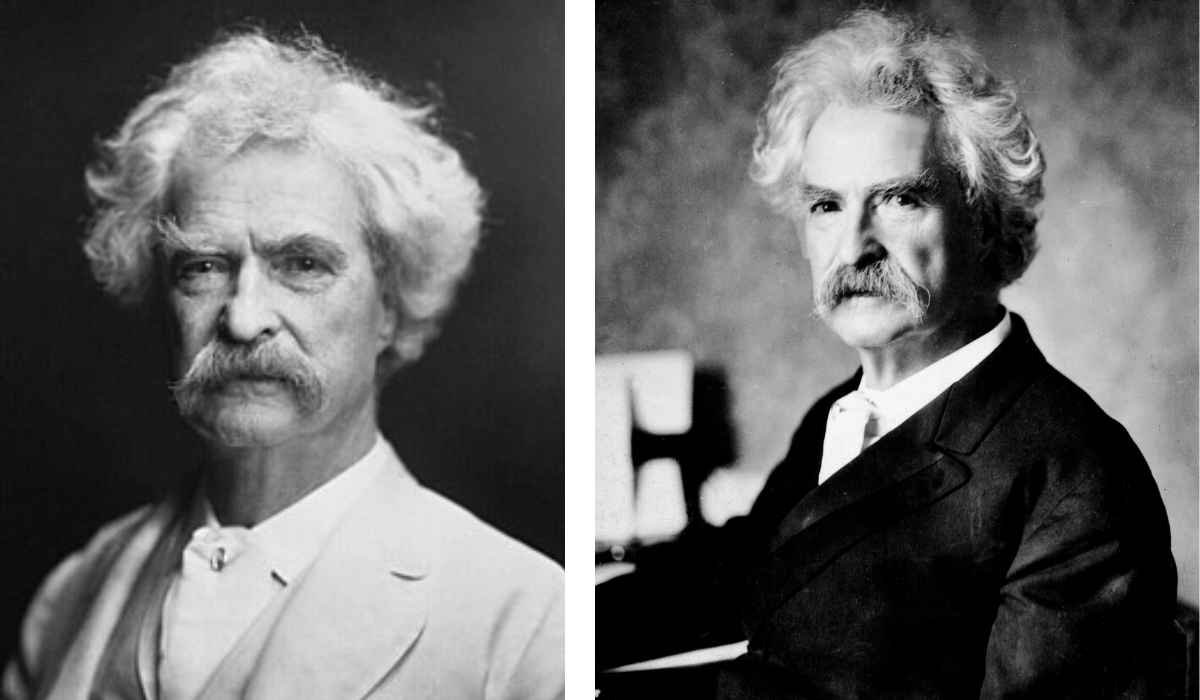
The landscape of American literature, social satire, and narrative storytelling during the nineteenth century owes an immeasurable debt of gratitude to the brilliant literary genius of Mark Twain, whose unforgettable characters completely transformed the global literary world. During a time when traditional American writing often imitated stiff European conventions, this remarkable author rose to prominence with a voice rooted in sharp vernacular humor, satirical critique, and unyielding social conscience.
By exposing the absurdities of human nature and the deep moral corruption of slavery through gripping regional novels, he demonstrated that literature could be effectively harnessed to create powerful cultural reflections that revolutionized global publishing, humor, and modern prose. His life remains a guiding light for anyone striving to fight hypocrisy through storytelling.
Quick Bio Snapshot
- Full Name: Samuel Langhorne Clemens (pen name Mark Twain)
- Lifespan: November 30, 1835 – April 21, 1910
- Key Role: American author, humorist, entrepreneur, and lecturer
- Major Achievement: Master novelist of the American literary realism movement who created iconic works like The Adventures of Tom Sawyer and Adventures of Huckleberry Finn
Early Life and Childhood Roots of Mark Twain
The journey of Mark Twain began in the small river town of Florida, Missouri, before his family relocated to Hannibal, Missouri, along the majestic banks of the Mississippi River. Growing up in a slave-holding community amidst the bustling steamboat trade, young Samuel Clemens absorbed the colorful dialects, superstitions, and characters of the American frontier. These formative years planted the seeds of a lifelong fascination with river life and human eccentricity. Following the sudden death of his father, he left school at a young age to work as a printer’s apprentice, laying a strong journalistic foundation that prepared him for an extraordinary literary career.
Steamboat Piloting and the Origin of His Pen Name
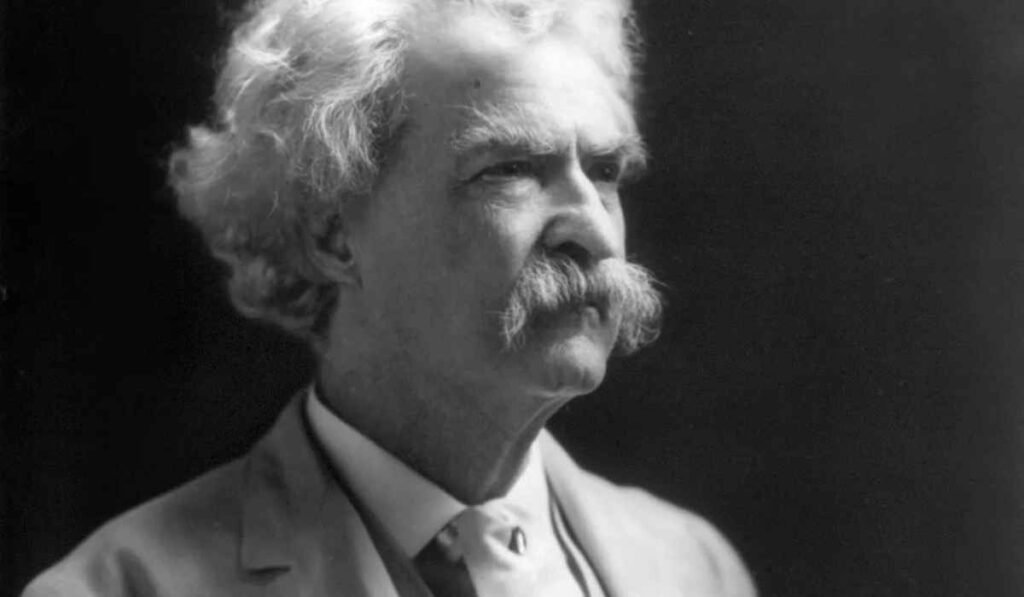
Professional development took Mark Twain onto the mighty Mississippi River as a licensed steamboat pilot, navigating treacherous river currents during the golden age of riverboat travel before the outbreak of the American Civil War. This thrilling occupation provided him with an encyclopedic knowledge of human nature and river navigation, which he later immortalized in his memoir Life on the Mississippi. It was during his stint as a western newspaper reporter in Nevada that he adopted his famous pen name Mark Twain, a riverboating term indicating safe water two fathoms deep. This colorful pseudonym launched his professional writing career, establishing him as a rising western humorist.
The Literary Breakthrough of The Celebrated Jumping Frog
Literary recognition arrived for Mark Twain when his witty short story The Celebrated Jumping Frog of Calaveras County was published nationally in 1865, capturing the imagination of readers coast to coast. Utilizing authentic American vernacular humor rather than formal Victorian English, he introduced a distinct regional storytelling style that resonated deeply with the public. Lecturing widely across the United States and Europe, he dazzled audiences with his deadpan delivery and razor-sharp wit. This meteoric rise transformed Mark Twain from a regional western journalist into an international literary celebrity, sparking a mass readership culture centered around American humor.
The Timeless Childhood Classics: Tom Sawyer and Huckleberry Finn
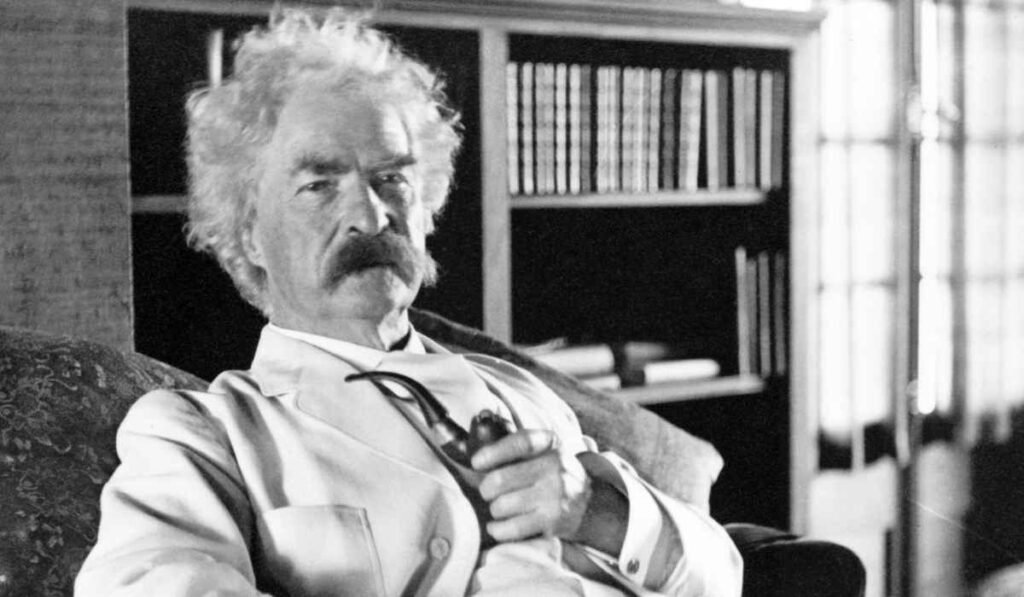
Masterpieces of American literature were born when Mark Twain published The Adventures of Tom Sawyer in 1876, followed by its monumental sequel Adventures of Huckleberry Finn in 1884. Through the unforgettable boyhood adventures along the Mississippi River, he captured the pure joy of youth while simultaneously launching a scathing moral critique of racism, religious hypocrisy, and societal cruelty. Ernest Hemingway famously declared that all modern American literature came from this single book. The publication secured the status of Mark Twain as a fearless social satirist using his literary platform to challenge systemic injustice.
Travel Writing and Global Cultural Commentary
Expanding artistic horizons took Mark Twain across the globe as a pioneering travel writer, chronicling his oceanic voyages and European tours in best-selling books like The Innocents Abroad and A Tramp Abroad. Blending biting sarcasm with genuine historical curiosity, he mocked self-important tourists, religious relics, and pompous European monarchies while championing American democratic ideals. This critical acclaim proved that Mark Twain possessed an extraordinary capacity to combine thrilling travel entertainment with profound philosophical critique of imperialism and cultural prejudice.
Later Philosophical Writings and Dark Satire
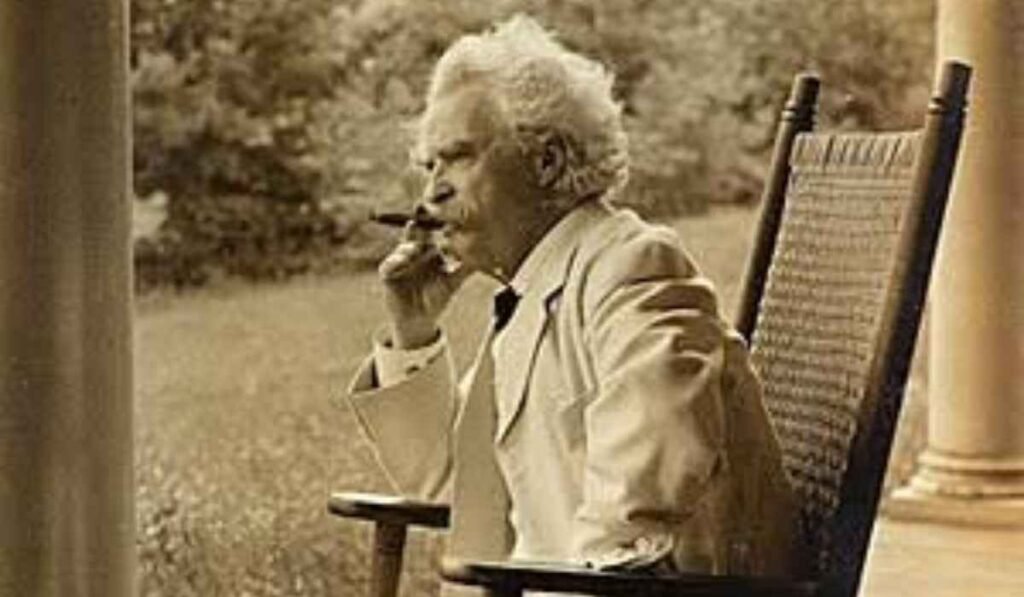
Personal financial ruin caused by disastrous investments in typesetting inventions, combined with devastating family losses, led Mark Twain to pen increasingly dark, cynical masterpieces during his later years, including Pudd’nhead Wilson and Letters from the Earth. Questioning the fundamental nature of humanity and organized religion, his late essays revealed a deeply disillusioned thinker who viewed mankind as the lowest of animals. Yet, even in his darkest satires, his brilliant humor shone through. This complex philosophical evolution proved that the storytelling genius of Mark Twain reflected the profound existential anxieties of the industrial age.
Public Lecturing and Global Celebrity Status
Commanding international attention through his iconic white suits, unruly white hair, and theatrical public lecture tours, Mark Twain evolved into one of the most recognizable global celebrities of the late nineteenth century. Traveling across the British Empire and Europe to pay off his crushing debts, he performed humorous monologues and dramatic readings before thousands of adoring fans. However, this grueling touring schedule took a severe physical toll on his aging body. The timeless cultural legacy of Mark Twain continued to expand as his public persona grew larger than life.
Work Ethic and Journalistic Dedication
Exerting exceptional levels of professional dedication, Mark Twain wrote tirelessly in his study for hours every single day, producing countless essays, novels, autobiographical dictations, and journalistic dispatches. His obsessive writing routine and relentless editorial oversight set an unmatched historical benchmark for literary productivity in American letters. Whether analyzing political corruption or drafting historical fiction, Mark Twain viewed writing as an urgent moral and economic duty, instilling a professional standard that remains a gold standard for authors across the globe.
The Declining Health and Passing of Mark Twain
The earthly journey of Mark Twain drew to a close on April 21, 1910, when a heart attack claimed his life at his Stormfield estate in Redding, Connecticut, at the age of seventy-four, following a life marked by profound personal grief and triumph. News of his passing plunged the United States and the global literary community into an immediate state of national mourning and profound grief. In accordance with his wishes, he was laid to rest in Elmira, New York. The peaceful passing of Mark Twain transformed him into an immortalized literary myth, sealing his place among the greatest humorists in human history.
Global Mourning and Tributes to a Literary Titan
Witnessing the unprecedented wave of public mourning following his passing revealed the profound emotional connection that Mark Twain held with ordinary readers worldwide whose lives he had touched through his stories. Newspapers printed black-bordered tributes, and world leaders praised his monumental contributions to global letters. The monumental memorial tributes organized across nations drew fans worldwide, all united in grief. This collective outpouring demonstrated that Mark Twain was not just a novelist, but a globally cherished champion of free expression and democratic ideals.
Cultural Impact and Global Legacy
Decades after his death, the cultural impact of Mark Twain remains vividly alive in global memory, academic syllabi, cinematic adaptations, and literary societies established in his name. Museums dedicated to his Hartford home continue to educate visitors about American history worldwide. The narrative blueprint left by his career changed how modern authors approach regional dialect, authentic dialogue, and social commentary. His enduring message reminds humanity that true artistic greatness requires moral purpose, boundless humor, and an unshakeable connection to the human soul.
Modern Relevance and Timeless Humanitarian Teachings
Contemporary activists and novelists frequently look back to the social conscience of Mark Twain for inspiration when confronting modern racial injustice, political corruption, and institutional hypocrisy. As new generations discover his classic novels through digital publishing and educational curricula, the relevance demonstrated by his career provides a reliable roadmap for using satire as a vehicle for social change. Honoring his memory requires more than nostalgic remembrance; it demands active participation in free speech advocacy, educational reform, and defending human dignity just as he did throughout his extraordinary life.
Inspiring Future Generations of Global Writers
The ongoing realization of the literary ideals championed by Mark Twain rests heavily upon the shoulders of emerging authors, humorists, and creators across the globe. Literary academies continually introduce young minds to his timeless plots, ensuring that the foundational values of stylistic clarity and social justice are passed down. Each individual who chooses honest storytelling over pretentious artifice helps fulfill the vision once embodied by his western journalistic dispatches. The journey toward literary evolution is continuous, requiring constant dedication and creativity from everyone who shares his passion for narrative.
Commemoration and Reflection on His Life
Annual observances dedicated to the memory of Mark Twain serve as important moments for international self-reflection, encouraging readers and writers to engage in literary appreciation and free speech celebration. These traditions keep the spirit of American realism alive, transforming historical remembrance into a living movement of active cultural contribution. Through these collective efforts, his legacy transcends the history books, manifesting daily in humor festivals, civil rights discussions, and classic literature curricula operating across the globe.
Conclusion: The Eternal Spirit of American Humor
Ultimately, the profound impact of Mark Twain defies simple categorization, representing a permanent shift in how humanity values narrative fiction, social satire, and authentic vernacular storytelling. His unwavering faith in human redemption and the power of the written word continues to inspire millions across cultural, geographic, and generational divides. As long as people strive for literary enjoyment, social justice, and timeless storytelling, the visionary spirit embodied by Mark Twain will forever illuminate the path toward a brighter, more compassionate future for all mankind.
Frequently Asked Questions
- What was the real birth name of Mark Twain?
- He was born Samuel Langhorne Clemens on November 30, 1835.
- Where did he work before becoming a famous author and humorist?
- He served as a licensed Mississippi River steamboat pilot and a western newspaper reporter.
- What does his pen name Mark Twain actually mean?
- It is a riverboating term indicating safe water two fathoms deep.
- Which famous novel features the characters Tom Sawyer and Jim on a raft?
- He wrote Adventures of Huckleberry Finn, published in 1884.
- Where is Mark Twain buried?
- He is interred at Woodlawn Cemetery in Elmira, New York.
