

The music industry has witnessed numerous artists come and go, but few have left a legacy as disruptive and transformative as chief keef. Emerging from the turbulent neighborhoods of Chicago’s South Side, this young visionary single-handedly reshaped the sonic landscape of modern rap. By pioneering the aggressive, raw, and unapologetic subgenre known as drill music, he captured the attention of a global audience while still in his teens. His distinct vocal delivery, characterized by nonchalant slurs and melodic hooks, created an entirely new blueprint for underground and mainstream hip hop artists alike. Today, his revolutionary cultural footprint continues to inspire generations of creators worldwide.
Quick Bio
| Attribute | Detail |
| Birth Name | Keith Farrelle Cozart |
| Date of Birth | August 15, 1995 |
| Place of Birth | Chicago, Illinois, U.S. |
| Genres | Hip hop, drill |
| Occupations | Rapper, singer, songwriter, record producer |
| Labels | Glo Gang, Interscope, 43B |
Early Life and Chicago Roots
Growing up in the Washington Park neighborhood on Chicago’s South Side presented daily challenges that heavily influenced the worldview of chief keef. Raised largely by his grandmother while navigating a hyper-urban environment, he turned to music at a very young age. Using a simple karaoke machine, he recorded tracks and experimented with flows long before achieving widespread notoriety. These formative years exposed him to street realities that later became the vivid subject matter of his critically acclaimed verses, establishing a direct pipeline from neighborhood struggles straight into recording microphones across the city.
The Birth of Drill Music
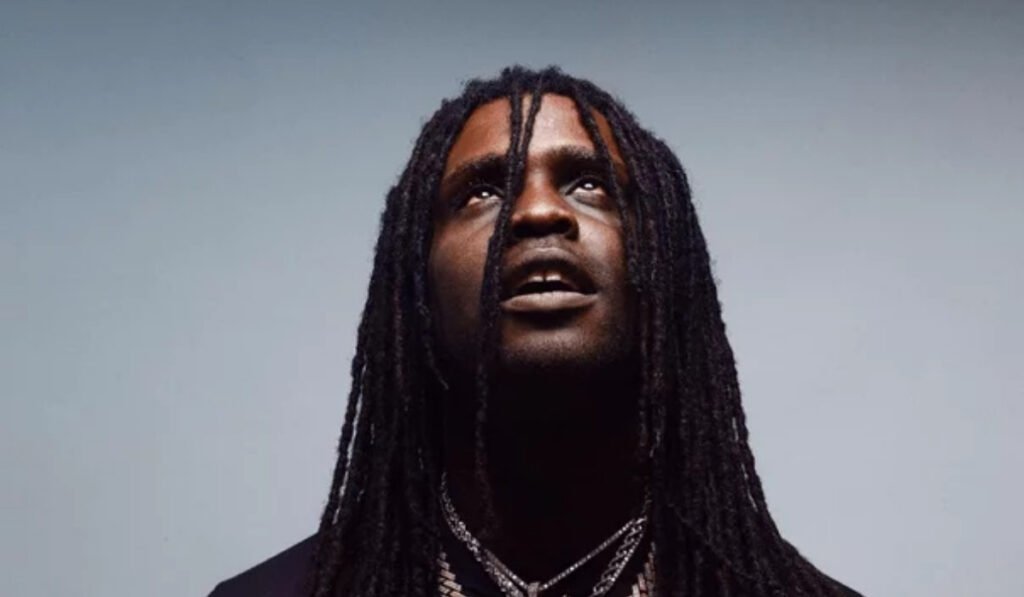
The global phenomenon known as drill music found its truest voice when chief keef began uploading raw, unpolished music videos to digital platforms. Characterized by menacing synthesizer beats, heavy basslines, and starkly realistic lyrics about street survival, this new sound diverged sharply from traditional party rap. Operating under house arrest as a teenager, he utilized the internet to bypass traditional gatekeepers entirely. This direct-to-consumer digital distribution model not only galvanized local youth culture but also laid the foundational framework for modern internet-driven rap movements that thrive on authenticity and speed.
Breakthrough with I Don’t Like
Local notoriety quickly transformed into international stardom when the anthem “I Don’t Like” dominated airwaves and digital streaming networks. The track’s stark intensity and infectious hook captured the collective imagination of underground hip hop enthusiasts before catching the ear of superstar Kanye West. West’s subsequent high-profile remix propelled chief keef straight out of regional obscurity and into the global spotlight. This breakout moment served as a vital cultural catalyst, proving that hyper-local street anthems recorded with minimal budgets could successfully conquer mainstream commercial charts through sheer viral momentum and raw power.
Major Label Signing and Interscope Records
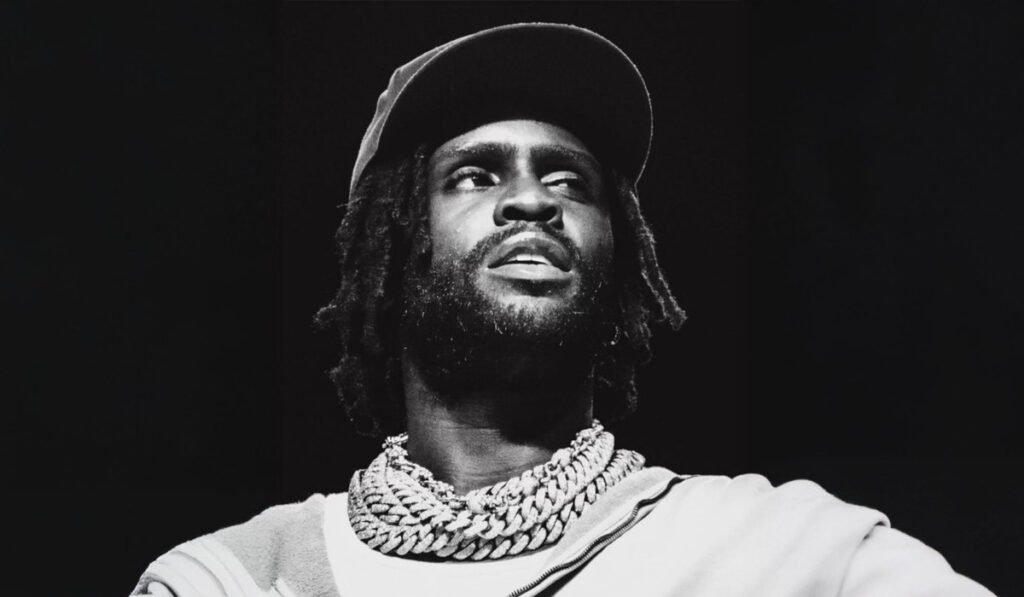
A fierce bidding war among top-tier record labels culminated when chief keef inked a lucrative multi-million dollar contract with Interscope Records. This agreement also granted him the autonomy to establish his own imprint, Glory Boyz Entertainment, giving him creative control to sign and foster other local talents. Entering the corporate music ecosystem as a teenager brought unique pressures, yet it allowed his raw artistic vision to reach commercial retail outlets globally. This partnership marked a historic transition, bridging the gap between gritty urban mixtapes and high-profile corporate backing in the American music industry.
The Release of Finally Rich
The arrival of the debut studio album, Finally Rich, solidified the commercial viability of the Chicago drill movement on a national scale. Featuring heavy-hitting guest appearances from iconic rap figures like 50 Cent, Wiz Khalifa, and Rick Ross, the project showcased the artistic versatility of chief keef. Anthems like “Love Sosa” became timeless cultural touchstones that dominated playlists and parties for decades. Despite receiving mixed initial reviews from traditional critics, the record ultimately attained platinum certification, proving that uncompromising street authenticity could triumph commercially without sacrificing its core aesthetic or message.
Artistic Evolution and Self-Production
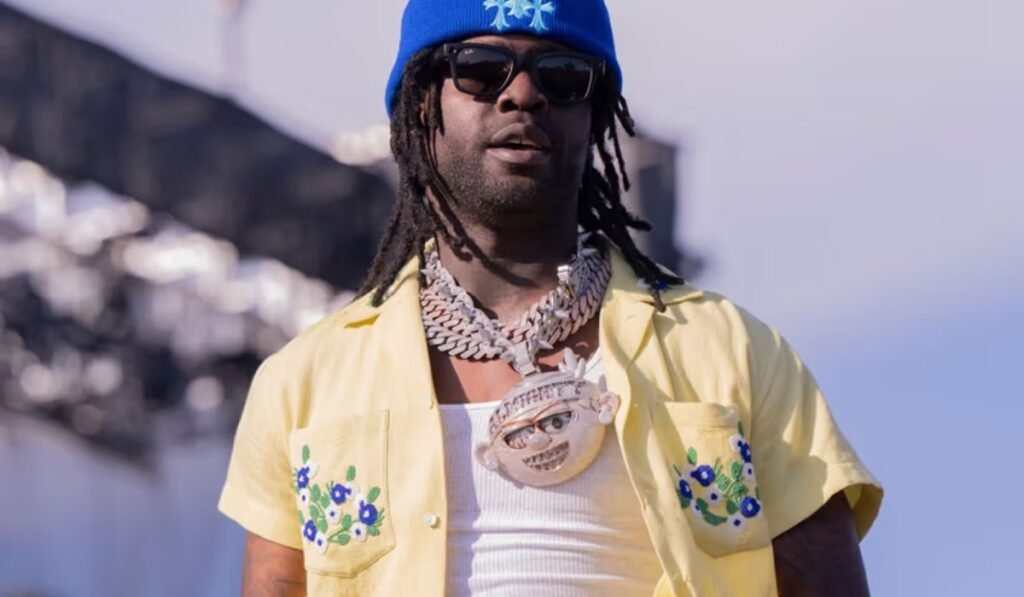
Moving past his initial major label era, chief keef embraced complete independence by taking charge of his own beat production and mixing. Mixtapes such as Back from the Dead 2 showcased his gritty, self-produced soundscapes that won immense critical praise from publications like Rolling Stone. By choosing to produce a vast majority of his own tracks, he demonstrated a deep technical understanding of audio engineering and rhythm. This self-sufficient approach allowed him to experiment freely with distorted bass and ambient melodies, further cementing his reputation as an innovative musical architect rather than a passing trend.
Launching Glo Gang and Entrepreneurship
Transitioning Glory Boyz Entertainment into Glo Gang, chief keef cultivated a distinct lifestyle brand encompassing fashion, graphic design, and cannabis culture. This independent collective functioned as a creative haven where visual artists, producers, and rappers collaborated without corporate interference. By building an autonomous business empire around his artistic identity, he demonstrated modern entrepreneurial acumen. Fans eagerly adopted the brand’s merchandise and aesthetic, transforming Glo Gang from a simple rap crew into a globally recognized symbol of independent creative freedom and youth counterculture.
Collaborations with Kanye West and Others
Working closely with industry titans like Kanye West introduced chief keef to experimental artistic circles that pushed creative boundaries. His unforgettable vocal contribution to the track “Hold My Liquor” on the critically acclaimed album Yeezus earned high praise from legendary rock icon Lou Reed. These unexpected cross-genre partnerships proved that his emotive, slurred delivery could seamlessly complement industrial and avant-garde soundscapes. Such collaborations expanded his artistic credibility far beyond standard gangsta rap confines, showcasing an ability to adapt to complex musical environments.
Ongoing Legal Challenges and Media Scrutiny
Navigating sudden fame at a tender age frequently placed chief keef at the center of intense legal controversies and intense media scrutiny. From weapons possession charges to performance bans imposed by local authorities, his tumultuous upbringing often overshadowed his musical milestones. Despite facing continuous institutional hurdles, public interest in his art never waned. Instead, these trials transformed him into a polarizing folk hero figure within youth culture, symbolizing resilience against systemic pressures while maintaining an uncompromised artistic persona throughout every public trial and tribulation.
Relocation to Los Angeles and Creative Rebirth
Leaving Chicago for the sunny expanse of Los Angeles marked a peaceful turning point in the personal and professional trajectory of chief keef. Away from the immediate stress of his hometown, he established a secluded creative compound focused entirely on continuous music production. This relocation sparked a prolific era characterized by a massive output of mixtapes and digital self-releases. Free from external pressures, he cultivated a legendary underground work ethic, recording thousands of unreleased songs that circulated widely among devoted internet fan communities and cemented his mythical status.
Influence on the Global Drill Wave
The ripple effects of the Chicago movement eventually crossed the Atlantic, inspiring vibrant drill scenes in London, New York, and Australia. Artists across the globe adopted the distinct rhythmic pacing, dark atmosphere, and vocal cadences originally popularized by chief keef. Producers in the UK paired his stylistic blueprint with local electronic dance influences to create a massive international subgenre. Consequently, his foundational aesthetic transcended regional American barriers to become the dominant global language of youth rebellion and street-level storytelling in contemporary popular music.
Mentorship and Supporting New Talent
Beyond maintaining his own prolific output, chief keef dedicated significant energy to mentoring younger rising stars in the hip hop community. By offering production assistance, guest verses, and collaborative platforms, he actively elevated peers and newcomers alike. Artists frequently cite his generosity and willingness to share creative knowledge as crucial factors in their own career developments. This collaborative spirit ensured that the underground ecosystem remained vibrant, proving that his impact extended far beyond solo success into active community building within the modern digital music landscape.
Continued Relevance through Digital Platforms
Adapting seamlessly to the shift toward streaming and social media, chief keef maintained a fiercely loyal fanbase without relying on traditional radio promotion. Platforms like YouTube, SoundCloud, and specialized streaming services served as direct pipelines to millions of dedicated listeners. His ability to sustain high monthly listener counts and viral traction entirely on his own terms demonstrated the power of digital independence. By treating the internet as a continuous canvas rather than a mere marketing tool, he secured permanent cultural relevance across multiple generations of rap enthusiasts.
Critical Re-evaluation of His Catalog
As years passed, music critics and cultural historians began to re-evaluate the extensive discography of chief keef with profound appreciation. Projects that were once dismissed as overly chaotic or experimental are now celebrated as visionary blueprints for contemporary cloud rap and emo rap. Scholars recognize his early use of auto-tune and distorted melodies as foundational elements that predated major shifts in mainstream popular music. This retrospective acclaim transformed his public perception from a controversial teenage novelty into an undisputed pioneer of modern sonic artistry.
Modern Ventures and the Launch of 43B
Expanding his corporate footprint beyond Glo Gang, chief keef launched a new independent label venture titled 43B, distributed through BMG. Standing for “Forget Everybody,” this new enterprise aimed to provide structured support and fair distribution models for independent artists. Through this initiative, he transitioned from a rebellious youth icon into a savvy executive capable of navigating the complex corporate music market. The label signing represented a mature phase in his career, highlighting long-term strategic vision alongside ongoing creative output in the industry.
The Triumph of Almighty So Two
The highly anticipated release of Almighty So 2 marked a triumphant milestone that showcased the refined musical maturity of chief keef. Years in the making, the album received widespread acclaim for its intricate production details, conceptual depth, and stellar guest features. It debuted successfully on major independent charts, proving that his core audience remained fiercely dedicated across decades. This critically praised project successfully bridged the gap between his nostalgic early drill aesthetic and his modern, experimental production techniques, satisfying both old-school purists and new listeners.
Influence on Successors Like Lil Uzi Vert and Juice WRLD
A myriad of superstar artists, including Lil Uzi Vert, Juice WRLD, and 21 Savage, openly acknowledge chief keef as their primary musical inspiration. His distinct blend of melodic vulnerability and aggressive bravado provided a template for the emo-rap and soundcloud-rap revolutions. When he collaborated with Lil Uzi Vert on charting tracks like “Bean (Kobe),” it symbolized a full-circle moment where the mentor inspired his direct successors. These connections demonstrate how deeply embedded his artistic DNA is within the fabric of modern youth music culture.
Cultural Icon Status and Enduring Legacy
Securing a permanent place in musical history, chief keef stands tall as an enduring cultural icon who changed how the world consumes rap. His journey from a Chicago teenager with a karaoke machine to a globally revered producer and executive is a testament to raw talent and digital-age independence. By remaining completely true to his artistic vision through every trial, he earned the ultimate respect of fans and peers alike. As new generations continue to discover his vast catalog, his revolutionary impact on popular culture remains as vibrant and influential as ever.
Final Reflections on a Musical Pioneer
Looking back at the extraordinary path forged by chief keef reveals a narrative defined by relentless innovation and cultural defiance. He shattered industry norms, invented an entire subgenre, and mastered independent music distribution long before it became standard practice. His ability to continuously reinvent his sound while keeping his signature edge intact guarantees his status as a permanent fixture in music history. To explore more about his life, career milestones, and comprehensive discography, visit this Chief Keef page.
FAQs
- Where was chief keef born and raised?
- He was born and raised in Chicago, Illinois, specifically growing up in the Washington Park neighborhood on the city’s South Side.
- What is the name of his debut studio album?
- His debut studio album is titled Finally Rich, which was released in December 2012 and featured hit singles like “Love Sosa”.
- What musical subgenre is he credited with popularizing?
- He is widely recognized as the primary pioneer and progenitor of the Chicago drill hip hop subgenre.
- What is the name of his independent record label?
- He founded his own imprint originally known as Glory Boyz Entertainment, which later evolved into Glo Gang and 43B.
- Which major artist helped launch him into mainstream fame?
- Kanye West helped launch him into mainstream stardom by remixing his breakout underground hit song “I Don’t Like”.
