

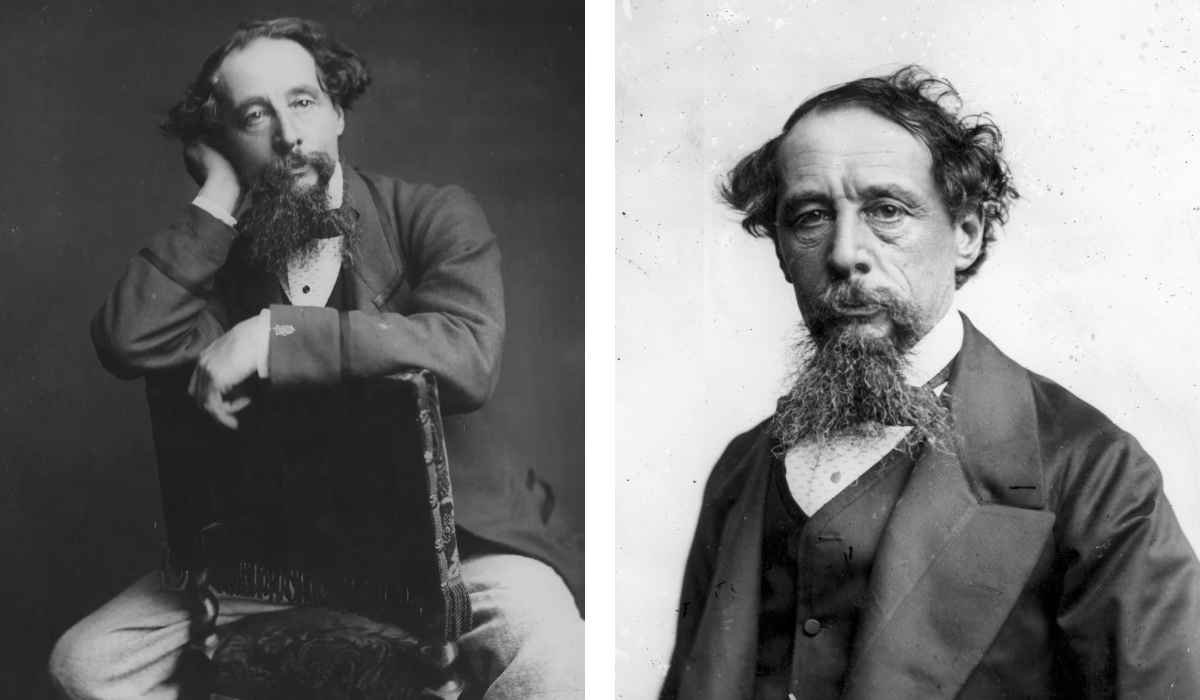
The landscape of Victorian literature, social reform, and narrative storytelling during the nineteenth century owes an immeasurable debt of gratitude to the brilliant literary genius of Charles Dickens, whose unforgettable characters completely transformed the global literary world. During a time when industrialization plunged the British working class into severe poverty and institutional neglect, this remarkable author rose to prominence with a voice rooted in empathetic observation, satirical wit, and unyielding social conscience. By exposing the harsh realities of Victorian society through gripping serial novels, he demonstrated that literature could be effectively harnessed to create powerful reform movements that revolutionized global publishing, social justice, and humanitarianism. His life remains a guiding light for anyone striving to fight inequality through storytelling.
Quick Bio Snapshot
- Full Name: Charles John Huffam Dickens
- Lifespan: February 7, 1812 – June 9, 1870
- Key Role: English novelist, journalist, and social commentator
- Major Achievement: Master novelist of the Victorian era who created iconic works like A Christmas Carol and Oliver Twist
Early Life and Childhood Hardships of Charles Dickens
The journey of Charles Dickens began in Portsmouth, England, where he was born into a family plagued by constant financial instability caused by his father’s extravagant spending. When his father was imprisoned for debt in the Marshalsea prison, young Charles Dickens was forced to leave school at age twelve to work long, grueling hours in a blacking factory pasting labels onto shoe polish bottles. This painful period of abandonment and poverty deeply scarred his sensitive inner world. These formative years planted the seeds of a lifelong sympathy for the oppressed and marginalized, laying the emotional foundation for his future literary career.
Journalistic Roots and Early Writing Success
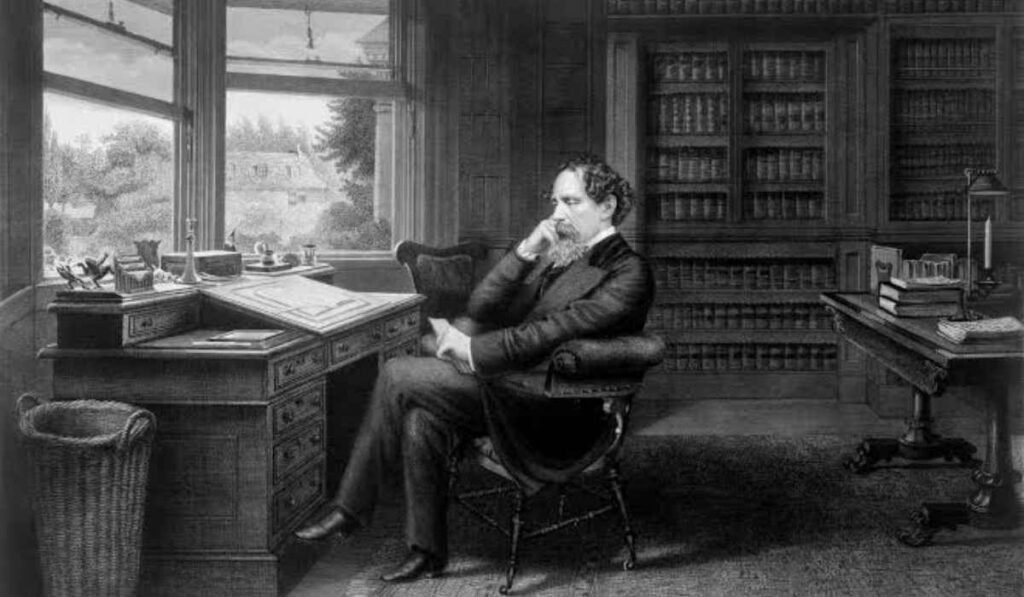
Professional development began when Charles Dickens worked as a freelance court stenographer and parliamentary journalist, riding stagecoaches across England to report on political debates. His sharp eye for human eccentricity and social hypocrisy inspired him to write witty sketches under the pen name “Boz” for London newspapers. Collecting these pieces into Sketches by Boz, he quickly captured public attention with his vivid descriptions of urban life. This early writing success launched his professional literary career, establishing Charles Dickens as a rising journalistic voice ready to expose the absurdities of Victorian bureaucracy.
The Phenomenal Success of The Pickwick Papers
Literary breakthrough arrived for Charles Dickens when he was commissioned to write serial installments for a humorous sporting club publication, resulting in The Pickwick Papers during 1836. Featuring the endearing, eccentric Samuel Pickwick and his comical companions, the monthly installments became an unprecedented publishing sensation across Great Britain. Readers lined up eagerly at bookshops for the next chapter. This meteoric rise transformed Charles Dickens from an obscure parliamentary reporter into an international celebrity, sparking a mass readership culture centered around serialized fiction.
Exposing Social Injustices through Oliver Twist
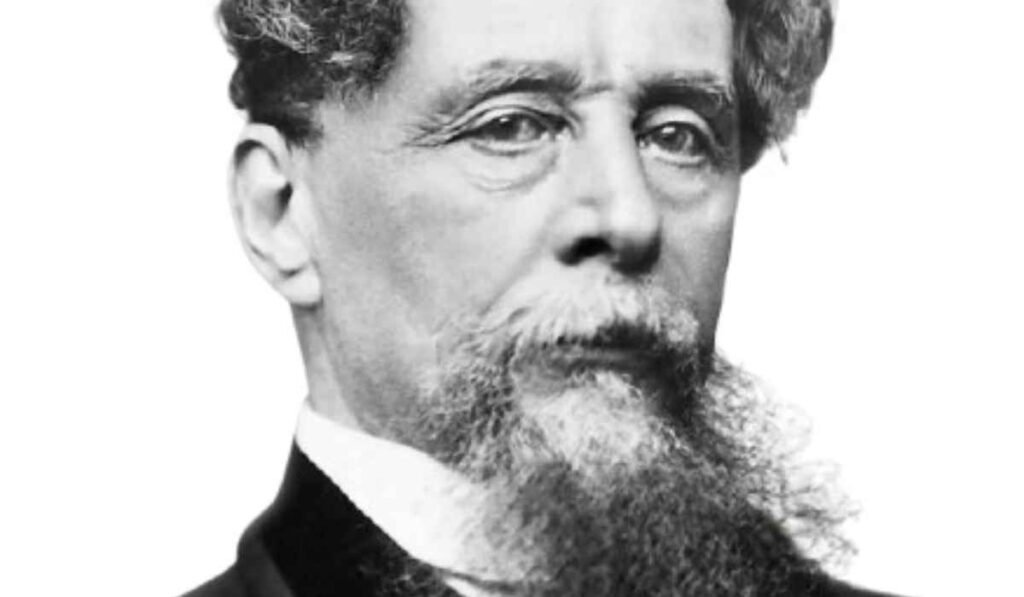
Challenging Victorian indifference toward child labor and workhouse abuse, Charles Dickens published his second novel, Oliver Twist, in 1838, shocking society with its stark depiction of criminal underworlds and institutional cruelty. Through the unforgettable journey of an orphan boy asking for more food, he brought the plight of destitute children directly into middle-class drawing rooms. Despite critics who accused him of sensationalism, his powerful narrative exposed systemic failures. The publication secured the status of Charles Dickens as a fearless social reformer using his literary platform to demand humanitarian change.
Masterpieces of Social Critique: David Copperfield and Bleak House
Expanding artistic horizons took Charles Dickens into deeply autobiographical and structurally complex territory with masterpieces like David Copperfield and Bleak House during the mid-nineteenth century. Blending dark satire with rich emotional depth, he targeted corrupt legal systems, class snobbery, and educational neglect through unforgettable characters like the unctuous Uriah Heep and the endlessly delayed court case of Jarndyce and Jarndyce. This critical acclaim proved that Charles Dickens possessed an extraordinary capacity to combine thrilling entertainment with profound philosophical critique.
Inventing the Modern Christmas Spirit with A Christmas Carol
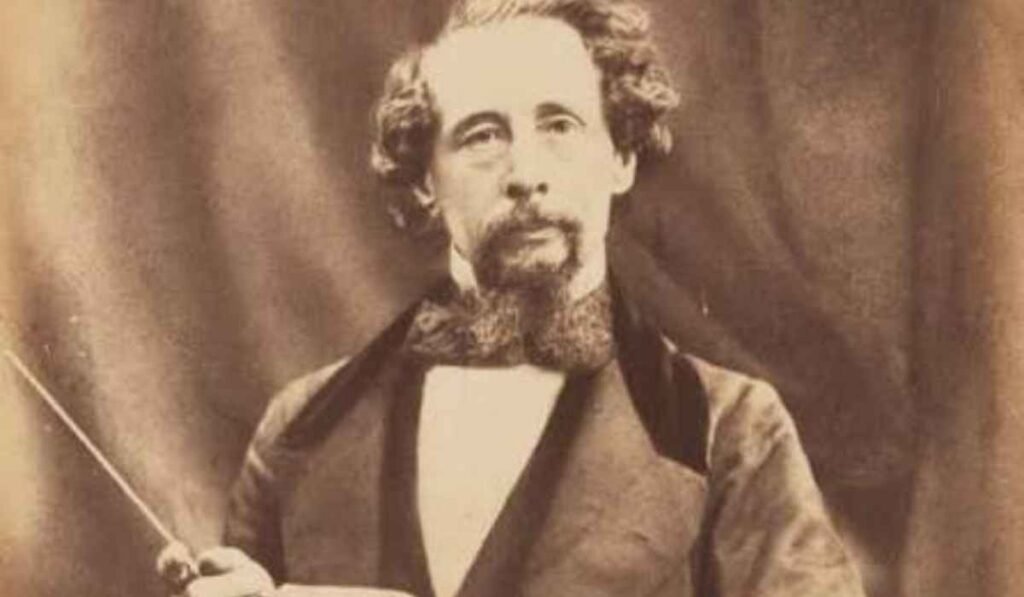
Cultural permanence was achieved when Charles Dickens published his beloved novella A Christmas Carol in 1843, single-handedly reviving and reshaping how the modern world celebrates the holiday season. Through the redemptive transformation of the miserly Ebenezer Scrooge by ghostly visitations, he championed charity, empathy, and community goodwill over greed. The instant commercial and emotional success of the book touched millions worldwide. This holiday classic proved that the storytelling genius of Charles Dickens could alter cultural traditions across generations.
Public Readings and Global Celebrity Tours
Commanding international attention through his theatrical public readings of his own works, Charles Dickens evolved into one of the most recognizable global celebrities of the Victorian era. Traveling extensively across Great Britain and the United States, he performed dramatic excerpts from his novels before thousands of screaming, adoring fans, bringing his characters to life with astonishing vocal mimicry. However, this grueling touring schedule took a severe toll on his physical health. The timeless cultural legacy of Charles Dickens continued to expand as his public persona grew larger than life.
Work Ethic and Journalistic Dedication
Exerting exceptional levels of professional dedication, Charles Dickens edited weekly literary magazines like Household Words and All the Year Round while simultaneously writing massive, complex novels in monthly serial installments. His obsessive writing routine and relentless editorial oversight set an unmatched historical benchmark for literary productivity. Whether investigating London slums or editing poetry, Charles Dickens viewed writing as an urgent moral duty, instilling a professional standard that remains a gold standard for authors across the globe.
The Declining Health and Passing of Charles Dickens
The earthly journey of Charles Dickens drew to a close on June 9, 1870, when a massive stroke claimed his life at his Gad’s Hill Place estate in Kent, England, at the age of fifty-eight. News of his passing plunged the British Empire and the global literary community into an immediate state of national mourning and profound grief. In accordance with public reverence, he was laid to rest in the Poets’ Corner of Westminster Abbey rather than his requested private burial. The peaceful passing of Charles Dickens transformed him into an immortalized literary myth, sealing his place among the greatest novelists in human history.
Global Mourning and Tributes to a Literary Titan
Witnessing the unprecedented wave of public mourning following his passing revealed the profound emotional connection that Charles Dickens held with ordinary readers worldwide whose lives he had touched through his stories. Newspapers printed black-bordered tributes, and ordinary citizens wept in the streets of London. The monumental memorial tributes organized across nations drew fans worldwide, all united in grief. This collective outpouring demonstrated that Charles Dickens was not just a novelist, but a globally cherished champion of the common working person.
Cultural Impact and Global Legacy
Decades after his death, the cultural impact of Charles Dickens remains vividly alive in global memory, theatrical adaptations, cinematic films, and literary societies established in his name. Museums dedicated to his London home continue to educate visitors about Victorian history worldwide. The narrative blueprint left by his career changed how modern authors approach character development, serial plotting, and social commentary. His enduring message reminds humanity that true artistic greatness requires moral purpose, boundless empathy, and an unshakeable connection to the human soul.
Modern Relevance and Timeless Humanitarian Teachings
Contemporary activists and novelists frequently look back to the social conscience of Charles Dickens for inspiration when confronting modern economic inequality, corporate greed, and systemic neglect. As new generations discover his classic novels through digital publishing and film adaptations, the relevance demonstrated by his career provides a reliable roadmap for using art as a vehicle for social change. Honoring his memory requires more than nostalgic remembrance; it demands active participation in philanthropy, educational advocacy, and defending the vulnerable just as he did throughout his extraordinary life.
Inspiring Future Generations of Global Writers
The ongoing realization of the literary ideals championed by Charles Dickens rests heavily upon the shoulders of emerging authors, journalists, and creators across the globe. Literary academies continually introduce young minds to his timeless plots, ensuring that the foundational values of descriptive brilliance and social justice are passed down. Each individual who chooses empathetic storytelling over indifference helps fulfill the vision once embodied by his serialized magazine publications. The journey toward literary evolution is continuous, requiring constant dedication and creativity from everyone who shares his passion for narrative.
Commemoration and Reflection on His Life
Annual observances dedicated to the memory of Charles Dickens serve as important moments for international self-reflection, encouraging readers and writers to engage in charitable giving and literary appreciation. These traditions keep the spirit of Victorian literature alive, transforming historical remembrance into a living movement of active cultural contribution. Through these collective efforts, his legacy transcends the history books, manifesting daily in holiday celebrations, social reform programs, and classic literature curricula operating across the globe.
Conclusion: The Eternal Spirit of Victorian Storytelling
Ultimately, the profound impact of Charles Dickens defies simple categorization, representing a permanent shift in how humanity values narrative fiction, social reform, and empathetic storytelling. His unwavering faith in human redemption and the power of the written word continues to inspire millions across cultural, geographic, and generational divides. As long as people strive for literary enjoyment, social justice, and timeless storytelling, the visionary spirit embodied by Charles Dickens will forever illuminate the path toward a brighter, more compassionate future for all mankind.
Frequently Asked Questions
- Where was Charles Dickens born?
- He was born in Portsmouth, England, on February 7, 1812.
- What painful childhood experience deeply influenced his writing?
- He was forced to work in a blacking factory as a child while his father was imprisoned for debt.
- Which famous novella did he publish in 1843 to popularize holiday charity?
- He wrote A Christmas Carol, featuring Ebenezer Scrooge.
- What pen name did he initially use for his early journalistic sketches?
- He published his early humorous sketches under the pseudonym “Boz.”
- Where is Charles Dickens buried?
- He is entombed in the Poets’ Corner of Westminster Abbey in London.
