

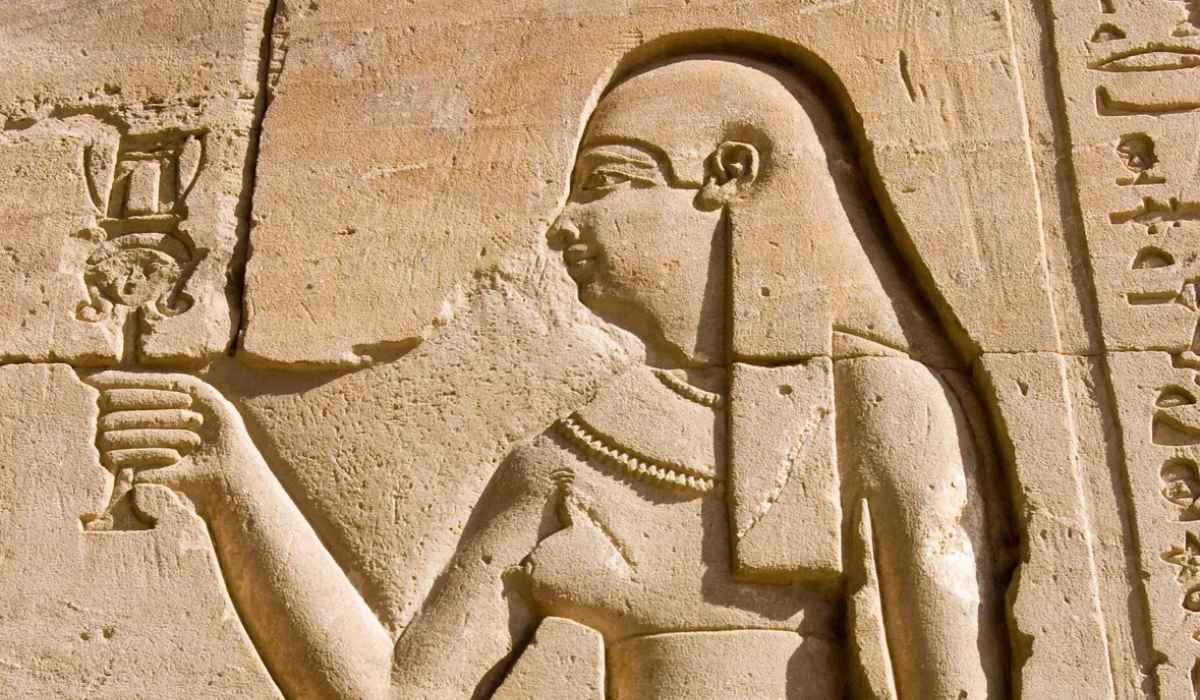
The landscape of ancient Mediterranean politics, imperial diplomacy, and classical royalty during the Hellenistic period owes an immeasurable debt of gratitude to the brilliant sovereign intellect of Cleopatra, whose strategic governance completely transformed the geopolitical reality of the ancient world. During a time when the aggressive expansion of the Roman Republic threatened to swallow all surrounding kingdoms, this remarkable queen rose to prominence with a mind rooted in sharp political acumen, multilingual mastery, and unyielding royal ambition.
By forging crucial alliances with the most powerful Roman leaders of her era, she demonstrated that sovereign diplomacy could be effectively harnessed to preserve an ancient empire against overwhelming imperial pressure. Her life remains a guiding light for anyone studying the complex dynamics of leadership and power.
Quick Bio Snapshot
- Full Name: Cleopatra VII Philopator
- Lifespan: 69 BC – August 30 BC
- Key Role: Queen of the Ptolemaic Kingdom of Egypt
- Major Achievement: Preserved Egyptian sovereignty and formed legendary political alliances with Julius Caesar and Mark Antony
Early Life and Royal Heritage of Cleopatra
The journey of Cleopatra began in Alexandria, Egypt, where she was born into the wealthy ruling house of the Ptolemaic dynasty, which had governed the region since the death of Alexander the Great. Growing up within a sophisticated royal court immersed in Greek culture, she received an elite classical education that set her apart from her predecessors. Unlike earlier members of her dynasty who only spoke Greek, Cleopatra mastered multiple languages, famously learning the native Egyptian tongue to better communicate with her subjects. These formative years planted the seeds of a brilliant political mind, laying a strong foundation for her extraordinary rise to the throne.
Accession to the Throne and Early Power Struggles

Political survival became an immediate necessity when Cleopatra inherited the joint throne of Egypt alongside her younger brother, Ptolemy XIII, following the death of their father in 51 BC. Thrust into a volatile court environment dominated by ambitious royal advisors, she quickly faced intense factional rivalries that sought to strip her of absolute authority. Forced temporarily into exile in Syria, she refused to accept defeat and began gathering military support. This crisis tested the resilience of Cleopatra, proving that her royal ambition and tactical resourcefulness were far superior to those of her domestic political rivals.
The Legendary Meeting with Julius Caesar
Strategic brilliance characterized the daring return orchestrated by Cleopatra when Roman general Julius Caesar arrived in Alexandria in pursuit of his rival Pompey. Utilizing legendary resourcefulness to bypass palace guards, she managed a private audience with the Roman dictator, securing his immediate political and military backing against her domestic enemies. This high-stakes alliance quickly blossomed into a powerful political and romantic partnership that restored her absolute control over Egypt. The diplomatic triumph achieved by Cleopatra secured her position as the undisputed sovereign of the Nile.
Co-Ruling Egypt and the Birth of Caesarion
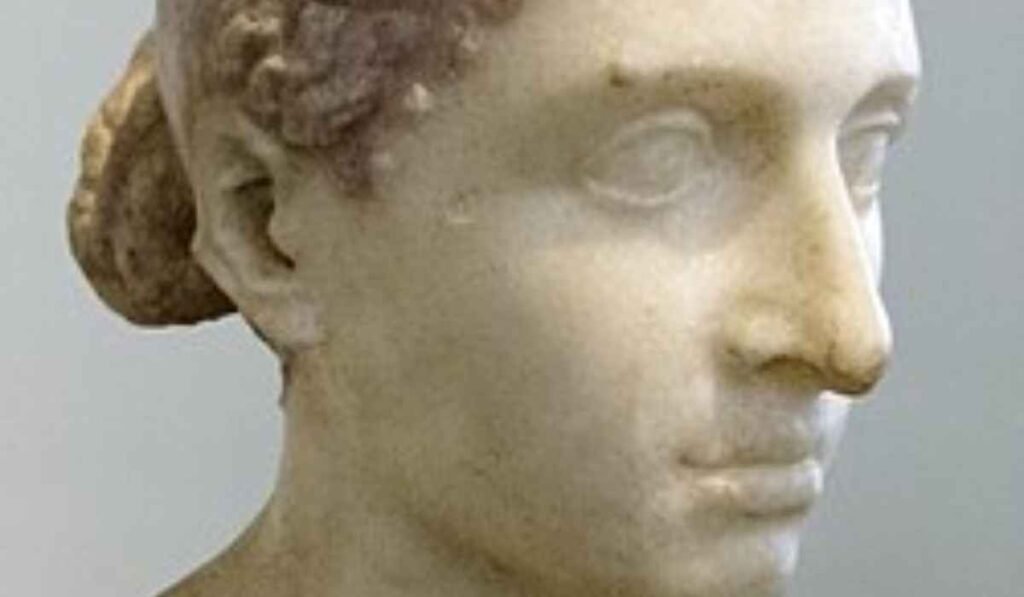
Consolidating her imperial power, Cleopatra maintained firm administrative control over Egypt while navigating the complex expectations of Roman hegemony. Following the defeat of her opposing brotherly faction, she married a younger brother in accordance with dynastic customs while continuing her close political alignment with Julius Caesar. During this prosperous period, she gave birth to a son named Ptolemy Caesar, known popularly as Caesarion, whom she believed would inherit both Egyptian and Roman leadership. This motherhood reinforced the dynastic security carefully engineered by Cleopatra.
Tragedy in Rome and the Assassination of Caesar
Political stability suffered a catastrophic blow when Cleopatra was visiting Rome with young Caesarion as guest of Julius Caesar, only to witness the brutal assassination of the Roman dictator on the Ides of March in 44 BC. Realizing her personal safety and political security were severely compromised within a hostile Roman senate, she fled back to Alexandria with her infant son. The sudden loss of her primary Roman ally threatened the sovereignty of her kingdom. Nonetheless, Cleopatra maintained her composure, immediately beginning plans to secure new partnerships within the shifting Roman civil war landscape.
The Fateful Meeting with Mark Antony in Tarsus
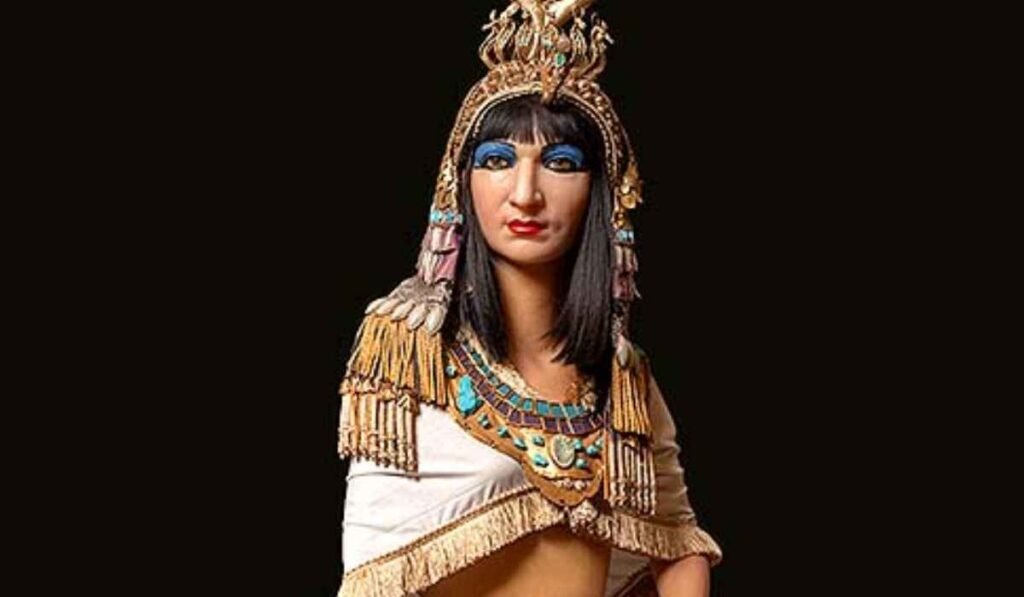
Diplomatic genius reached an absolute pinnacle when Cleopatra traveled in breathtaking royal splendor up the Cydnus River to Tarsus in 41 BC to meet Mark Antony, one of the triumvirs ruling Rome. Arriving on a magnificent barge adorned with silk sails and attended by costumed handmaidens portraying mythical deities, she captivated the powerful Roman general completely. This theatrical encounter transformed into a deeply passionate alliance that combined Roman military might with Egyptian financial wealth. The strategic partnership forged by Cleopatra protected Egyptian borders and yielded three children together.
The Donations of Antioch and Imperial Expansion
Expanding geographical influence characterized the peak years of the reign of Cleopatra, who successfully negotiated with Mark Antony to regain vast territories previously controlled by Egypt, including parts of Phoenicia, Cyprus, and parts of the Levant. During lavish public ceremonies known as the Donations of Alexandria, Antony distributed kingdoms to her children, cementing her status as an imperial empress of the Mediterranean east. This territorial expansion demonstrated that Cleopatra had successfully elevated Egypt back to its former glory as a dominant regional superpower.
Conflict with Octavian and the Propagandistic War
Geopolitical tensions escalated dramatically as Octavian, the ambitious rival of Mark Antony in Rome, utilized misogynistic propaganda to paint Cleopatra as an eastern temptress who had bewitched a Roman citizen. Octavian successfully turned the Roman Senate against her, declaring war not on Antony, but officially against the Queen of Egypt. Facing an impending naval showdown, Cleopatra committed her massive financial reserves and warships to the upcoming conflict. This looming existential threat tested the ultimate defensive strategies of Cleopatra.
The Naval Disaster at the Battle of Actium
Military catastrophe struck during the decisive Battle of Actium in 31 BC, where the combined naval fleets of Cleopatra and Mark Antony faced Octavian’s superior tactical forces led by Agrippa. As the sea battle turned against them, her squadron broke through the blockade, and Antony followed her flagship back to Egypt in a desperate retreat. Although the military defeat shattered their offensive capabilities, Cleopatra immediately began fortifying Alexandria and preparing diplomatic alternatives to save her kingdom from total Roman annexation.
The Final Defense of Alexandria
Defiant resistance marked the final months of the reign of Cleopatra as Octavian’s victorious legions advanced inexorably toward the gates of Alexandria in 30 BC. Refusing to surrender without a fight, she oversaw preparations to defend her capital city while attempting to negotiate favorable terms for her children’s future survival. When false rumors reached Mark Antony that she had already taken her own life, he fatally stabbed himself, dying in the arms of Cleopatra inside her royal mausoleum. This tragic climax tested the emotional strength of Cleopatra to its absolute limit.
The Declining Health and Passing of Cleopatra
The earthly journey of Cleopatra drew to a close on August 30, 30 BC, when she took her own life following the conquest of Alexandria by Octavian, who intended to parade her through Rome as a captive. Utilizing the venom of an asp or toxic ointment smuggled into her chambers, Cleopatra chose death over dishonorable captivity at the age of thirty-nine. News of her passing plunged the ancient world into profound shock and marked the definitive end of the Ptolemaic dynasty. The legendary passing of Cleopatra transformed her into an immortalized historical myth, sealing her place among the most celebrated queens in human history.
Global Mourning and Tributes to a Sovereign Legend
Witnessing the aftermath of her passing revealed the immense historical impact that Cleopatra held over both her Egyptian subjects and her Roman conquerors, who granted her an honorable burial beside Mark Antony. Roman historians chronicled her intelligence, linguistic gifts, and commanding personal presence with grudging admiration. Monumental artistic depictions and literary works created across centuries cemented her larger-than-life persona. This collective global fascination demonstrated that Cleopatra was not just a monarch, but a globally cherished and feared architect of ancient statecraft.
Cultural Impact and Global Legacy
Decades after her death, the cultural impact of Cleopatra remains vividly alive in global memory, theatrical plays, cinematic films, and classical literature. Museums and archaeological expeditions dedicated to uncovering her lost palace and royal tomb in Alexandria continue to captivate scholars worldwide. The leadership blueprint left by her reign changed how modern societies analyze female political authority, diplomacy, and sovereign resilience. Her enduring message reminds humanity that true political survival requires strategic brilliance, relentless courage, and an unshakeable commitment to protecting one’s people.
Modern Relevance and Timeless Leadership Teachings
Contemporary historians and political analysts frequently look back to the diplomatic model of Cleopatra for inspiration when navigating complex international relations, gender politics, and crisis management. As new generations re-evaluate ancient historical narratives, the tenacity demonstrated by her career provides a reliable roadmap for female empowerment and leadership excellence. Honoring her memory requires more than nostalgic remembrance; it demands active critical analysis of classical history and defending the true complexity of her sovereign achievements just as her historical records reveal.
Inspiring Future Generations of Global Scholars
The ongoing realization of the intellectual ideals championed by Cleopatra rests heavily upon the shoulders of emerging scholars, archaeologists, and historians across the globe. Educational institutions continually introduce young minds to her multilingual achievements and political strategies, ensuring that the foundational values of education and leadership are passed down. Each individual who studies her sophisticated governance helps fulfill the historical curiosity once embodied by her Alexandrian library patronage. The journey toward understanding ancient civilizations is continuous, requiring constant dedication and intellectual rigor from everyone who shares an interest in history.
Commemoration and Reflection on Her Life
Annual observances and historical exhibitions dedicated to the memory of Cleopatra serve as important moments for international self-reflection, encouraging students and scholars to engage in classical history education and archaeological discovery. These traditions keep the spirit of ancient Egypt alive, transforming archival remembrance into a living movement of active academic contribution. Through these collective efforts, her legacy transcends the history books, manifesting daily in museum galleries, historical documentaries, and classical literature curricula operating around the world.
Conclusion: The Eternal Spirit of Ancient Royalty
Ultimately, the profound impact of Cleopatra defies simple categorization, representing a permanent shift in how humanity structures political alliances, diplomatic negotiations, and sovereign leadership. Her unwavering faith in her royal destiny and the power of intellectual diplomacy continues to fascinate millions across cultural, geographic, and generational divides. As long as people strive for political astuteness, historical understanding, and inspiring leadership, the visionary spirit embodied by Cleopatra will forever illuminate the path toward understanding the complex architecture of ancient civilization.
Frequently Asked Questions
- What was the official dynastic title and numbering of Cleopatra?
- She was officially known as Cleopatra VII Philopator, queen of the Ptolemaic Kingdom.
- How many languages was Cleopatra reportedly able to speak?
- She mastered multiple languages and was the only Ptolemaic ruler to learn native Egyptian.
- Which two famous Roman leaders formed alliances with Cleopatra?
- She formed powerful political and romantic partnerships with Julius Caesar and Mark Antony.
- In what year did Cleopatra pass away?
- She died by suicide in August 30 BC following the defeat of her forces by Octavian.
- Where did Cleopatra establish her royal capital and seat of government?
- She ruled from the magnificent Mediterranean port city of Alexandria, Egypt.
